Smoked tea aficionados – who have been known to panic when their supply runs out – know that nothing else can match the powerful aromas of this blend from China, even if the Chinese themselves wouldn’t dream of drinking it. When you smell it, you could swear you were in the fireplace itself, it’s so intense. The most famous of these smoked teas is Lapsang Souchong. For some obscure reason, a molecule called anthraquinone has got up the European Union’s nose. So, from time to time, we have to approach new producers from various countries to ask them to test smoking processes using different types of wood, in this case pine needles.
Soothing, just like tea!
The purpose of this blog is to tell you all about Camellia sinensis, not about the monuments, however impressive, that a tea researcher might encounter on their travels. And yet, as I stood in front of the Golden Temple in Amritsar, in the silence and stillness, entranced by the lights, the gold and the shimmering evening light, I felt a deep sense of fulfillment. I was completely at peace, despite the crowds. Serenity. Time stood still. I felt transported. Opportunity, happiness – a gift. These were my thoughts as I felt compelled to stop and take in my surroundings. I sat down and contemplated the reflections on the water. It seemed to me that this liquid element, this precious material, this gold, corresponded to what I feel when I drink a cup of tea. Something rare, unique and delicate. A call to peace, tranquility and harmony. When I drink tea, I close my eyes, and what I see is beautiful, radiant and soothing, just like the Golden Temple.
A special moment
When I visit a tea producer, I try to take a few samples for them to try. Most farmers don’t travel. They spend the whole year on their plantation and have very few opportunities to taste teas other than their own. I think it’s important to give them a chance to try other teas, not in order to imitate them, but to inspire them and connect them with other tea producers who are proud of what they make. These tea tastings, like here in Satemwa in South Africa, are very special to me.
A quality harvest
Tea doesn’t harvest itself. It’s important to me to highlight the work of the people who pick the buds and the next two leaves from each shoot that make up a quality plucking. This delicate work, still done by hand in many countries, is particularly important because it is impossible to produce a good tea if the leaves are not picked carefully enough in the first place.
Trees that speak to us
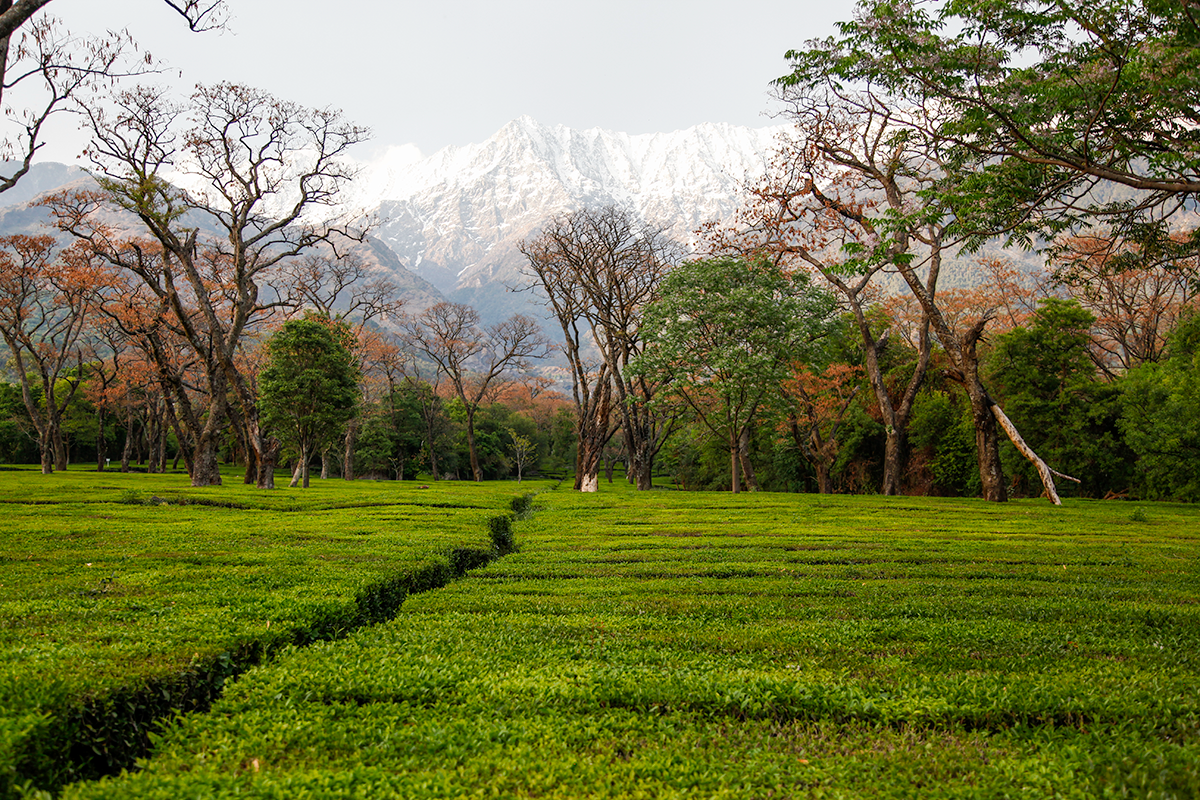
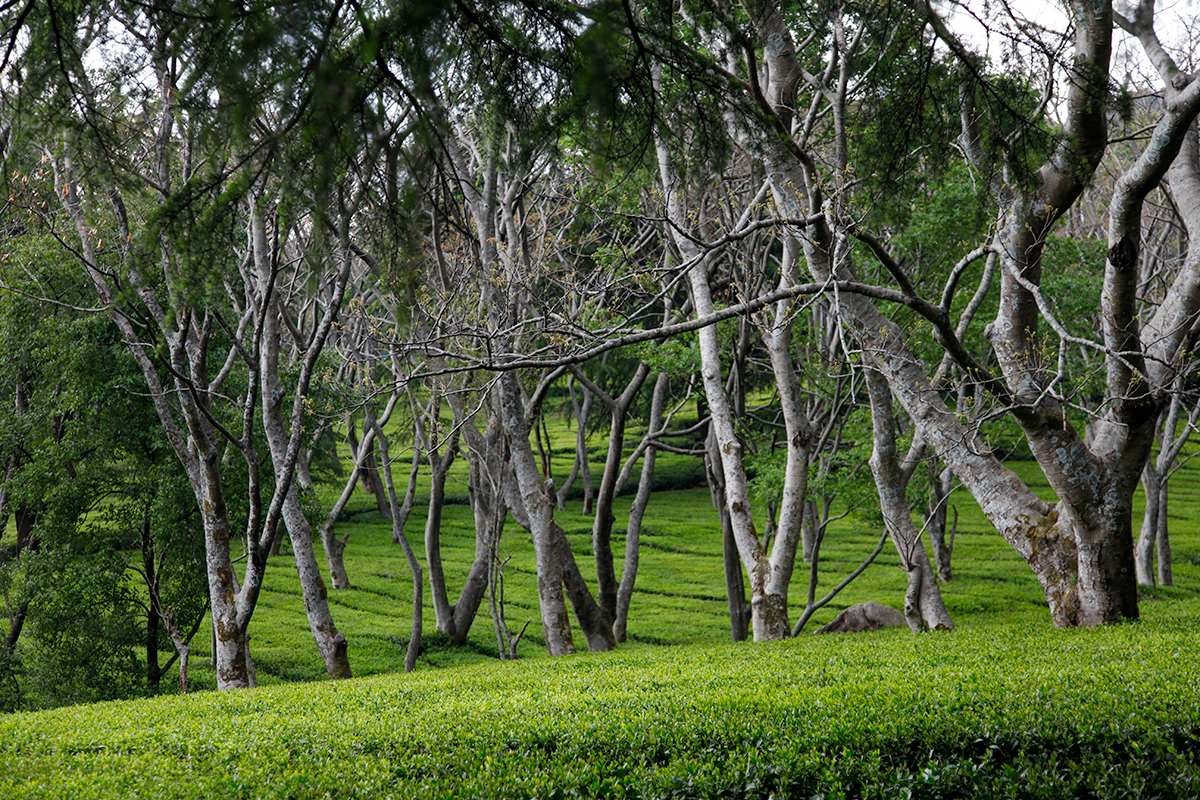
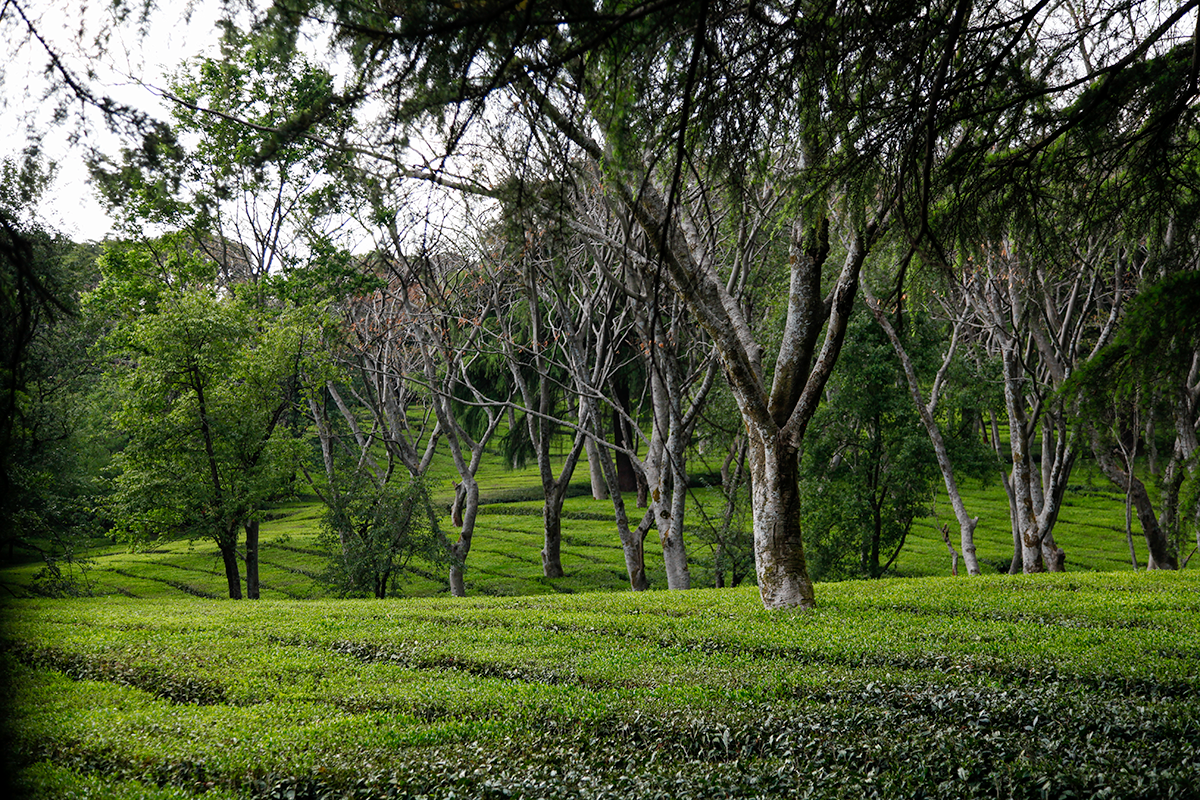
At a time when we don’t have a clear view of what’s going on in Darjeeling, where the plantations have been suffering for many years from a crisis that we would like to see end, I am travelling through other tea-growing areas of northern India. “Nature is a temple where living pillars let sometimes emerge confused words,” wrote Charles Baudelaire. And here, in the Kangra Valley, who wouldn’t feel its presence? Look how these trees watch us with a familiar gaze! I don’t know if you can hear them. They speak to me.
A photo reveals
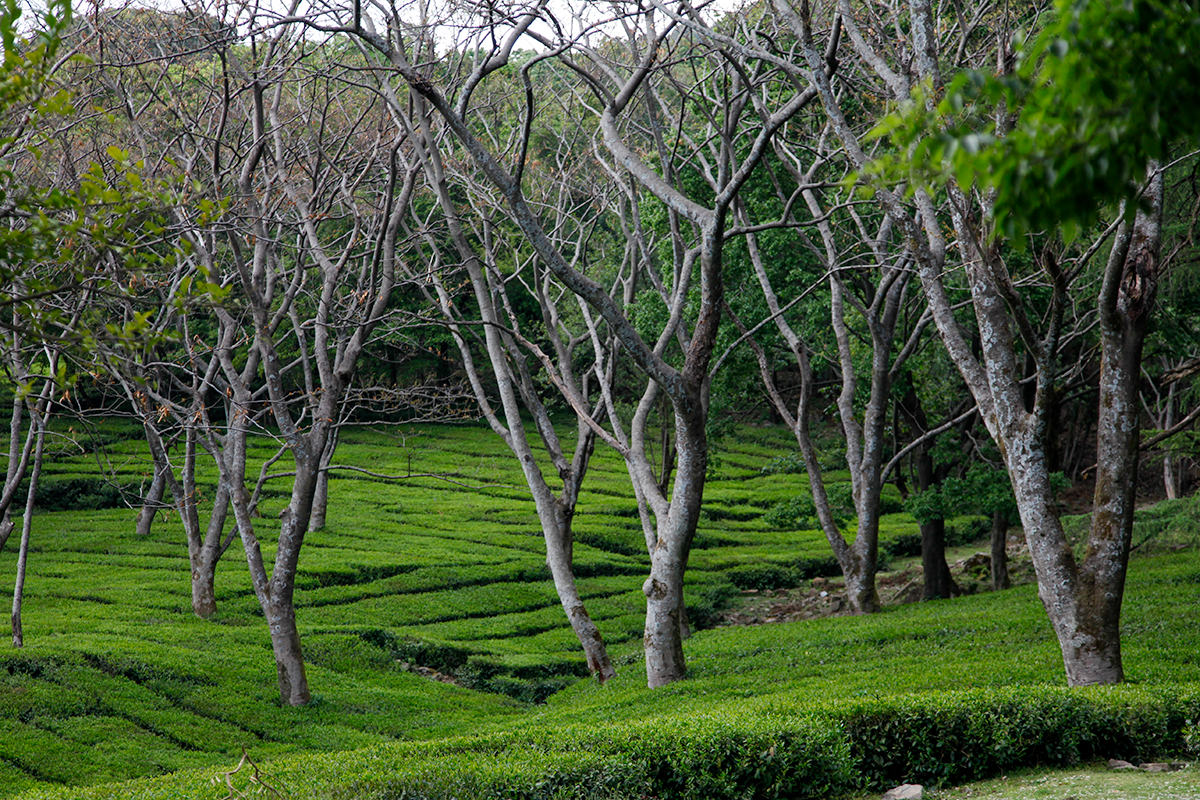
Sometimes a photo poses a question. When the shutter is released, the photographer – on the other side of the lens, camera in hand – may not be aware of anything. They are absorbed in their subject, waiting for the right light, adjusting the framing, shutter speed and depth of field. It’s only when they see the photo on a computer screen that things are revealed. Here, for example, I can see the absence of trees. I didn’t notice at the time. How is that possible? And how is it possible to deforest in this way, to farm so intensively on such low hills?
But what I’m really struck by here is the mystery of photography, which sometimes works in two stages. First, it’s a response to appealing shapes and colours. Then there’s something deeper, which reveals itself afterwards.
Wild and tamed nature
This photo is a beautiful sight, in my humble opinion. Tea bushes grow amid dense vegetation. A rugged, sloping landscape, numerous trees of different species… There’s a harmony between the cultivated plants and wild nature. It’s easy to imagine the wealth of flora and fauna to be found in such a diverse environment. For the amateur photographer in me, there’s pretty much only one colour – at first glance. On closer inspection, what a multitude, what variety! What better way to celebrate spring than with this abundance of greens?
The cuttings nursery
To make good tea, you need to know your tea bushes well. It’s a lot easier if you’ve tended them yourself from a young age. Many plantations – like this one in Satemwa, Malawi – take their own cuttings and then grow them in a nursery for eighteen months. Shaded to protect them from too much sun and too little humidity, the cuttings develop their root systems. Later, the young tea plants are planted out in the ground and begin their adult lives. Then it’s time to harvest the shoots, which are few and far between in the early seasons, but become more abundant as the bushes develop and branch out.
The Lion Dance in Hong Kong
In Hong Kong, the Lion Dance is performed at New Year, when the animal is paraded through the streets and shopping centers of the island. It plucks the “greens” (represented by fruit or vegetables) hung out for it in the doorway of each shop, then “spits them out” one by one while keeping hold of the associated envelope. The latter contains money for the dancers who animate the lion’s body. The shopkeepers don’t hand over their money in vain: the custom is believed to bring good luck. No doubt their business will flourish after this auspicious gesture.
A tea researcher named Léo!
“Ever since I was young, tea has been a part of my life, although I didn’t attach any particular importance to it. Everything changed on my 14th birthday, when a cup of Oolong, a Tie Guan Yin from Anxi, captivated my senses with its freshness and lily scent. It sparked a passion that only grew from there.
As the adult world began to take shape before me, I wondered about my future. I was irresistibly drawn to tea, and at the same time my desire to explore the world led me to dream of distant horizons. Why not combine the two? After looking into it, I came across a blog written by François-Xavier Delmas, who had the unusual job of tea researcher.
I decided to contact him for advice. I should say that throughout my high school years, I spent my pocket money on fine teas at the Palais des Thés shop in Rennes. I tasted everything I could; every moment was an opportunity to explore the world of tea. I wanted to make a living from my passion.
After my exams, I started business school, but six months into the course I did an internship in the Brittany shop, which confirmed my desire to work with tea. I was impatient to get started so, encouraged by those around me, I quit my studies and went abroad to deepen my knowledge and gain practical experience.
Before I left, I told François-Xavier about my plans. When he saw that I was still as determined as ever to do this job after all those years, he decided to help me, and suggested various factories where I could work and learn.
I spent a year immersed in plantation life in a dozen countries, learning hands-on alongside the growers.
On my return, François-Xavier offered me the opportunity to turn my passion into a career. So I became a tea researcher, driven by my enthusiasm and determination, and the invaluable support of those who believed in me.”