Wonderful encounters

24 October 2025
previous arrow
next arrow
Slider

In Bhutan, most tea comes in the form of dreadful tea bags filled with broken tea leaves. Another option is butter tea, which has an unappetising name but is an interesting drink. It dates back to the time of the caravans, when tea was transported from Tibet on the backs of yaks. It reveals animal notes when brewed. At least this tea tells a story.

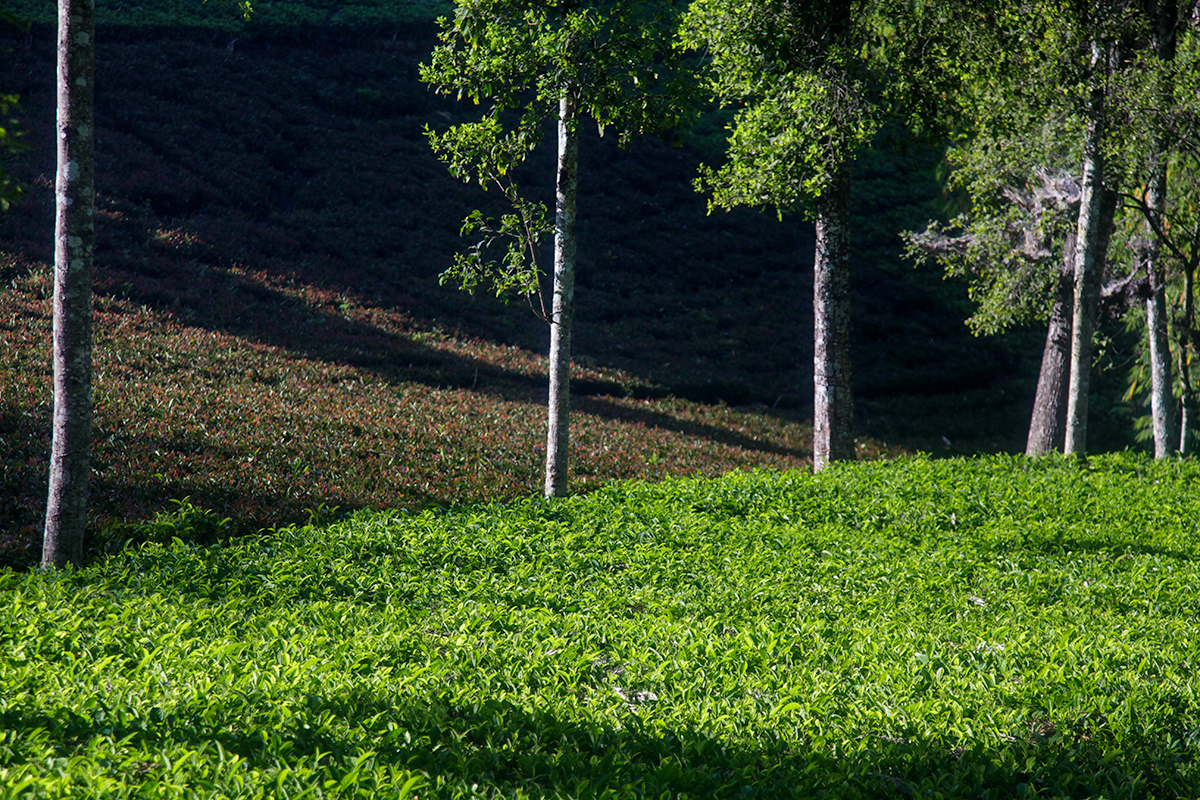
In Bhutan, almost nobody knows that tea doesn’t always come from elsewhere and that it is also grown in the Trongsa district in the centre of the country. To reach it, you cross a mountain pass at over 3,000 metres, traverse rice fields and stop for a break outside stunning monasteries. If the opportunity arises, you can have tea with the monks.

Sometimes, you get your hopes up for nothing. You hear about a famous tea and, after driving for hours to meet the producer, discover that she makes a concoction from rowan leaves and other plants with no trace of Camellia sinensis. Had I forgotten to tell my contacts that I meant tea in the strict sense of the word? Sometimes we get carried away and overlook the essentials. Still, when travelling, detours are as important as the destination… They lead to wonderful encounters.

(To be continued.)

Share on Facebook. Tweet this!

In search of remarkable teas

17 October 2025
previous arrow
next arrow
Slider

Throughout my travels as a tea researcher, I have often set out on a trip not knowing if I would discover an exceptional tea or if my efforts would be rewarded. Bhutan is one such place. I also look for people who are committed to responsible agricultural practices.

After arriving in Paro, we travelled to the capital, Thimphu. From there, we embarked on a long journey through a country the size of Switzerland with a tenth of its population. Bhutan saw its first cars and roads in the 1960s; tourists arrived twenty years later. The rugged landscape is mainly covered by impenetrable forests, which remain unexplored due to the local belief in demons. The Himalayan peaks have also never been conquered, out of respect for the deities that inhabit them.

To be continued.

Share on Facebook. Tweet this!

The land of dragons

10 October 2025
previous arrow
next arrow
Slider

Bhutan. The name inspires dreams in a tea researcher like me. How many years have I spent wondering whether any tea gardens are to be found in this mysterious kingdom… Twenty, thirty? To its west lie the Dooars plains, while the immense Assam Plain stretches southwards, bathed by the turbulent waters of the mighty Brahmaputra river. During my frequent travels through these two regions blanketed with tea fields, I have often gazed at those distant mountains where dragons live. A land of clouds and legends, where success is measured in terms of gross national happiness.

Share on Facebook. Tweet this!

Matcha mania

6 June 2025
Slider

Matcha has taken social media influencers by storm. Until now, its following was limited to tea enthusiasts and connoisseurs of Japanese tea ceremonies, as well as a few pastry chefs who like to use this green powder in their recipes.
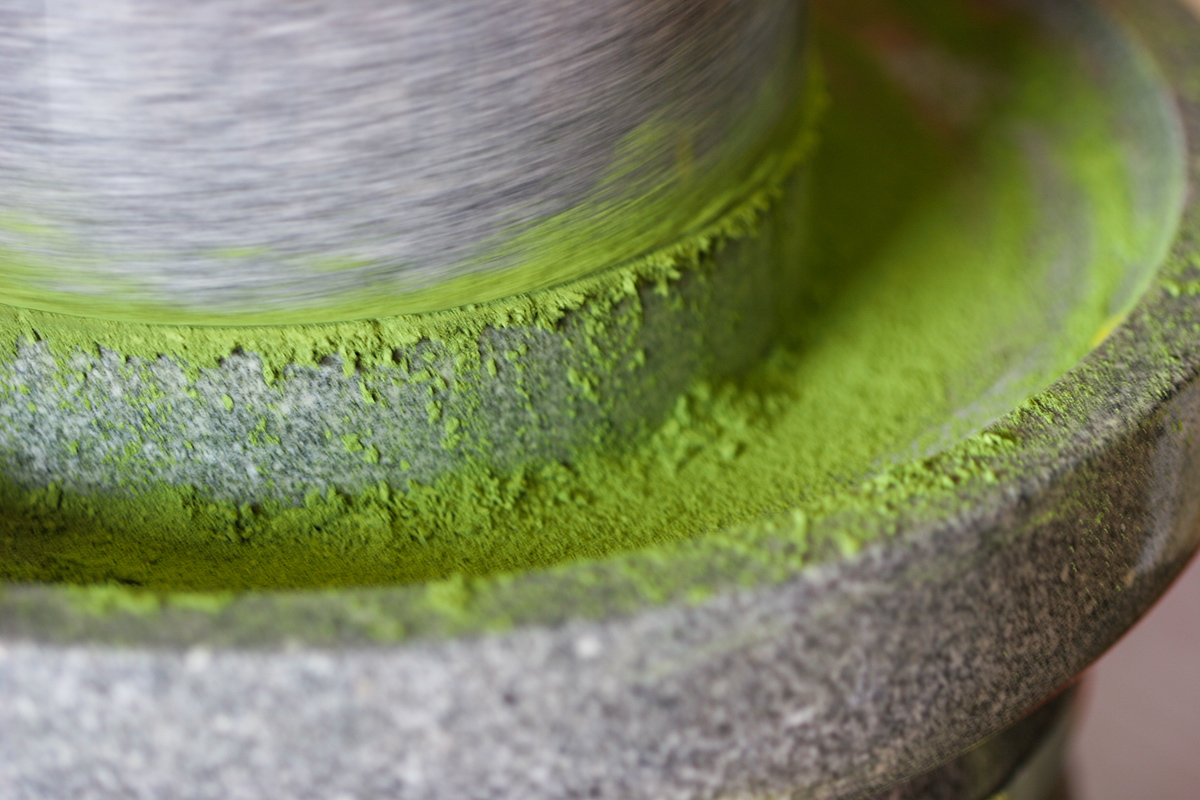
But matcha has suddenly shifted centre stage – or rather, centre screen. It may sometimes look strangely fluorescent, but in a world where the real and virtual are merging, does anyone care? Meanwhile, in Japan, the stones that grind the shade-grown tea leaves into a fine powder turn slowly. There is no guarantee that they will be able to meet this unexpected surge in demand.

Share on Facebook. Tweet this!

Tea and ginger

23 May 2025
Tea and ginger

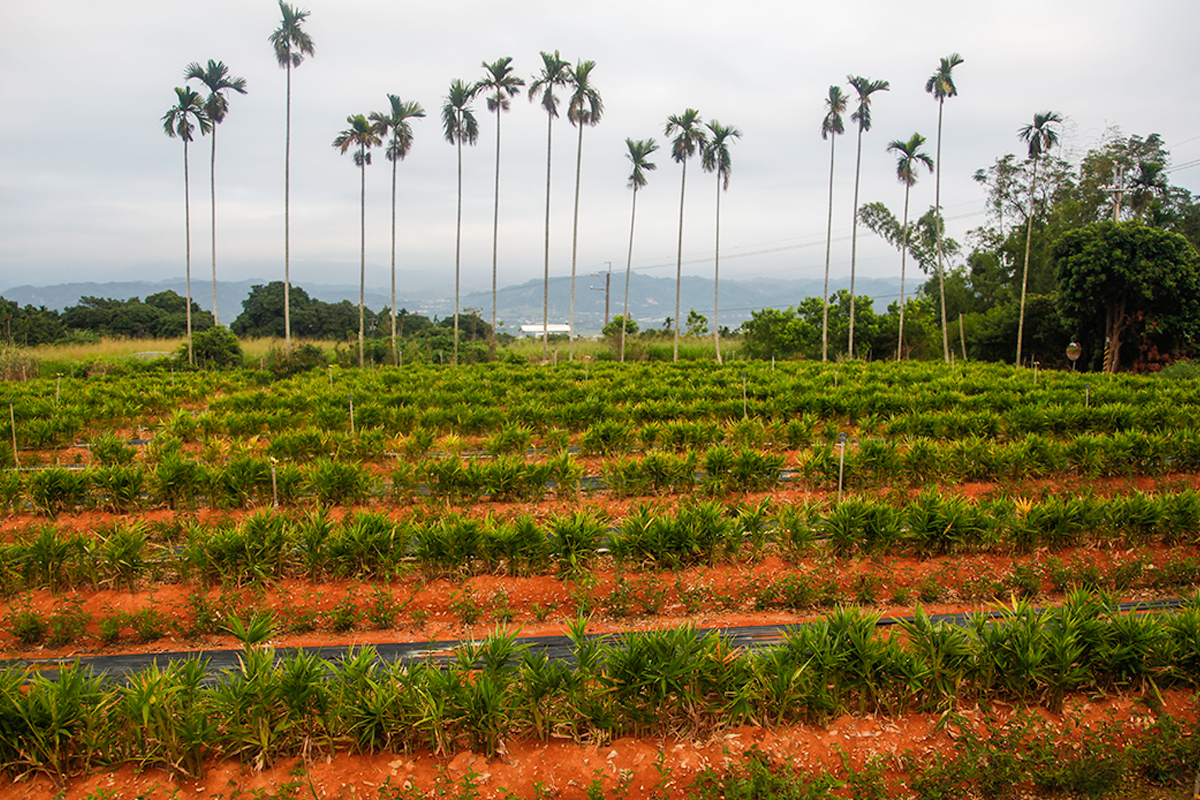
It is common for tea to be grown alongside other crops. This can be seen in various countries, where tea bushes are cultivated among peanuts, coffee plants and tall palm trees. Here, in the Taiwanese hills, young camellias have just been planted between rows of ginger. It will be a while before their leaves can be harvested. This combination requires careful management, as ginger is vulnerable to attack by various pests. These must be controlled to avoid losing the crop, preferably using products that comply with organic standards. As a precaution, it is therefore essential to get the tea plants analysed by a laboratory.

Share on Facebook. Tweet this!

Withering in the open air

9 May 2025
Play
previous arrow
next arrow
Slider

In Alishan, a region of Taiwan known for its high-mountain teas, the leaves are spread out in the open air as soon as they are harvested, to wither in the sun. An electric shade can be rolled out at any time to protect them from the elements. Withering is the first stage in producing these famous semi-oxidised teas. The leaves then undergo various processes including oxidation, this time inside the building.

Share on Facebook. Tweet this!

Serenity

25 April 2025
Slider

Tea doesn’t have to be grown on vast plantations that cover hundreds of acres. Tea is also grown on a more human scale. Take this house surrounded by Camellia sinensis plants, for example. In many countries, tea cultivation has led to intensive farming practices, typically in lowland areas. However, if you climb a little higher, travel further and finish your journey on foot, you will find villagers who grow tea alongside other crops. These farmers use traditional methods to produce remarkable teas. Sometimes they sell the fresh leaves to a neighbour with better equipment or to the local cooperative. Here, I feel a deep sense of serenity. By eight o’clock in the morning, the sun has been up for a while and the household is bustling. The crowing of the rooster mingles with the chanting of a mantra, and a sun salutation greets the new day.

Share on Facebook. Tweet this!

Sérénité


Slider

Nul besoin de plantations immenses, de domaines qui s’étendent sur des centaines d’hectares. Le thé c’est aussi cela, une maison entourée de camellia sinensis. Une production à échelle humaine. Dans de nombreux pays, la culture du thé a donné lieu à des pratiques intensives, en général en zone de plaine. Mais dès que l’on grimpe un peu, que l’on accepte de faire de la route, de finir à pied, on trouve des villageois qui cultivent le thé parmi d’autres matières agricoles et ces fermiers-là, de la façon la plus artisanale qui soit, manufacturent des thés remarquables. Il leur arrive aussi de vendre les feuilles fraîches à un voisin mieux équipé ou encore à la coopérative locale. Ce que je ressens ici c’est une atmosphère de sérénité. À huit heures du matin, le soleil était levé depuis longtemps et la maisonnée s’activait. Au chant du coq se mêlait celui d’un mantra, une salutation au soleil et à la vie.

Share on Facebook. Tweet this!

Sharing knowledge

4 April 2025
previous arrow
next arrow
Slider

Sharing your passion with your team, experiencing moments of happiness together, rewarding and celebrating the best… This is what comes to mind when I express the joy of going on a trip with my team, in this case six Master Tea Sommeliers I invited to India to discover an iconic Himalayan region: Darjeeling. Over five days we visited some of the finest tea plantations (Risheehat, Barnesbeg, Seeyok and others), including some small producers, and tasted the first premium teas of the season. We also visited villages surrounded by abandoned tea gardens, where Karuna-Shechen – Matthieu Ricard’s nonprofit organisation – is working on the ground with strong support from Palais des Thés.

Here, with Allan Rai, the producer of Yanki tea, and his wife, mother and father are: Marie (Lyon Croix-Rousse store), Lucie (Nantes), Elena (communications), Simon (Liège), Lola (data analyst), Kenza (Faubourg Saint-Antoine) and myself. Is there anything more important, more essential in life, than sharing experiences and passing on knowledge and skills?

Share on Facebook. Tweet this!

Drink your soup!

21 March 2025
previous arrow
next arrow
Slider

When you take part in a professional tasting, you assess the dry leaf, the infused leaves and the liquid in the cup, known as the liquor or “soup”. This last name seems particularly appropriate when it is tasted with a spoon similar to those used in Asia to drink the broth served at the start of a meal. You bring the spoon of tea soup to your lips and slurp. Inhaling air at the same time allows you to better appreciate the texture, flavours and aromas of the liquor.

Share on Facebook. Tweet this!