In Japan, organic farmers, father and son

16 February 2018
In Japan, organic farmers, father and son

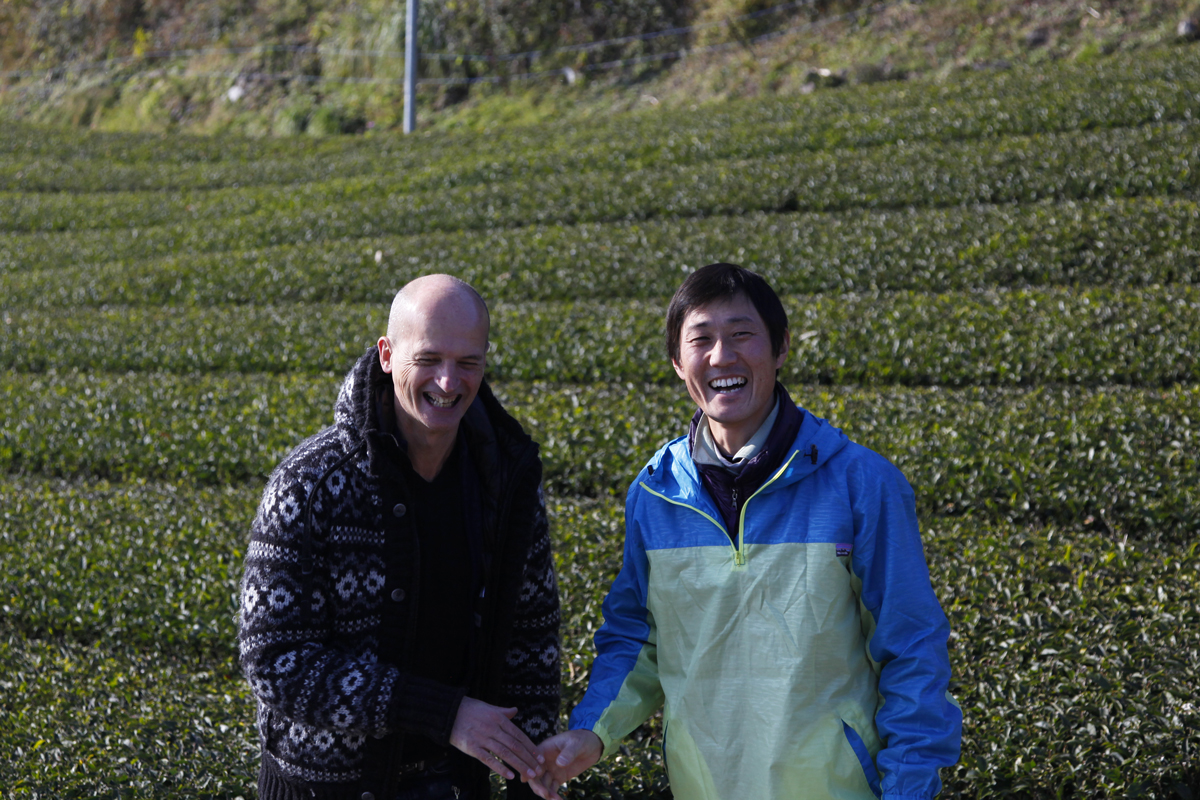
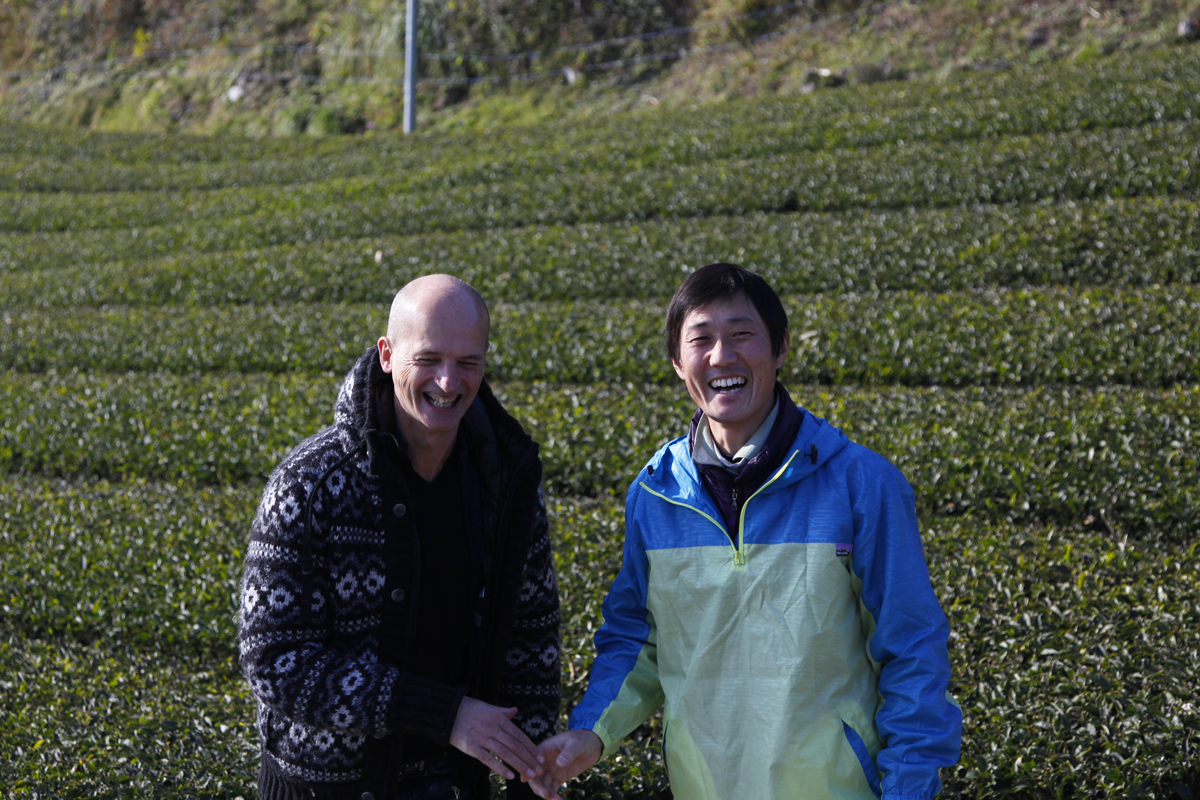
I’d like to introduce you to Kitano Shuichi. Of all the farmers I’ve met in Japan, he’s the most passionate and inspiring about organic practices. He’s been using these methods for 30 years, introduced by his father. The latter, convinced of the health benefits of organic tea, suffered financially for ten years, due to very low yields, but he pulled through. Today, he sells his tea for a good price because demand for organic tea is higher. Kitano Shuichi and his father make their own compost, while others buy it in from outside. But most significantly, they never use anything to do with animals in their compost. So that means no cow manure, for example. They believe in biodynamic methods and use them successfully. They’re so proud of their compost they insist you taste it. But if you want to know their exact recipe, you can ask all you like but they’ll reveal nothing save their good humour, with a smile. 

Share on Facebook. Tweet this!

Our friends the earthworms

9 February 2018
Our friends the earthworms

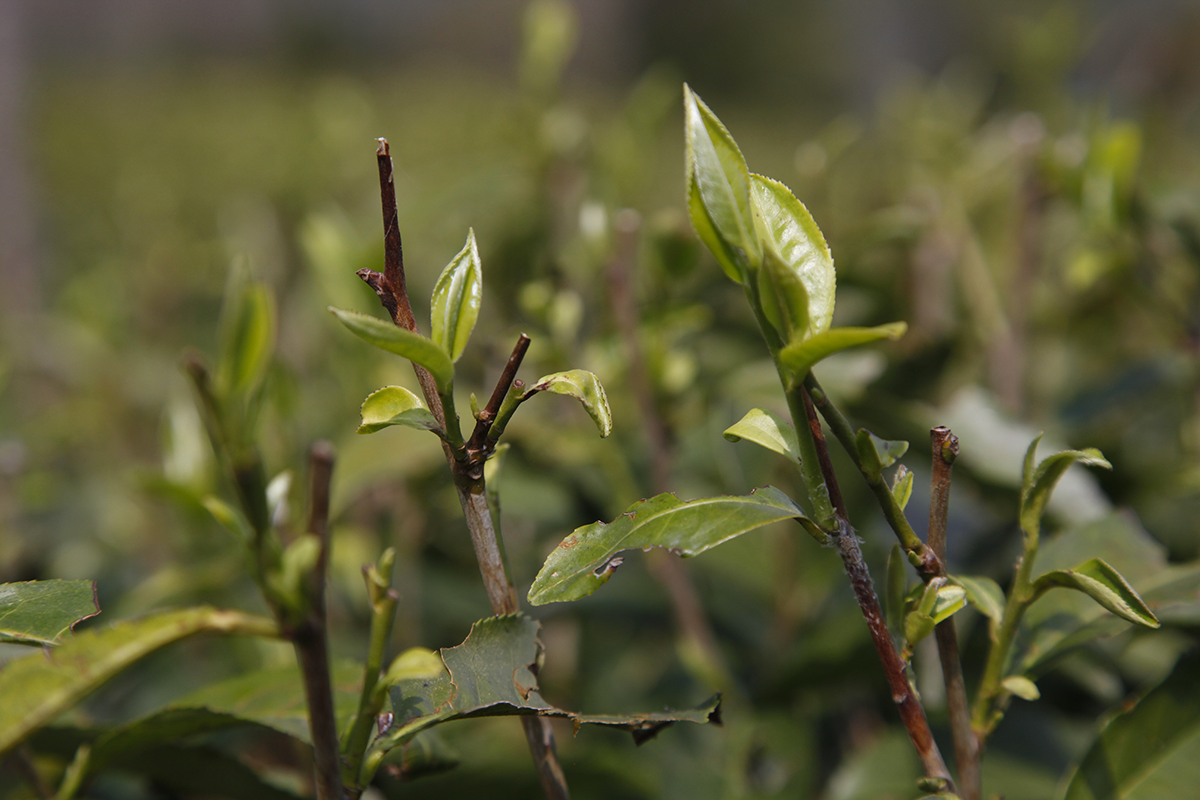
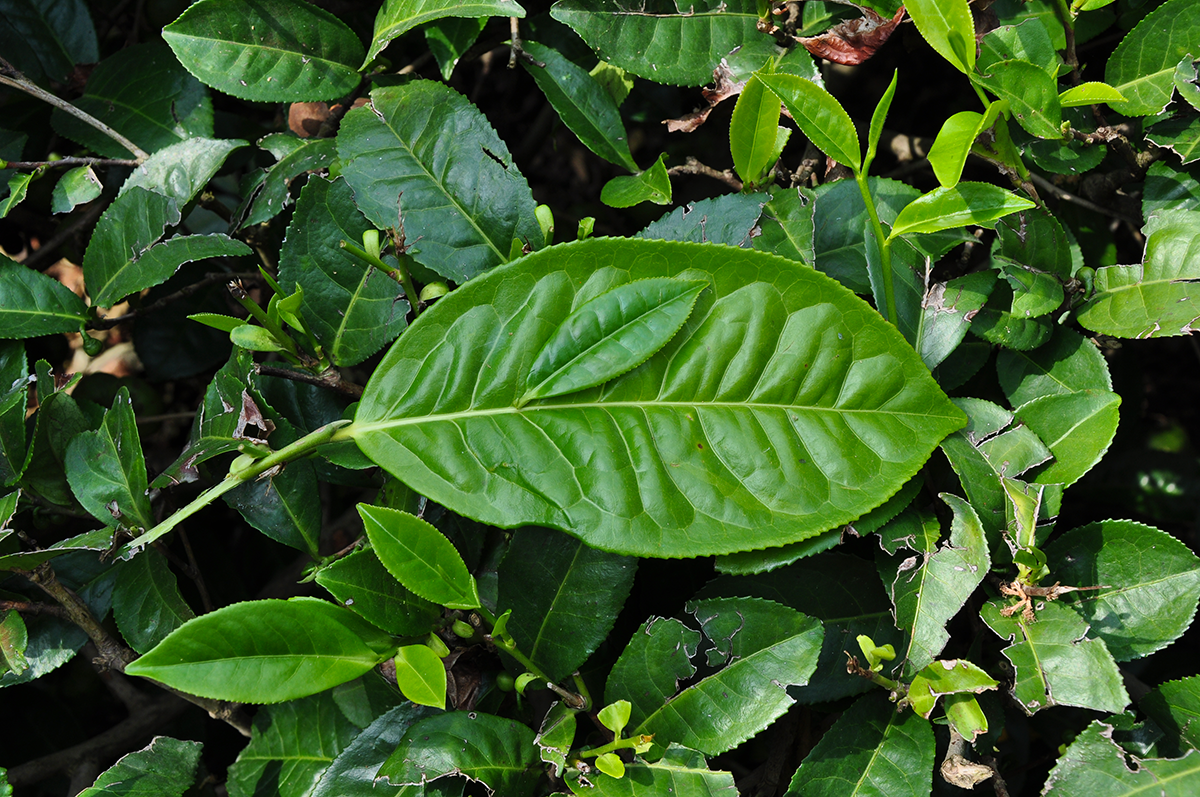
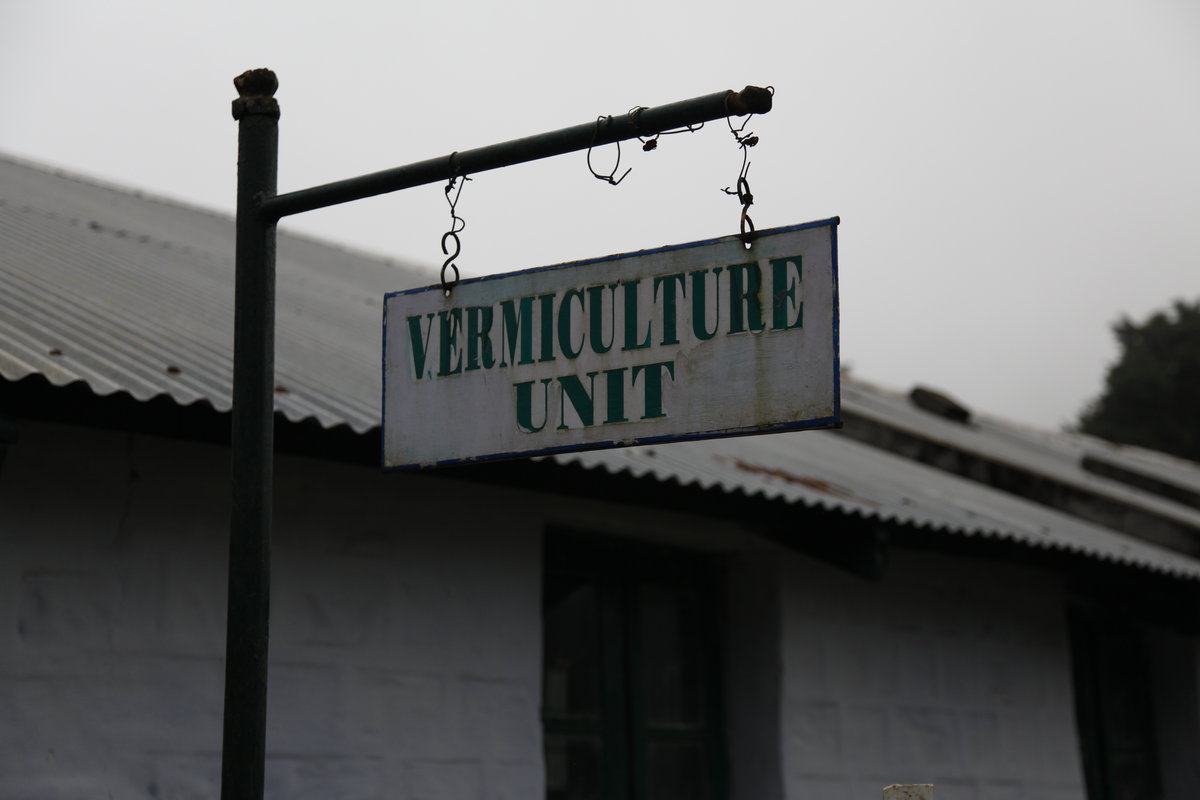
Tea plantations that use organic methods avoid all conventional pesticides and fungicides. They limit the spread of undesirable elements through the use of natural predators or repellents. And to enrich the soil, to make up for the nutrients that the tea plants take up, especially in intensive farming, they need to add a significant amount of organic matter. Organic compost can be bought in, or even better, produced on the plantation. One way of doing this is using vermiculture, a fairly common practice in India. Millions of earthworms are fed cattle manure mixed with chopped up banana leaves, for example. The worms produce excrement, and it is this excrement that is deposited around the base of each tea plant.

Share on Facebook. Tweet this!

Mountains in Southern India

2 February 2018
Mountains in Southern India

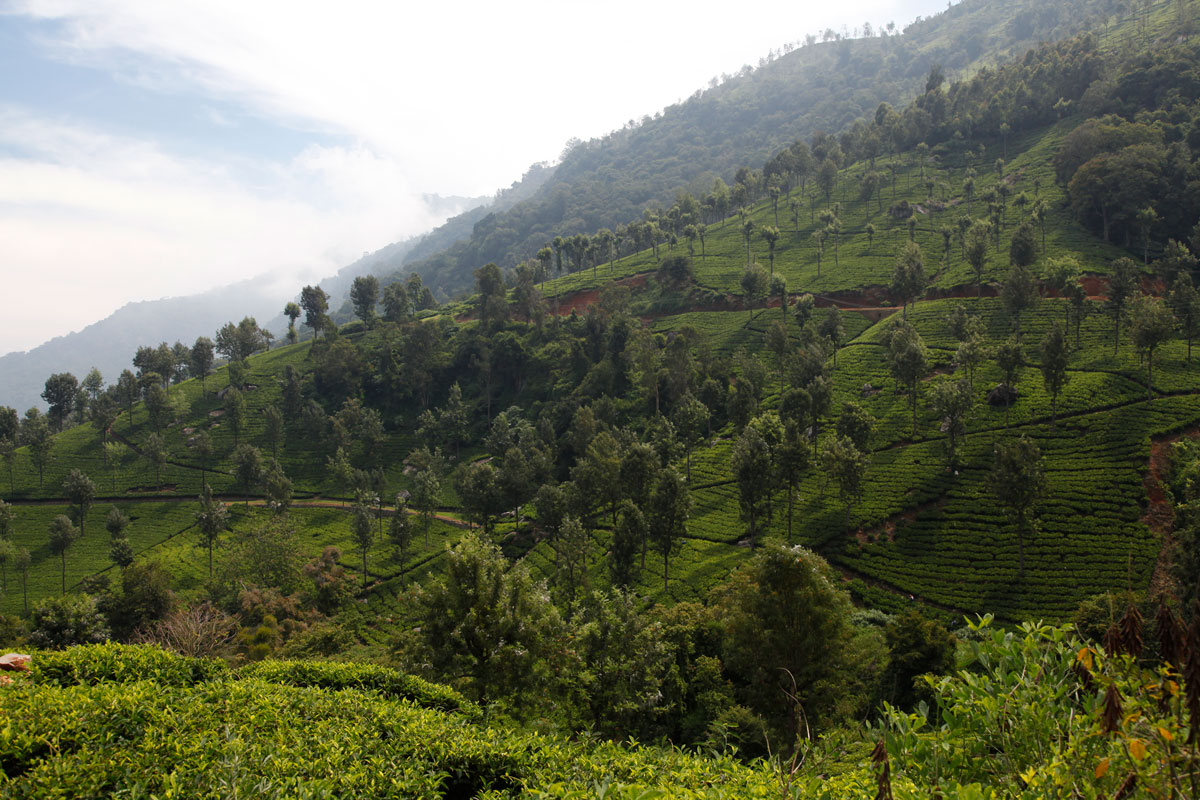
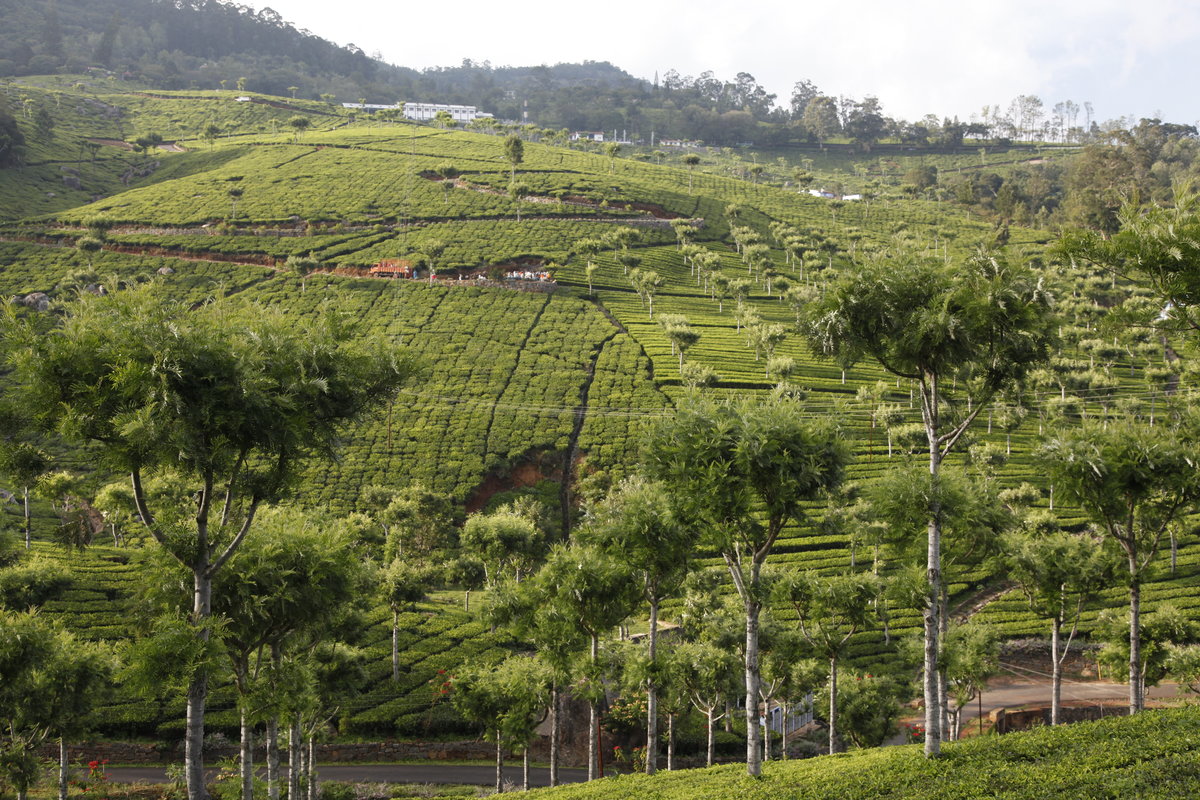
When you think of Southern India, you think of colourful temples, ancient spice trading posts, beaches lined with palm trees, boats gliding along complex networks of canals and backwaters, and luxuriant gardens. Southern India is less well-known for its mountains. Yet what are called the Ghats, literally “steps”, peak at more than 2,000 metres above sea level. This altitude and climate is well suited to tea plants.

Share on Facebook. Tweet this!

Thanks to you

26 January 2018
Thanks to you

I visit many places I never want to leave, where I’m surrounded by dreamy landscapes and amazing nature, where I meet such kind and lovely people, but I always come back. I often come back with delicious teas, that’s my job, and with these photos I share with you. I love to share them with you as it’s a way of prolonging my travels, days and weeks later. I show you my photos here, I write a few lines of explanation, and in doing so, I’m transported. Thanks to you I return, I’m back in the mountains I travelled through a little too quickly, and now I have time to contemplate them, here, in your company.

Share on Facebook. Tweet this!

Holding the soil in place

19 January 2018
Holding the soil in place

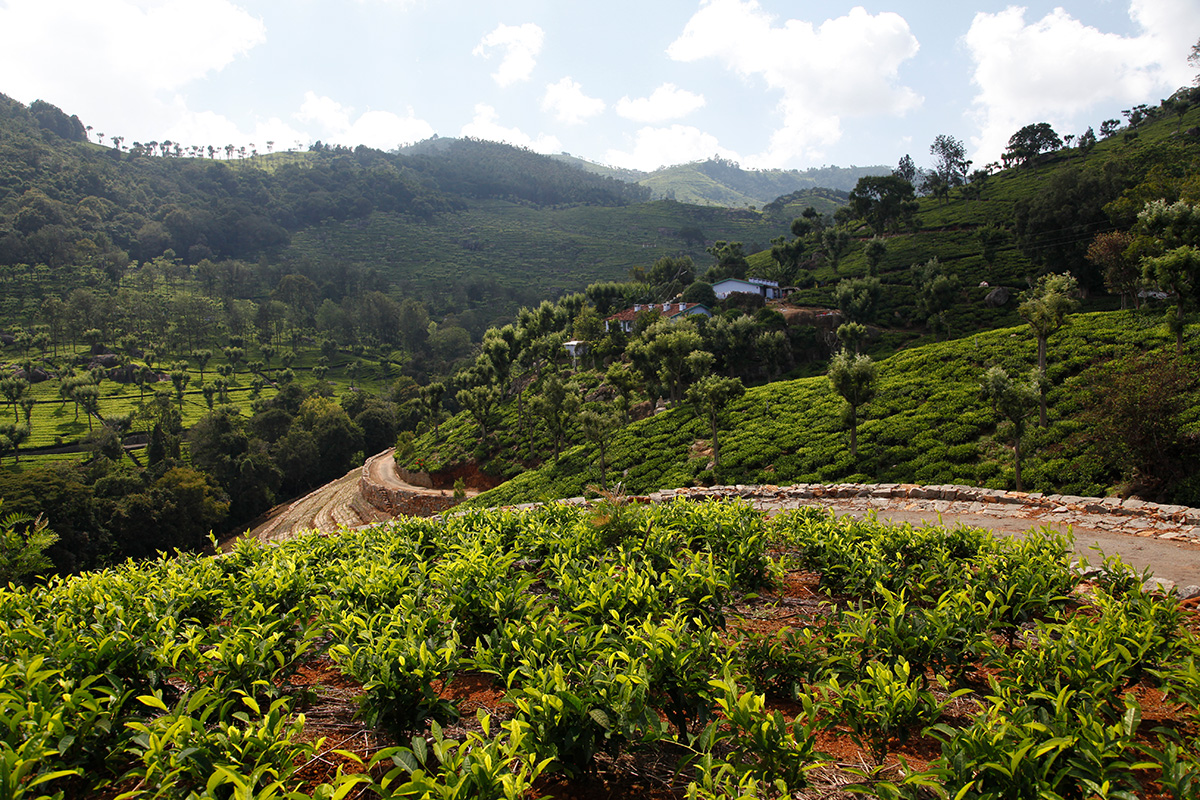
Farming methods change over time. Tea bushes sometimes used to be planted following the slope of the ground, resulting in vertical lines like those visible on the left of this photo. Today, young bushes are planted in horizontal rows, to reduce soil erosion. In heavy rain, the water runs off more slowly and the tea bushes hold the soil in place.

Share on Facebook. Tweet this!

My friend Anil

12 January 2018
My friend Anil

I’ve known Anil for more than 10 years. Back then, he was running a beautiful tea plantation, Thaishola, in southern India. I visited him there several times, and he taught me a great deal. He made high-quality teas in the Nilgiri Mountains. Then he became an auditor for organisations that certify tea produced using methods which respect the planet and its people. His efforts were admirable. And now, thanks to his immense experience, he advises tea plantations. Recently, I visited him with a team from Palais des Thés. He was so attentive to us, and went to great lengths to arrange meetings with people he considers to be the best producers in the region. We pestered him with questions from morning till night. He also let us stay in this incredible Ootacamund Club, where we were transported 200 years back in time to the reign of Queen Victoria. He dedicated all his time to us, and never tired of our thirst for knowledge about tea. He was generous with every remark and explanation. Thank you Anil!

Share on Facebook. Tweet this!

A musical reception in the Himalayas

5 January 2018
A musical reception in the Himalayas

In the Himalayas, people love music. Whenever the opportunity arises, they take up their instruments – sometimes a guitar, sometimes something more traditional – and they sing and dance. Here, with the Limbu people, everyone is wearing traditional dress to celebrate my arrival. They played and danced until the last rays of the setting sun, overlooking magnificent mountains. Later, they lit the fire. It’s a moment of pure happiness.

Share on Facebook. Tweet this!

Sharing my passion

29 December 2017
Sharing my passion

In this blog, which is celebrating its seventh year, I love to talk about the work I’ve been doing for more than 30 years; my job is my passion. Part of the joy comes from sharing it in situ with my colleagues at Palais des Thés and showing them what I do every day. They accompany me on tours around the tea fields and I share with them the time I spend with farmers and planters, which is so important in my view, learning about every aspect of their work and their life. Here, from left to right, are Benoît (poor framing on my part has deprived him of his right ear), Audrey, Sylvie, Frédéric, Constance and Linda, who don’t look unhappy to be on the trip.

Share on Facebook. Tweet this!

This is Shiva

22 December 2017
This is Shiva

Divinities differ from country to country, and while some people are celebrating Christmas, on other continents they worship Shiva, or pray to Allah, or follow the words of Buddha. Through my work I’m lucky to come across people from different cultures and religions, and I love this variety. Happily, we don’t all think the same way yet; our customs and rituals change and we speak different languages depending on where we’re born, and I hope this continues as long as the world exists. It makes travel more interesting. Some people follow a religion, others don’t – although the latter are rare in the parts of Asia and Africa I visit. Among them, I find a multitude of different rites. People pray before a wall, from a pulpit, at the foot of a minaret, or around a stupa. They pray to the wind or fire, they place offerings at the foot of simple statuettes. Whoever or whatever you pray to, and even if you don’t pray at all, I wish you all happy holidays!

Share on Facebook. Tweet this!

In silence

15 December 2017
In silence

I like silence. I hate it when people make noise for no reason. I don’t have a television. I don’t see the point of listening to music constantly. I’ve noticed that many people are afraid of silence. They go around with headphones on, they talk even when no-one is listening, their thumb constantly swipes their phone screen. They are filling a void that feels threatening. But what is there to be afraid of? I’m happy with silence. I’m happy surrounded by nature, away from human noise. It’s the same with photos. A good photo needs no commentary. No noise. You can just look at it.

Share on Facebook. Tweet this!