Arya Tara: the rare teas of Saran RAI

27 April 2018
Arya Tara: the rare teas of Saran RAI

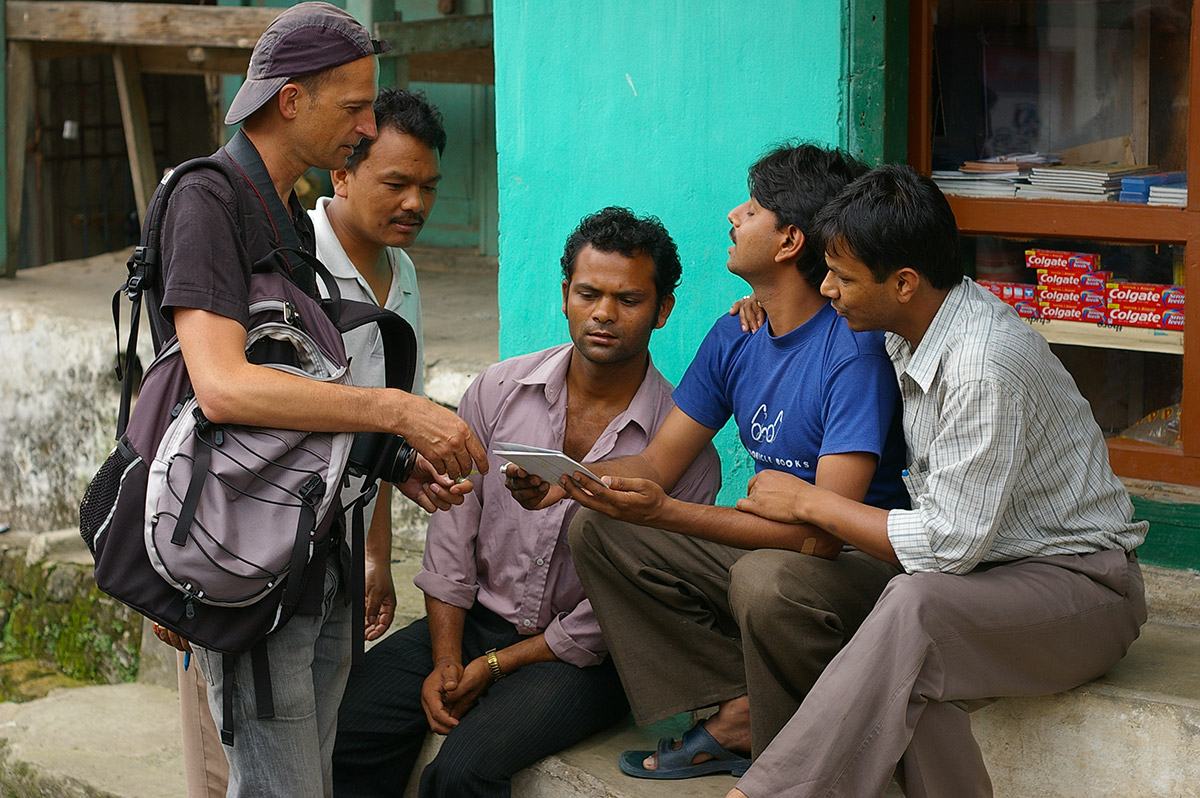
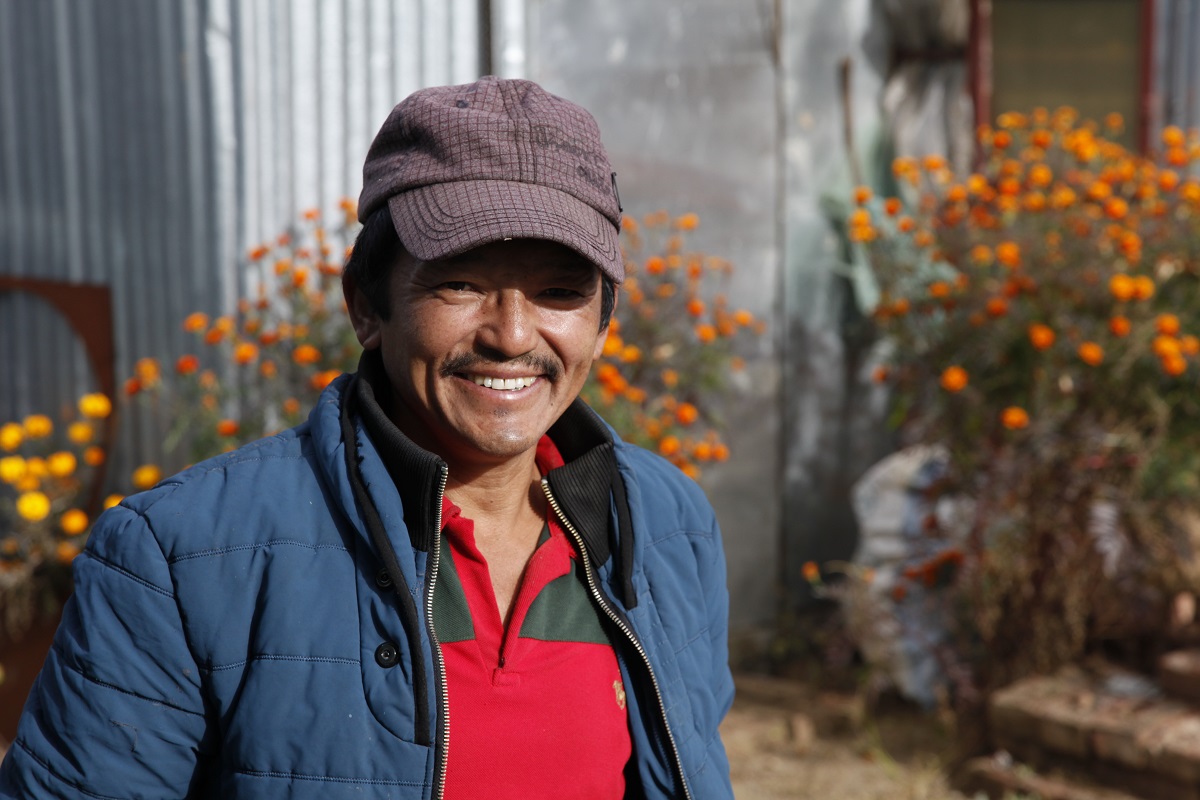
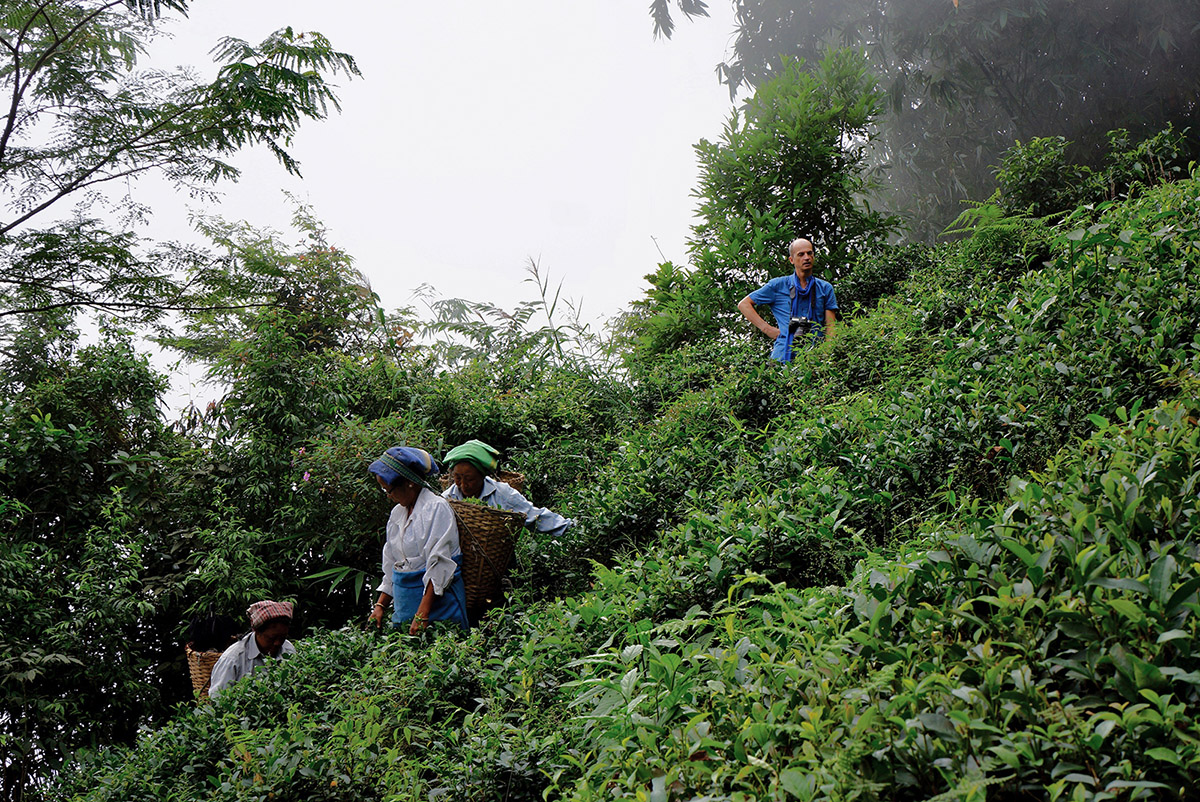
I find it very rewarding to tell you about the men and women who make the teas you drink. Today, I’d like to introduce you to Saran RAI. Based in Arya Tara (Nepal), Saran produces different grades of tea, but just 300 kg a year. He uses my favourite cultivar: AV2. It is a very small, very high-quality plantation. Half of the fresh leaves that make his teas come from his own fields, and half come from the 50 or so local farmers. When I ask what he is most proud of, Saran replies: “being visited by people from afar”. It is true: he receives very few visitors. The route is arduous, especially the last few kilometers. I walked them, on an almost impassable track, surrounded by beautiful countryside. Although his plantation is not certified organic, I have no doubt that Saran uses organic methods.

Share on Facebook. Tweet this!

A volcano in the landscape

20 April 2018
A volcano in the landscape

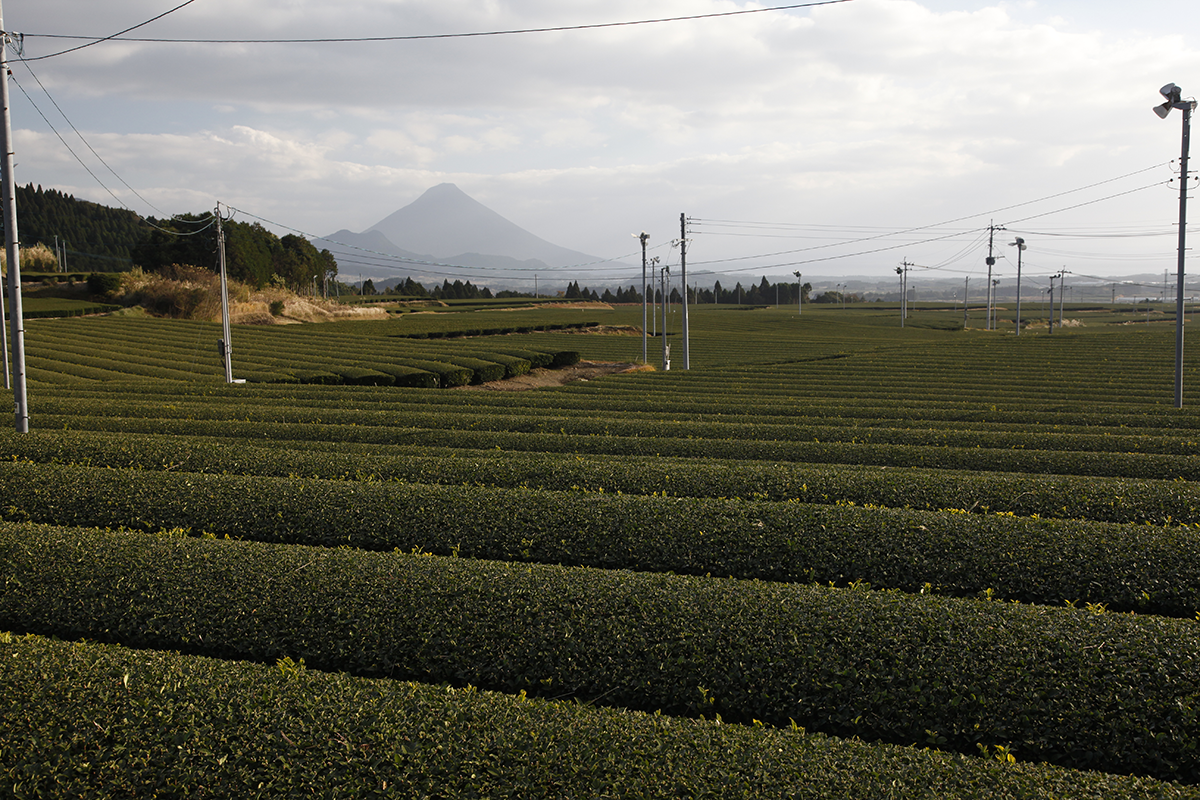
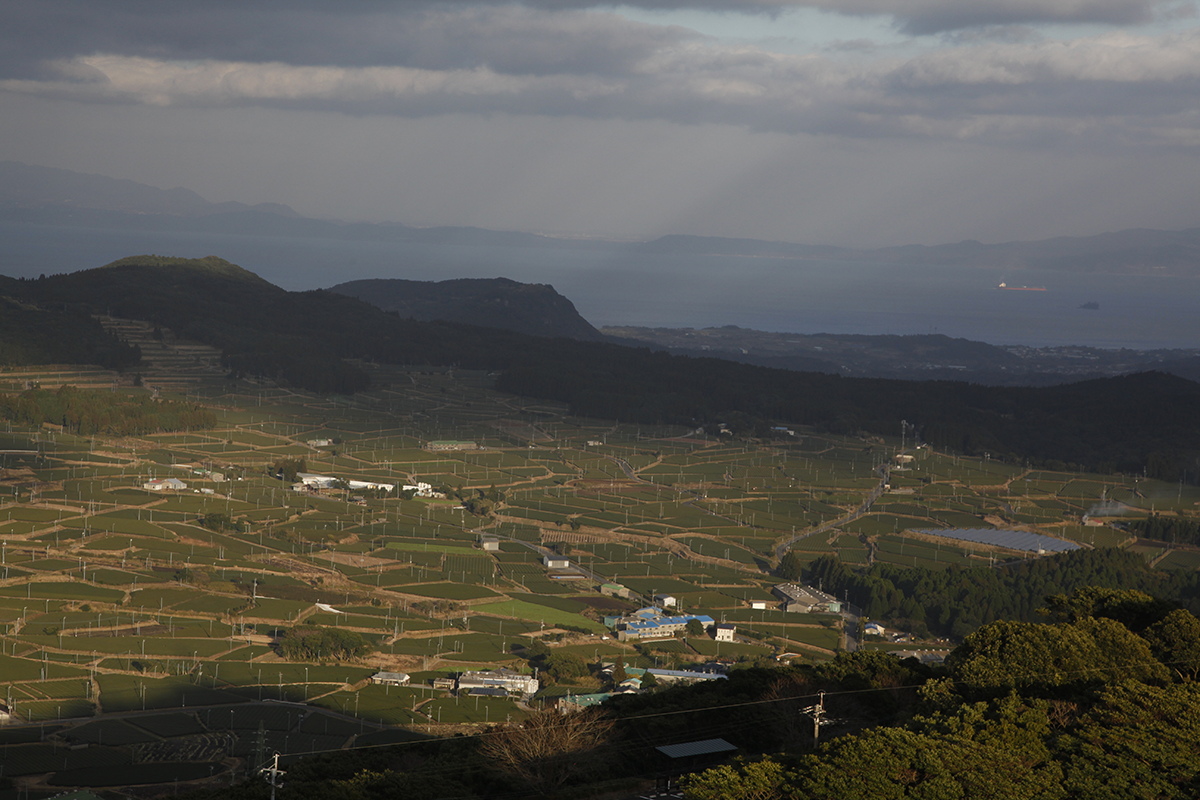
On the island of Kyushu in Japan, it isn’t unusual to find a volcano in your field of vision. As someone who enjoys photography, this makes me very happy. The outline of these lava giants emphasises the controlled horizontality of the tea plants. They disrupt a rather too orderly landscape. They also remind us that the duration of harvests, the duration of seasons, the duration of human life, quite simply, is infinitesimal. Here is Mount Kaimon, which has a silhouette similar to that of Mont Fuji.

Share on Facebook. Tweet this!

Modest appearances

13 April 2018
Modest appearances

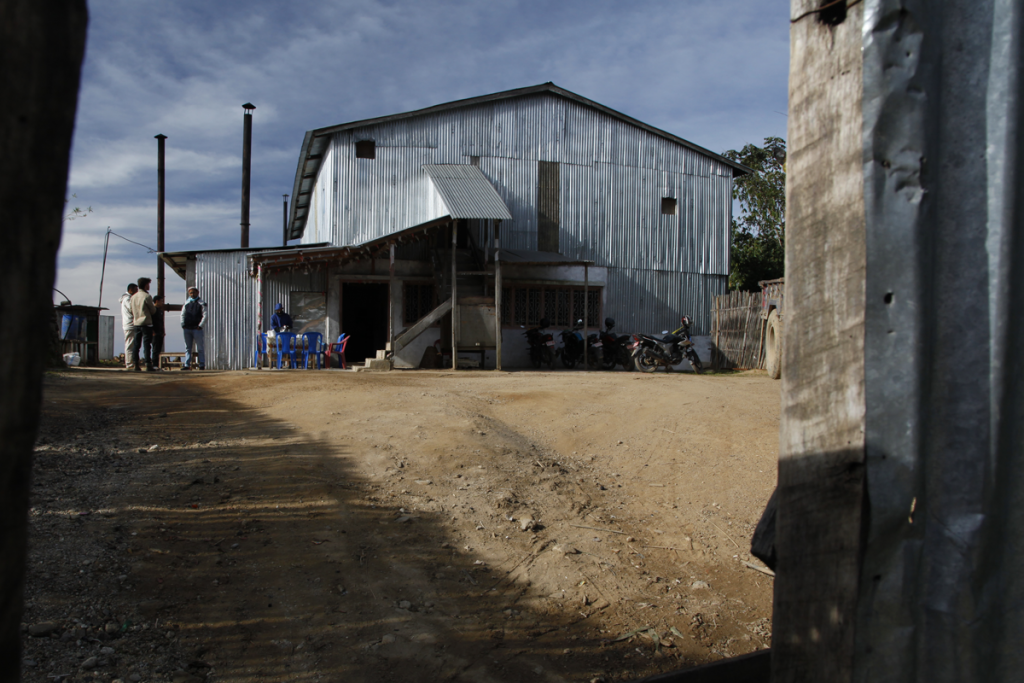
In Nepal, factories often look quite makeshift, from the sheet roofing to the very basic structure. Teas are tasted outside, on trestles. This is a long way from Darjeeling, with its British colonial influence. But we shouldn’t judge by appearances. Inside these modest-looking buildings, the equipment is not only very good (small rolling machines from China or Taiwan, quality ovens, machines that delicately shape the leaves, etc.), but most of all, you find a unique expertise and creativity. The people are young and passionate – again, very different from the image of the established planter in Darjeeling. They live and breathe tea, and think of almost nothing else. Their sole objective is to make delicious teas, whatever the colour. The lack of a tea tradition in Nepal undoubtedly frees them up to explore new leaf shapes, new types of rolling, new approaches to production in general. “Handmade” Nepalese teas (as opposed to the crush, tear, curl teas and the big factories, which also exist in the Ilam region) have a bright future ahead of them.

Share on Facebook. Tweet this!

An unusual season

6 April 2018
An unusual season

The Darjeeling season is going to be a strange one. The really amazing teas are priced out of reach (30% to 50% higher than in previous years) to compensate, the planters say, for the losses they sustained during the 105 days of strikes last year. So far I’ve bought, on the best possible terms, the following: Mission Hill DJ4 SFTGFOP1 Clonal, Puttabong DJ14 SFTGFOP1 Clonal Exotic, Puttabong DJ12 SFTGFOP1 Clonal Queen, Orange Valley DJ5 SFTGFOP1 cultivar China, Balasun DJ6 SFTGFOP1 Himalayan Mystic, and  Rohini DJ15 FTGFOP1 Exotic White, all exclusive. They’re of a remarkable quality and will delight enthusiasts. For those wanting first-flush Darjeelings at lower prices, you’ll have to wait. Firstly, the only teas that are cheap are very poor quality, and secondly, even the mediocre teas are priced high, or very high. They’re absolutely not worth it. To sum up, this year requires more vigilance than usual.

For fans of Himalayan teas who aren’t focused on Darjeeling, and who are looking for good deals, why not wait for the Nepalese teas? They’ll be ready soon and often represent excellent value for money.

Share on Facebook. Tweet this!

Tea fields spiked with fans

30 March 2018
Tea fields spiked with fans

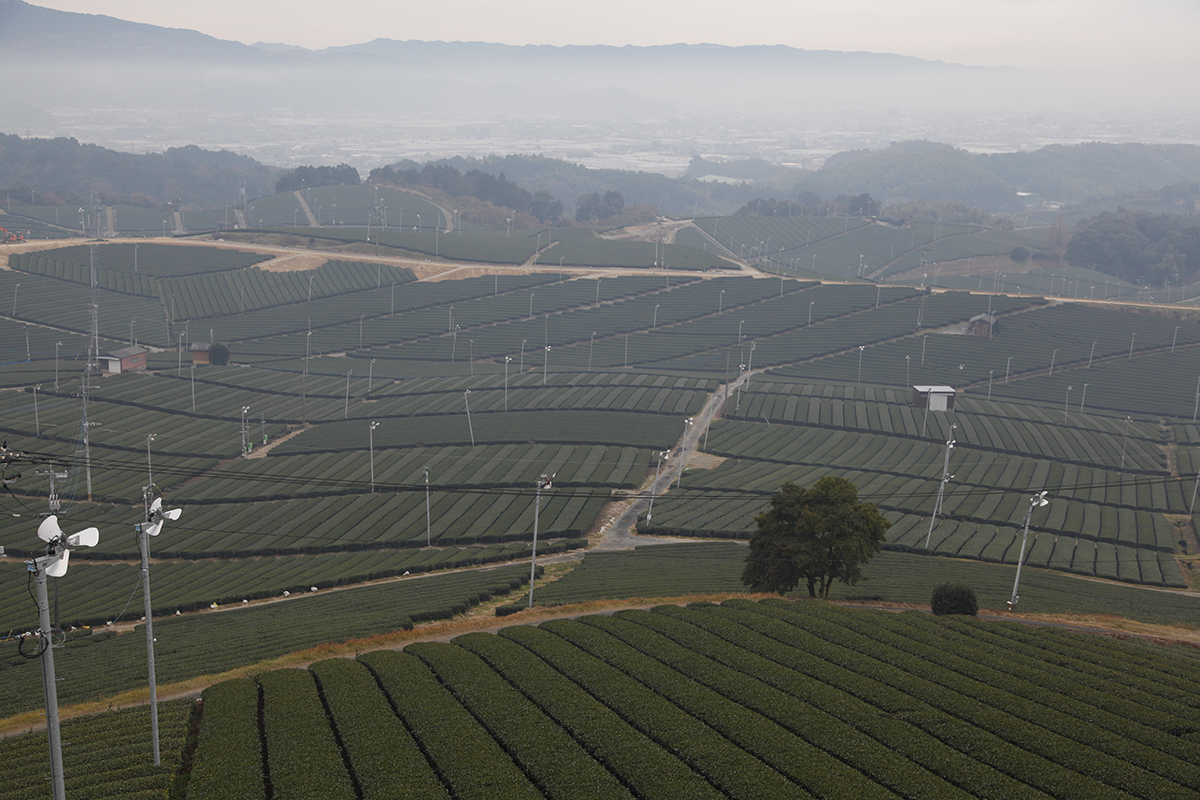
Right down to the extreme south of Japan you can find these tea fields. They are recognisable for being spiked with fans, which are installed to prevent cold air from lingering around the tea plants. Here, I’m close to Kagoshima Bay, visible in the background, an important tea-producing region in the archipelago.

Share on Facebook. Tweet this!

What’s good for us mustn’t harm others or the planet

23 March 2018
What’s good for us mustn’t harm others or the planet

My job not only consists of hunting down rare teas that offer great flavour sensations and tasting pleasures. My motto is as follows: I want the teas that do us such good not to harm those who harvest and process them, or the planet. Such a requirement is not always easy to fulfil. With the sometimes-unacceptable working conditions, pesticide residues and excessive use of fertilisers that destroy river life, there is plenty to contend with. But I’m not a pessimist. Firstly, the higher the quality of tea, the better the practices (there are several reasons for this, such as altitude, which is a factor in the quality of tea due to the cooler nights that impede predators that might otherwise attack the plants). Secondly, a tea can only be exceptional if the greatest attention is paid to the harvest itself and to every stage in the processing, which means planters and farmers must ensure they have the best workers, who are well trained and enthusiastic. Lastly, I’ve gained enough experience now to know what to look for when I visit a plantation in terms of agricultural practices and the way the men and women are treated and how their expertise is honoured. I refuse to work with many producers. And I appreciate even more the pleasure of promoting the amazing work done by many farmers whose methods are exemplary and who know what it means to support their fellow humans every day.


Share on Facebook. Tweet this!

Timid shoots

16 March 2018
Timid shoots

In Darjeeling, the years go by, and each one is different. In a little over 30 years, I’ve never known anything like the current situation. To remind you, a strike lasting 105 days prevented any work from taking place on the region’s 87 plantations between June and October. When the separatists finally removed the blockades, it was time for Durga Puja – the local version of Christmas. After the plantations had been abandoned for months, the workers then had to set about taming the jungle. The problem was that some of them had fled the conflict to find work in the valleys. And that’s where we are now: the tea plants were pruned very late – some at the end of December – which means that we’re still waiting for the Darjeeling spring harvest. On Wednesday 14 March, a few rare and timid shoots appeared on the tea plants (photo). Of course, so-called first-flush Darjeelings have been on the market for more than a month: that’s the magic of spring Darjeelings, they’re being sold before they’ve even been harvested. This is because some low-altitude plantations, which benefit from a warm climate and irrigation systems, can produce small quantities of tea during the winter. They falsely call them spring teas. Which is sad, as they are nothing like the leaves harvested from the plants in which the sap rises slowly, and which produce the unique tea that has made Darjeeling famous.

Share on Facebook. Tweet this!

The sinensis and assamica varieties

9 March 2018
The sinensis and assamica varieties

If you enjoy tea, you will probably know that there are two main varieties of Camellia sinensis used to make tea: Camellia sinensis var. sinensis, and Camellia sinensis var. assamica. Rather than getting bogged down in the Latin, here is a more practical explanation. The large-leaf teas come from the assamica strain, while the small-leaf teas – which have incomparable aromas and a hardiness that allows them to adapt to harsher climates – belong to the sinensis strain. It is self-explanatory that a producer looking for quantity over quality is likely to favour one over the other.

I would like to thank Laurence, manager of the Palais des Thés store on Rue du Commerce in Paris, for this photo she took while we were visiting a research centre in Northern India.

(photo: Laurence Jouanno)

Share on Facebook. Tweet this!

Tasting teas by other farmers

2 March 2018
Tasting teas by other farmers

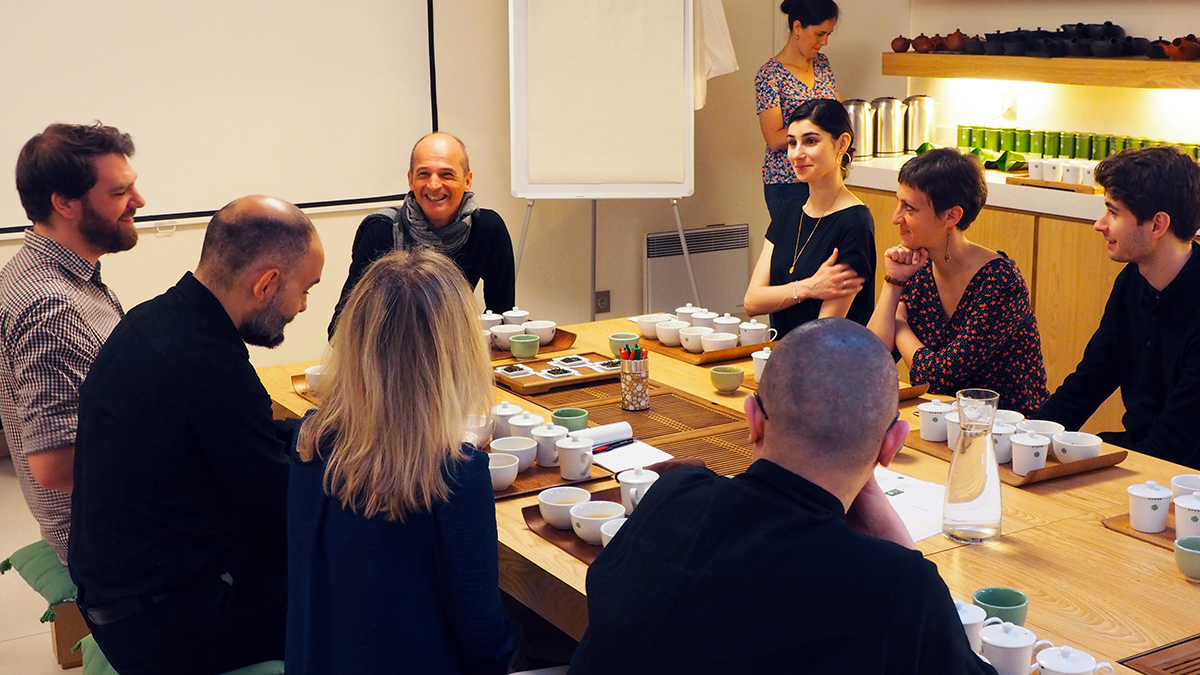
My first trip to Malawi was just over three years ago. Until then, nobody had sold tea from that country in France, and I’m delighted to have found some very good teas there, which have been well received among tea enthusiasts. In a few days’ time I will be back in the far south of this magnificent country to see teas being made, including a dark tea and a smoked tea, and to taste them with Alex and his team. I will take some teas from other countries with me, which is something else I like to do in my work: encourage producers’ curiosity by getting them to try teas made by other people, not so they can copy them, but to inspire them and to connect them, through the tasting, with other farmers who have equally precious expertise.

Share on Facebook. Tweet this!

Yorozu in Fukuoka, a unique experience

23 February 2018
Yorozu in Fukuoka, a unique experience

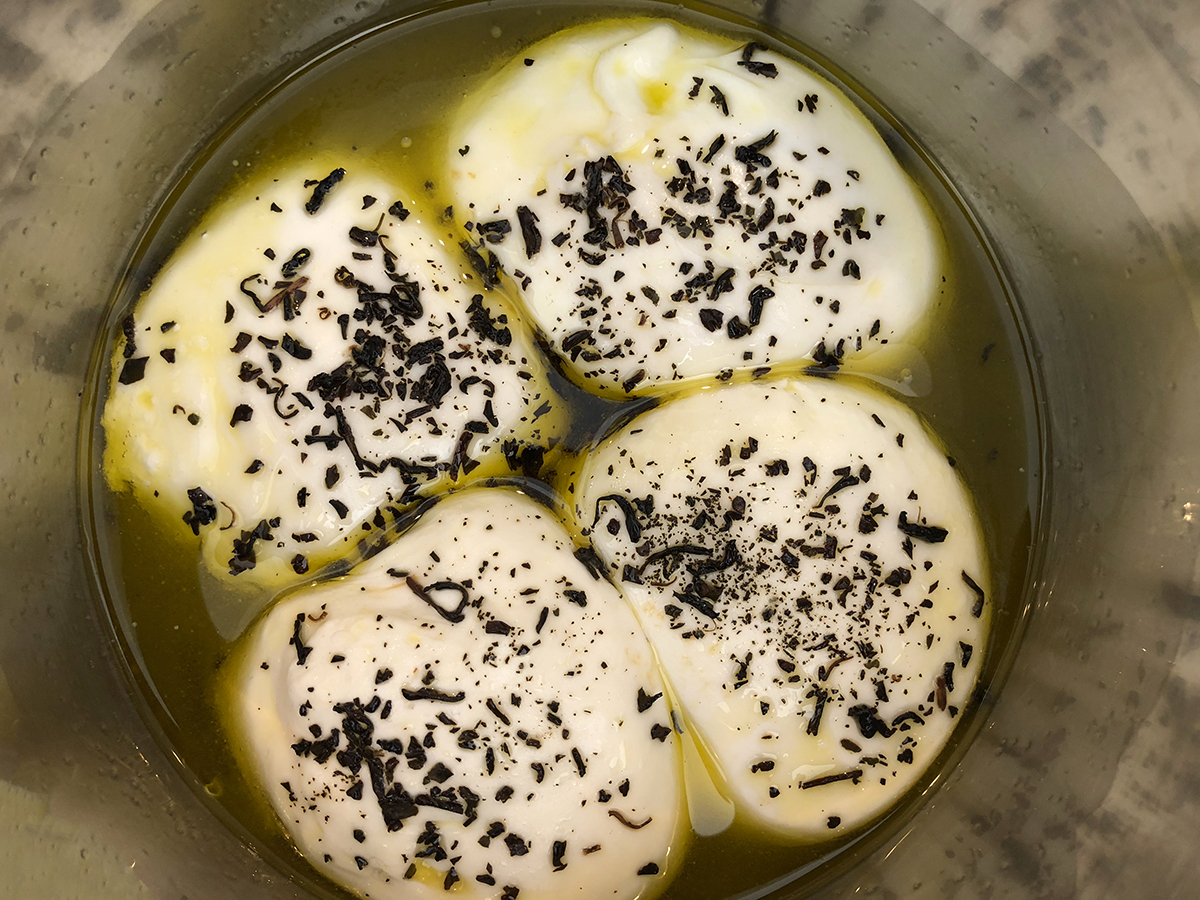
The Japanese city of Fukuoka may not get many Western tourists, but if you go there and you like new gastronomical experiences, you should go to Yorozu. You need to book in advance, you need to speak Japanese, or go with someone who speaks the language, it’s essential, and you need a couple of hours free. Then, let yourself be guided, and Suguru Tokubuchi will introduce you to pairings of food with tea and various alcohols, dishes prepared in front of you in an intimate setting, which makes every sip even more precious, every mouthful chosen to accompany one of the cocktails. It’s a unique experience.

Share on Facebook. Tweet this!