From plant to cup

A wonderful surprise from Nepal

13 February 2015
A wonderful surprise from Nepal

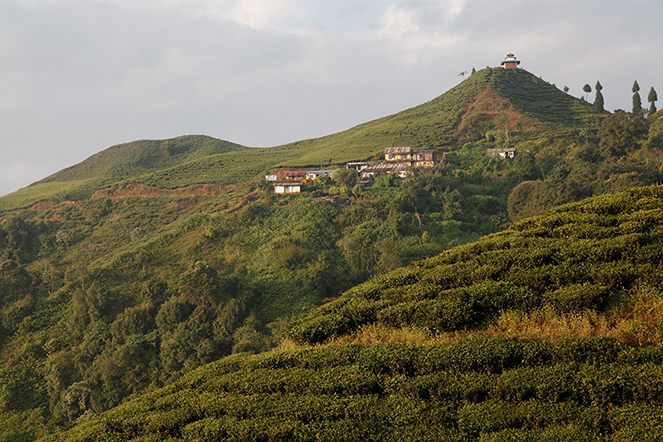
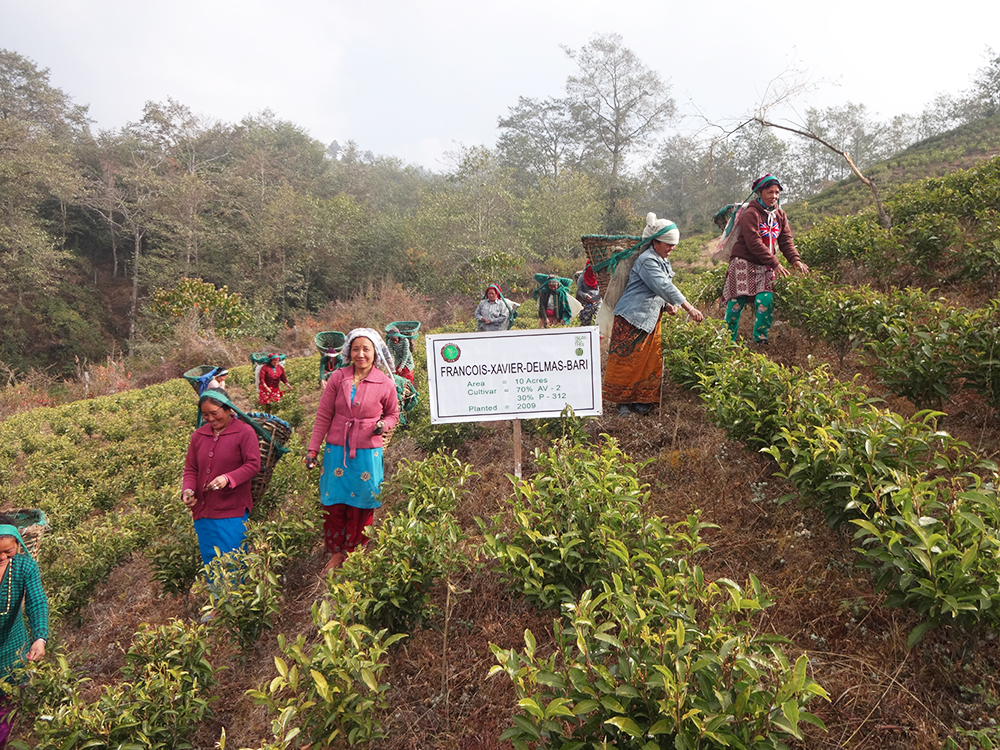
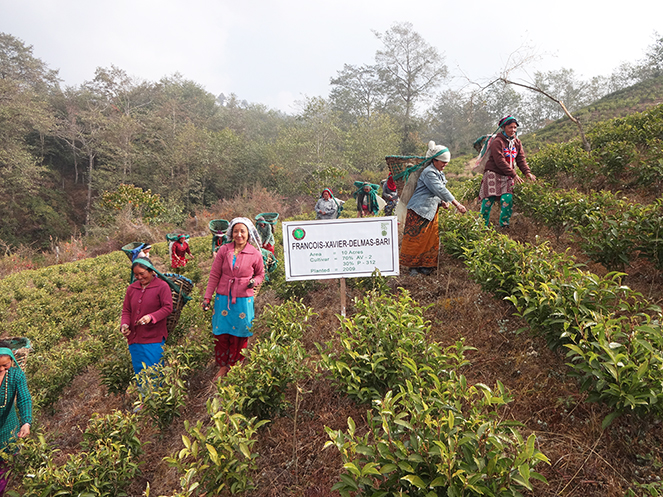
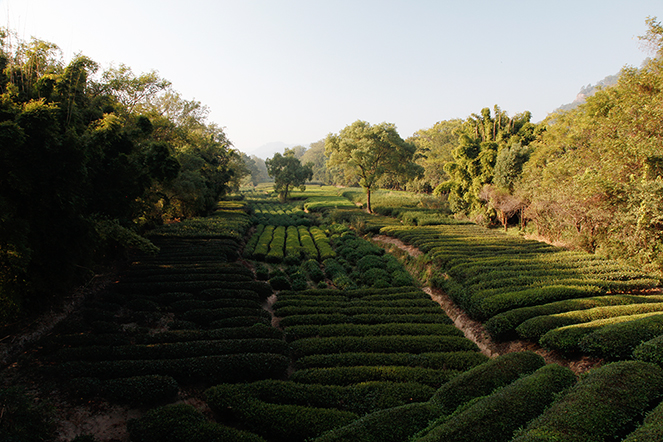
Andrew Gardner, a pioneer of Nepalese premium teas, sent me this photo of one of the plots on his plantation. He has named it after me. It’s a wonderful surprise.

This gesture from Andrew has really touched me. Andrew knows my favourite varieties, and he has planted them here. Thank you, Andrew, for the quality of your teas, your passion, your optimism and your enthusiasm.
Share on Facebook. Tweet this!

The incredible variety of teas in Fujian

30 January 2015
The incredible variety of teas in Fujian

In China, Fujian is one of the most important tea-producing provinces. Important from a historical perspective, because the first shipments of teas bound for Europe left from its ports; important also in terms of the tea itself, because Fujian is the country’s only province that grows Oolongs and the legendary white teas, as well as green teas, black teas, smoked teas and the finest jasmine teas in the country. It’s an incredible variety.

Share on Facebook. Tweet this!

The Margaret’s Hope garden celebrates its 150th anniversary

28 November 2014
The Margaret’s Hope garden celebrates its 150th anniversary

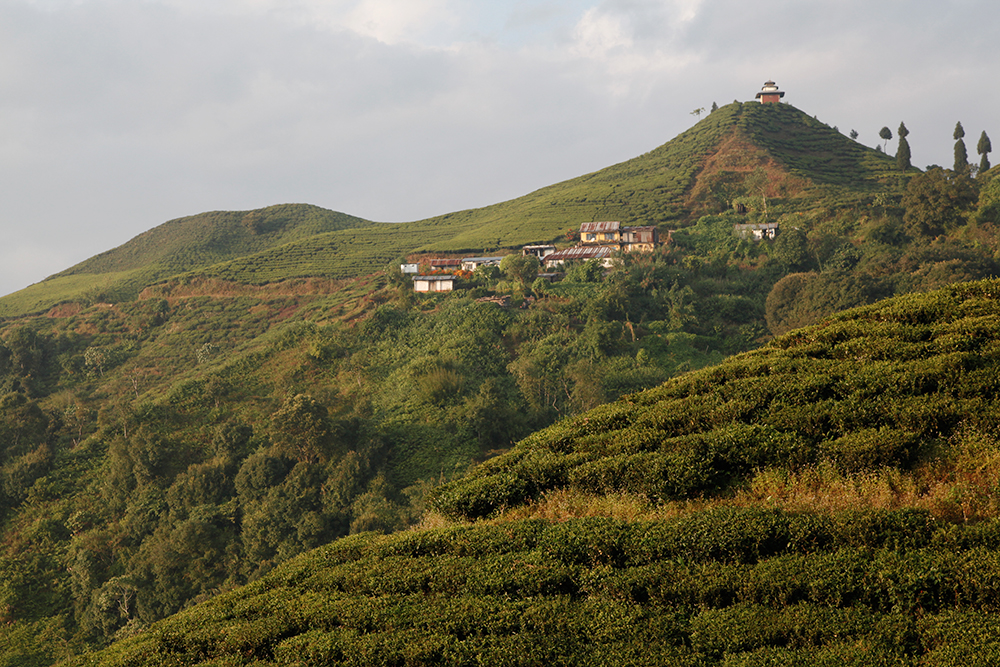
This week, the Margaret’s Hope garden celebrates its 150th anniversary, and I am invited to the event. It’s an opportunity for me to remind you that tea was only introduced to India very late, in the mid-19th century. It was the British who set up the tea plantations in the country, after stealing the seeds of tea plants from China.

Margaret’s Hope makes teas that are sometimes exceptional, such as Margaret’s Hope DJ40 Moonlight, and Margaret’s Hope DJ219 Pure Av2. They are two fine teas from 2014 that I hope will be back next year.

Share on Facebook. Tweet this!

Labour shortage in Nepal

21 November 2014
Labour shortage in Nepal

Nowadays, the main problem facing Nepalese tea producers is a labour shortage. A significant portion of the population has left to find work in the Gulf countries or in Malaysia. This means the tea is only plucked once a fortnight on some mountains, which compromises its quality. Luckily, the plantations that produce the best teas are less affected. This problem does not only concern tea. The whole of the country’s manufacturing and farming sectors have been hit too.

Share on Facebook. Tweet this!

Nepal: exceptional teas and scenery

7 November 2014
Nepal: exceptional teas and scenery

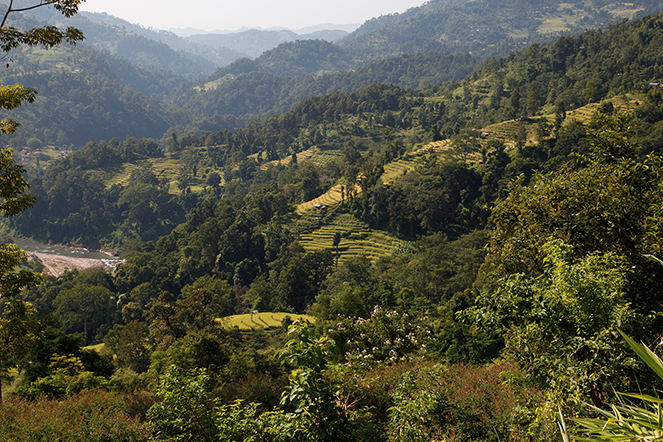
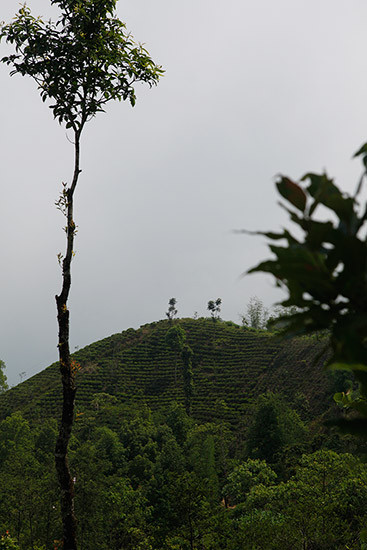
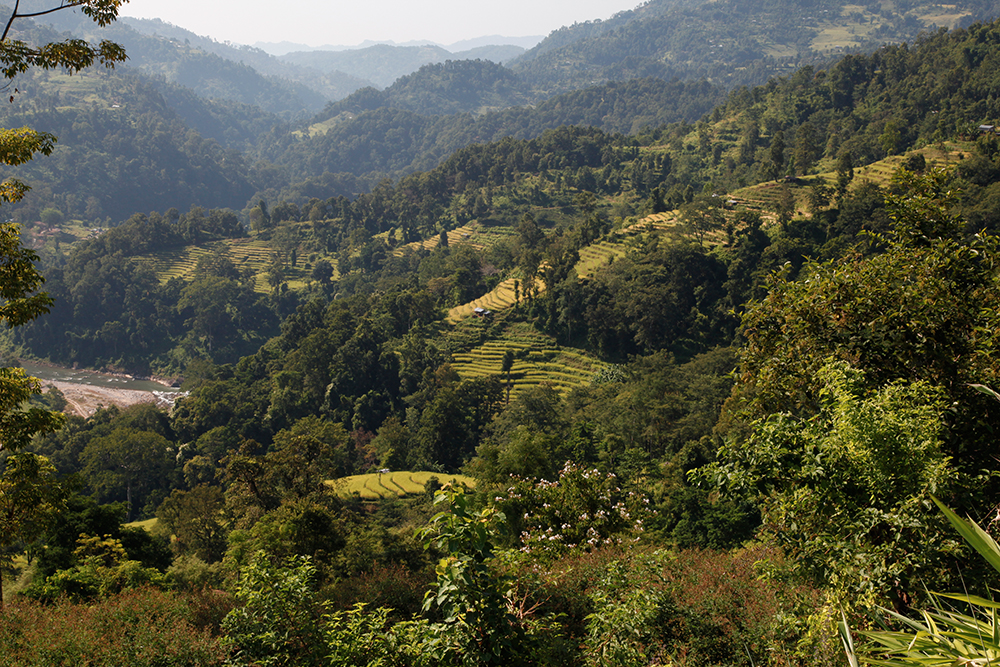
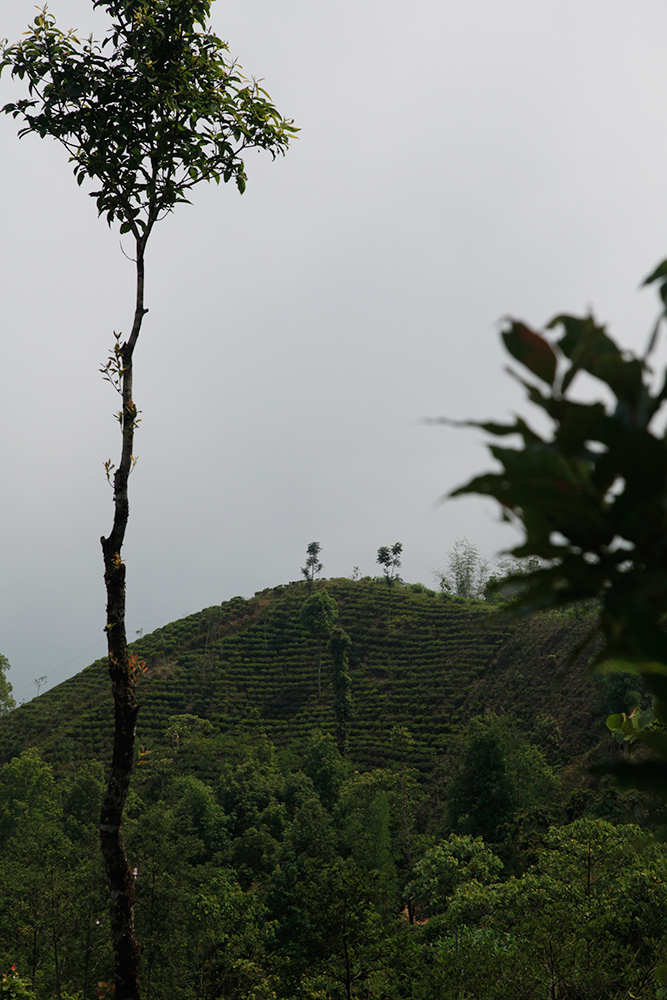
Nepal produces some very fine teas, but so few people know about them! You have to travel for hours, and sometimes walk, to reach the mountains where the tea is grown. On the way I admire the scenery, with the paddy fields carved into terraces. The farmers work using the old methods, with the help of a buffalo. Life passes slowly. You listen to the birds sing. They announce the harvest time.

Share on Facebook. Tweet this!

Rock tea: a mysterious name

31 October 2014
Rock tea: a mysterious name

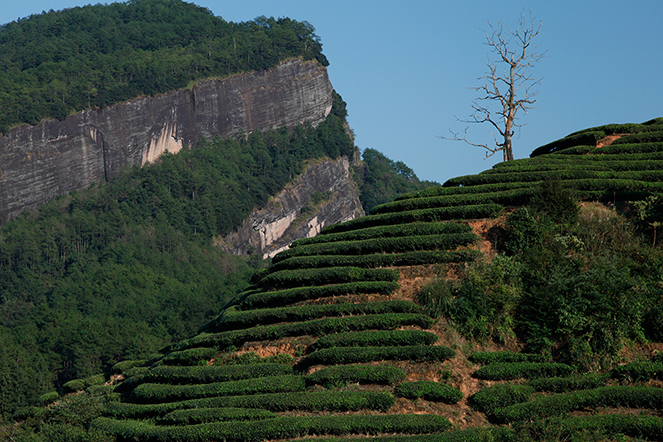
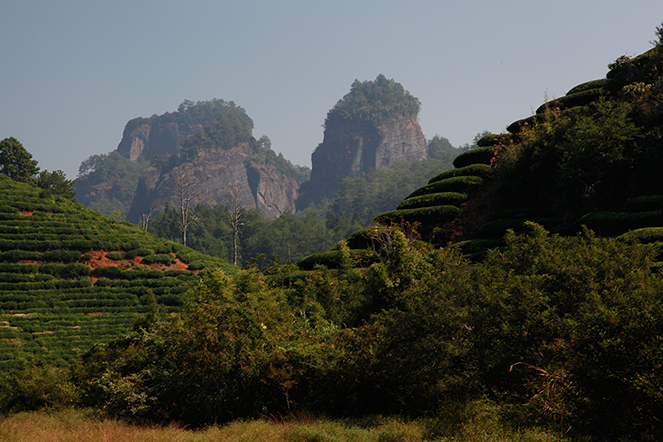
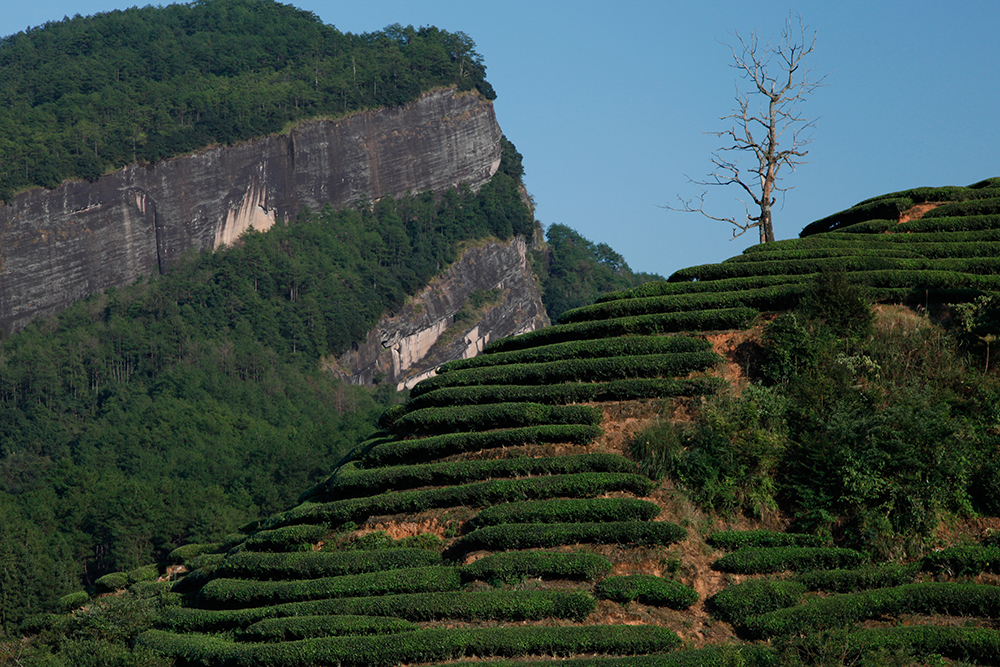
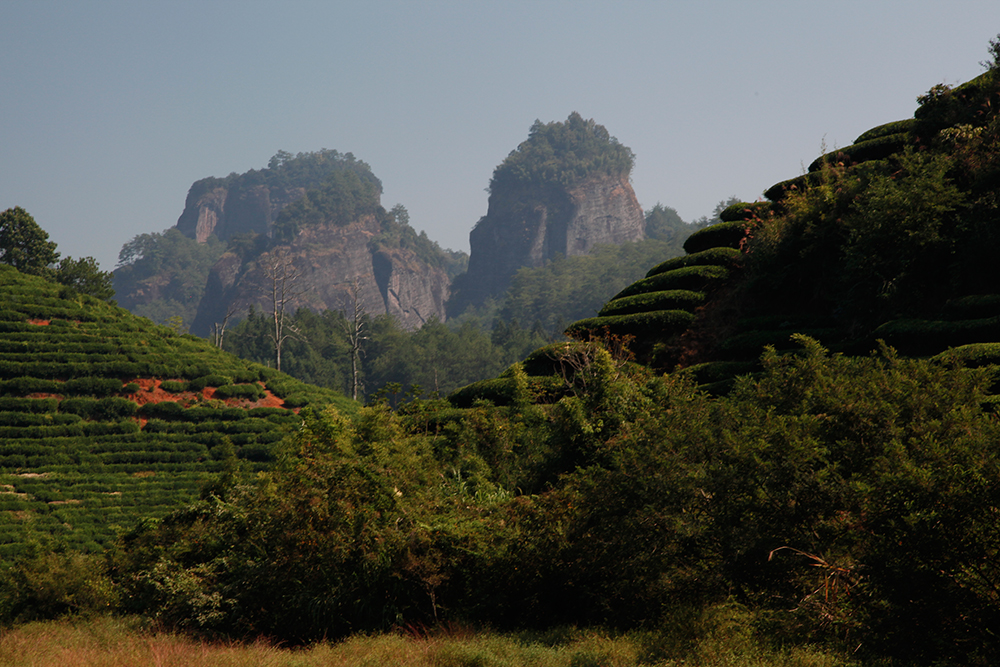
Last week I wrote about “rock teas”, because I had just returned from that region of China. When you ask local farmers where the name comes from, some talk about the fact that the tea must be rocked at a particular stage during the processing. But others draw an analogy between the tea’s smooth flavour, its minerality and strength, and the amazing rocks around which the camellias grow.

Share on Facebook. Tweet this!

Da Hong Pao: a legendary oolong

24 October 2014
Da Hong Pao: a legendary oolong

In China there is a very famous group of teas called “rock teas”. These semi-oxidised teas come from Wu Yi Shan, a mountain range in the north of Fujian province. The best known is Da Hong Pao. You have to taste it at least once in your life to realise what an exceptional tea this is. It has a rare strength and length in the mouth, yet remains subtle. It is fruity, toasted, woody and sweet at the same time.

Share on Facebook. Tweet this!

The origins of “lapsang souchong”

17 October 2014
The origins of “lapsang souchong”

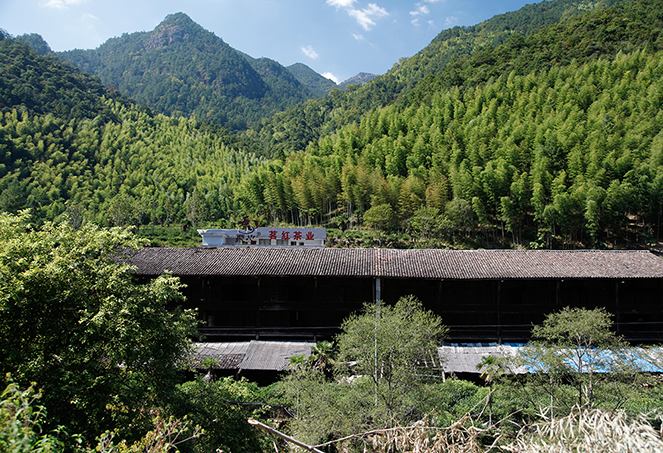
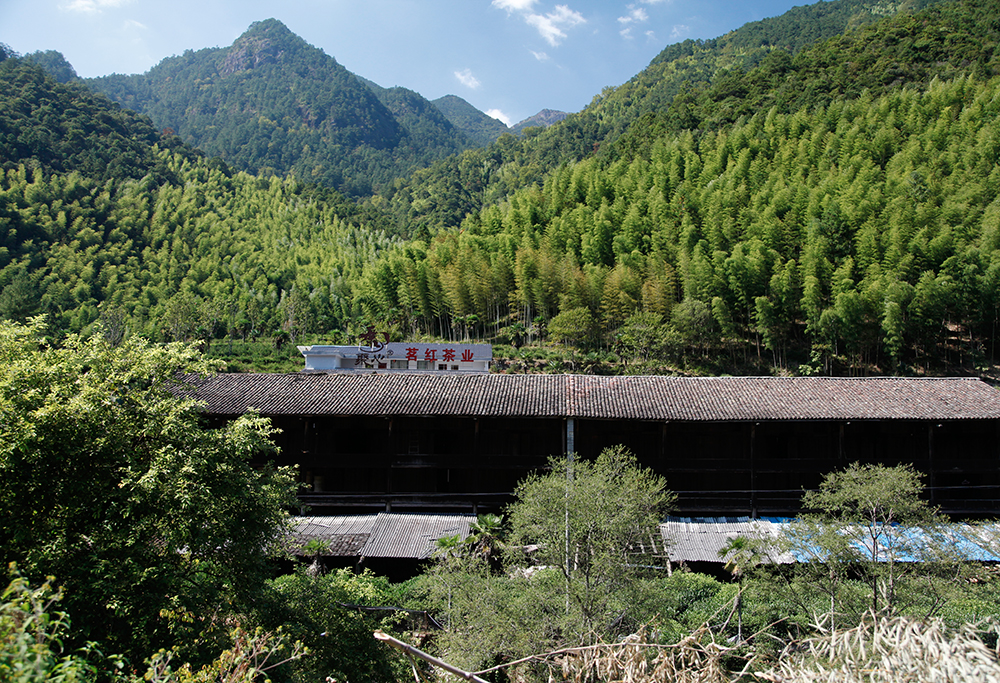
Calling all smoked teas connoisseurs! It is here, in a Chinese regional park in the north of Fujian province, that all lapsang souchongs were produced for two hundred years. The origins of this tea date back to the 19th century, when a high-ranking Chinese army officer requisitioned the tea factory that stood here before this one, to house his regiment, leaving the farmer no choice but to dry his tea outside, over burning spruce roots. Which is how smoked tea came about.

Share on Facebook. Tweet this!

Manual skills are still essential in tea production

12 September 2014
Manual skills are still essential in tea production

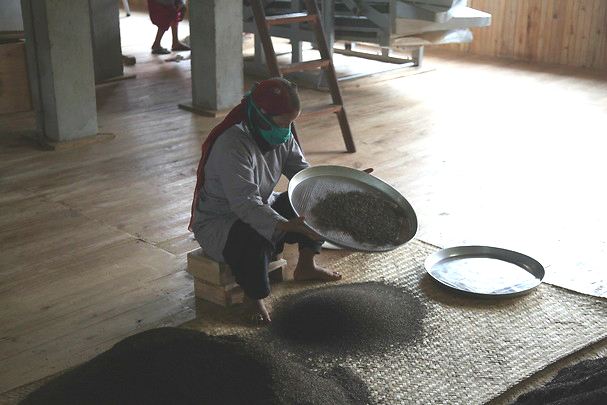
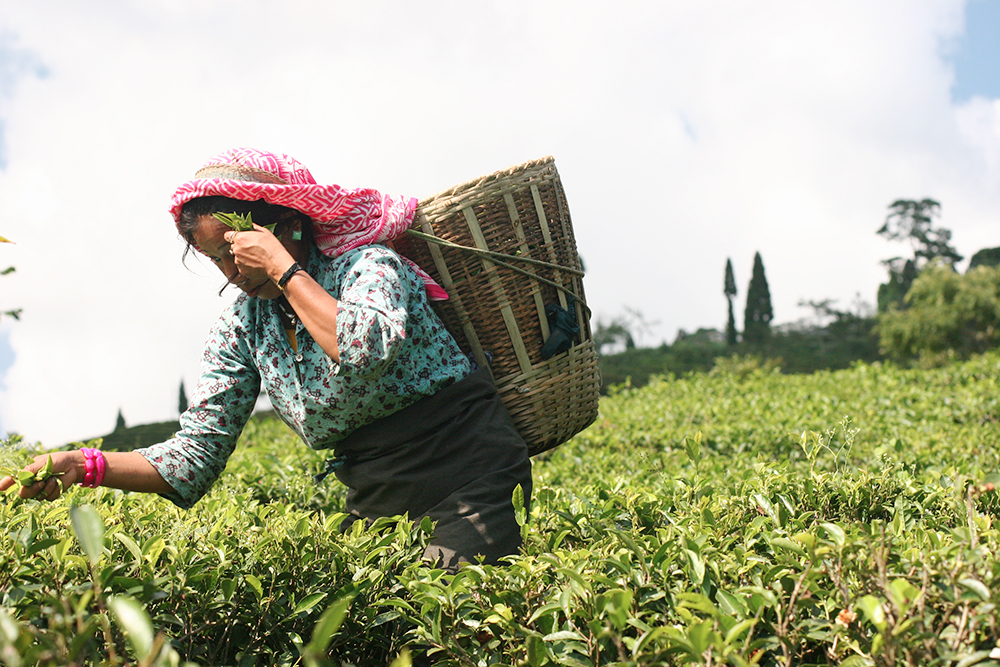
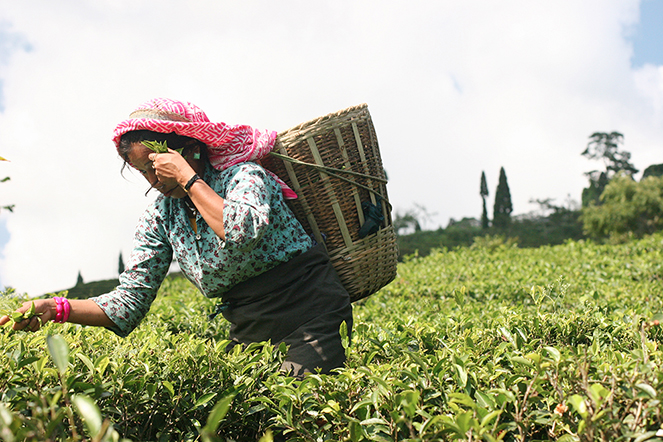
In most tea-producing countries, the best teas are plucked by hand. This means that growing high quality tea often requires the participation of many men and women. Not only is harvesting the leaves a meticulous task, but sorting them just before they are packed and dispatched is also done by hand. The work demands incredible patience.

After rice, tea is the agricultural resource that employs the greatest number of people around the world.


Share on Facebook. Tweet this!

Nepal is leading the way in new teas

8 August 2014
Nepal is leading the way in new teas

Among the “Grands Crus” I’ve tasted in recent months, among the many teas from every part of Asia, I have to say that the ones that have impressed me most are the teas from Nepal. Of course, I have been sent wonderful Ichibanchas, unique first-flush Darjeelings, exceptional Oolongs from Taiwan, and richly aromatic Long Jings. Nonetheless, what is happening in Nepal is unique. In the past decade, this country has been working hard to produce teas of a very high quality. And unlike what I see in other countries, where there is a tendency to perpetuate a highly respectable tradition, here people are trying to develop new teas, work with different cultivars, experiment with wilting and rolling methods, and so on. And often, with success.


Share on Facebook. Tweet this!