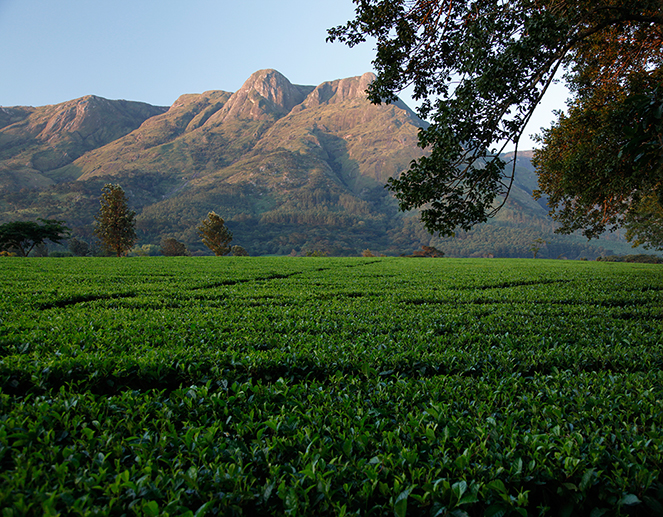
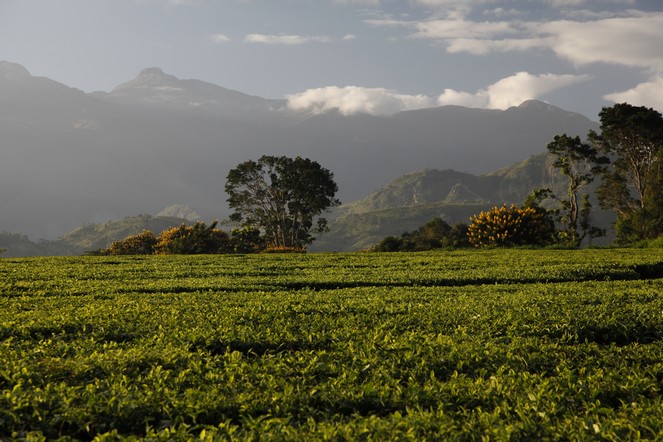
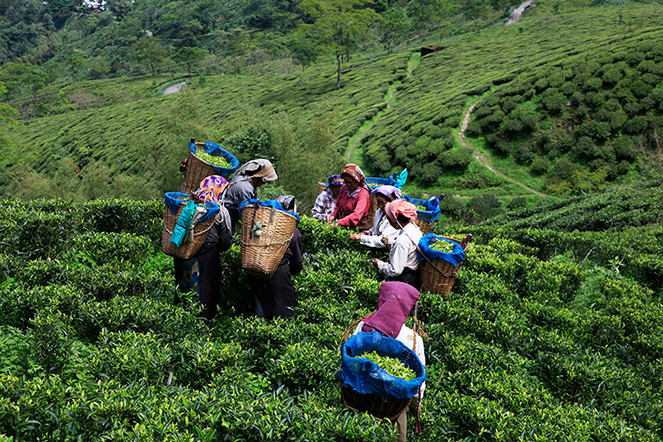
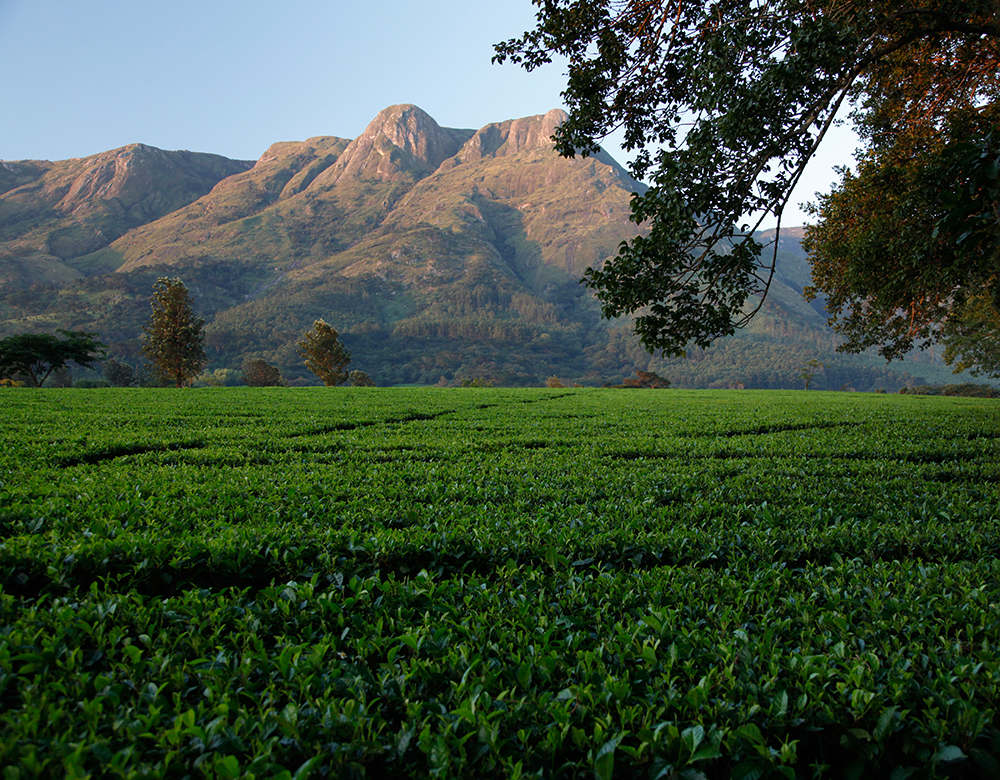
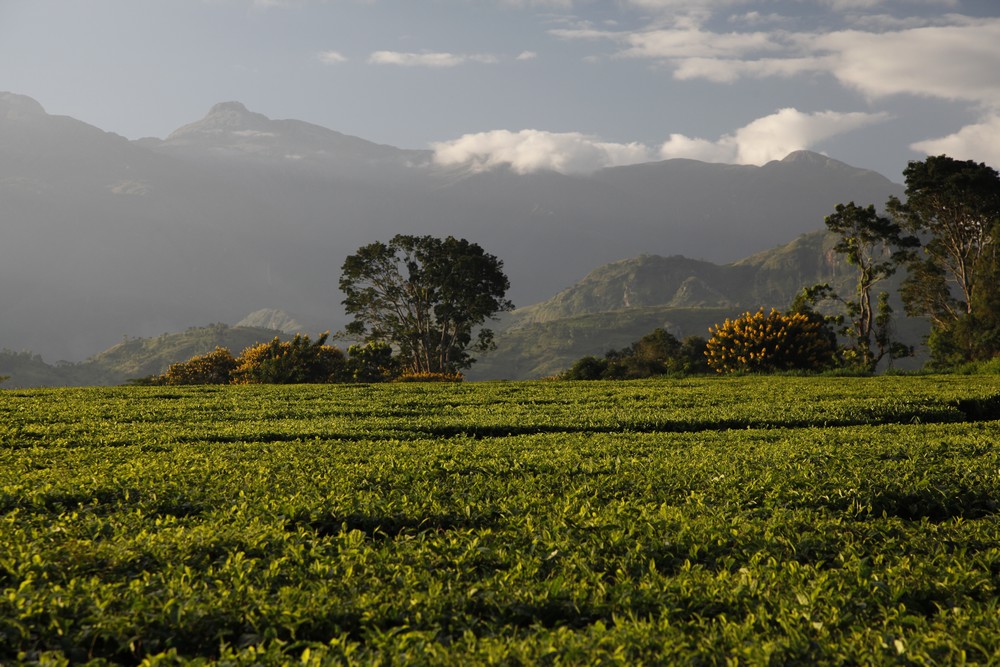
In Malawi, tea grows in the south. We are here at the southern end of the Great Rift Valley, at the foot of Mount Mulanje. They say the views are incredible from the top; I can well imagine it, and intend to make the journey one day. In the meantime, I think the view from the bottom isn’t bad either, both vegetal and mineral. This expanse of green relaxes the eyes. It’s quite an idyllic place to work.
From plant to cup
From one earth to another
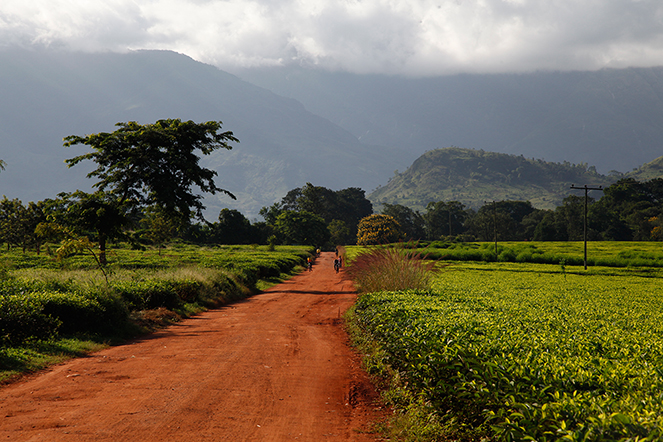
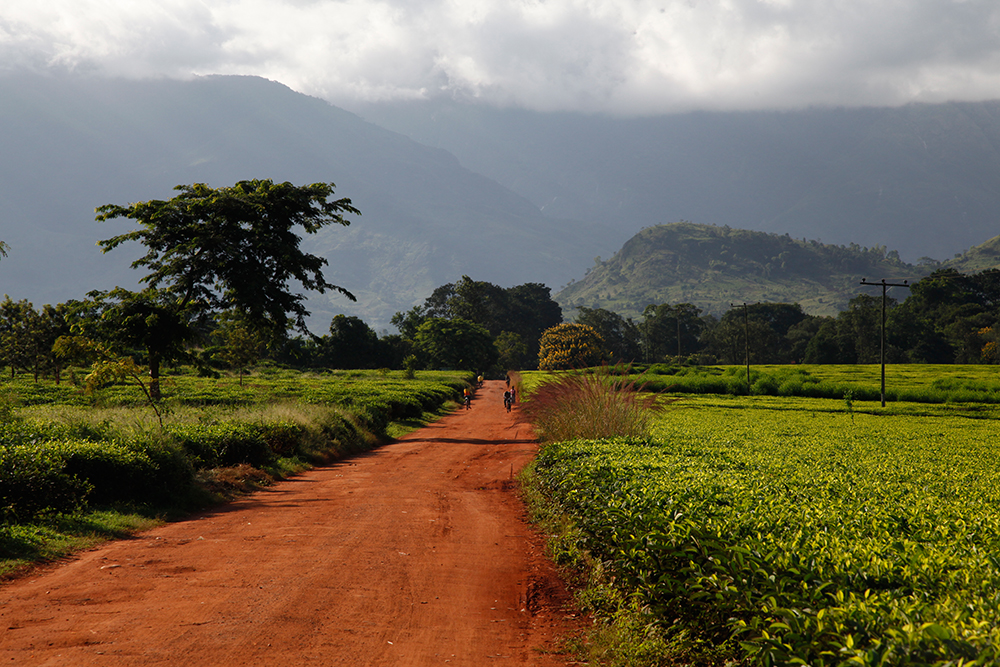
If I talked to you about “terre battue” in French – literally “beaten earth”, the name given to the clay surface of tennis courts – you’d think I was talking about the French Open, taking place at the moment just outside Paris. Not at all. This brick-coloured ground actually makes me think of the tea fields, those of Malawi for example. The path is like a scar cutting through the fresh green expanse of the tea plants. It’s a million miles from the courts of Roland-Garros. And without the crowds. There, silence reigns.
Malawi: a wonderful discovery
An assessment of the 2015 first-flush Darjeelings
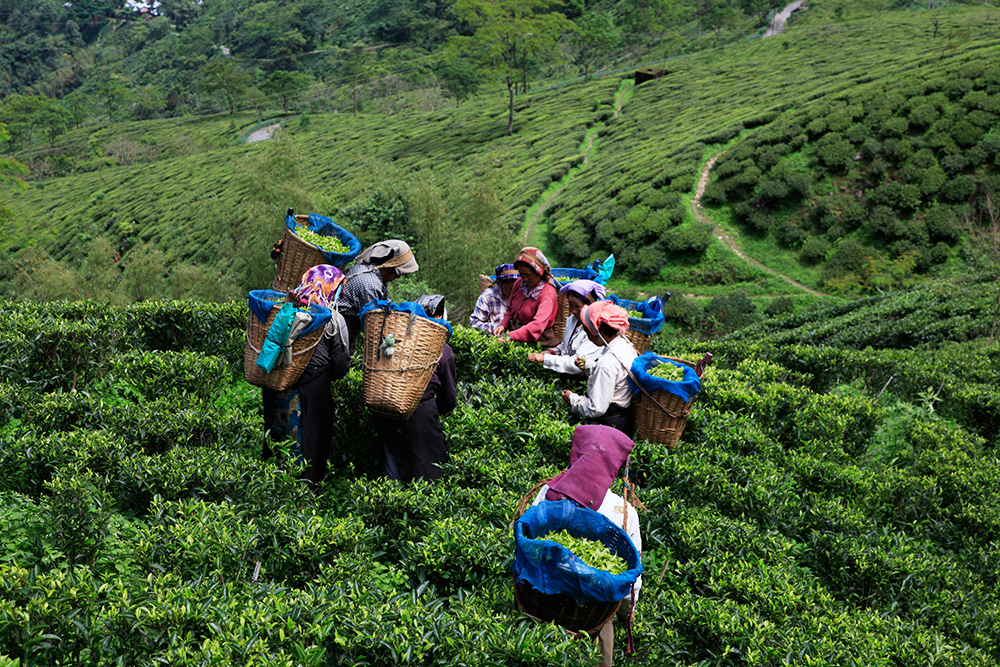
When you harvest the terminal bud of the tea plant several times, the stem becomes stressed and stops producing a new bud. This phenomenon of dormancy, known as “banjhi” in Darjeeling, marks the end of the spring harvest (first flush).
If I had to give my assessment of this season in Darjeeling, I’d say we received batches of very varying quality, and few of exceptional quality. But I’ll conclude on a good note, with the choice of a Puttabong Clonal Queen DJ48 and a Margaret’s Hope Tippy Clonal DJ30. The first represents what Puttabong does best; the second is quite simply breathtaking.
Darjeeling spring harvests
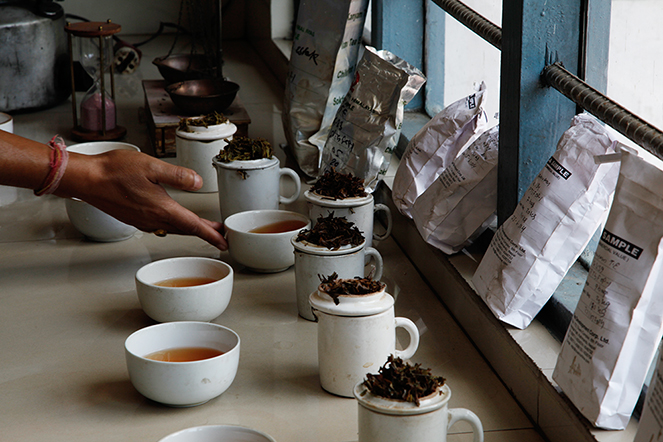
It’s not only the tea plantations that are busy at the moment. Yesterday I received no less than 120 different tea samples to taste. As ever, you need to be quick. If I want to make an offer on one of these batches I must have tasted them all in one or two days at the most. After that, it will be too late.
Of course, I don’t drink all the teas, I spit them out after turning the liquor around in my mouth while I analyse it.
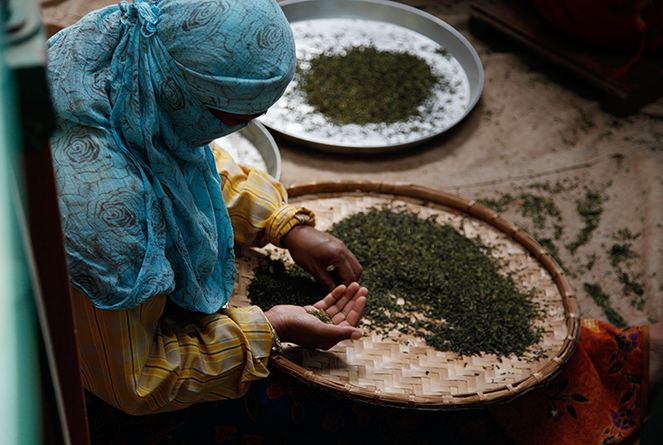
Leaf by leaf
Infusion time for first-flush Darjeelings
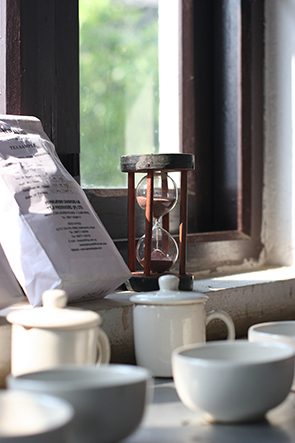
First-flush Darjeelings should be infused for between 3:30 and 4 minutes. The easiest way is to set your timer for 3:45. You have to be accurate when preparing this type of tea. If you want to retain a good balance between the aromatic bouquet, texture and flavour, you must stop the infusion in time. What you need is to give the aromas time to develop, while keeping the astringency and bitterness at a delicate level so they prolong the perception of aromas without overpowering them.
les prolongent la perception des parfums, sans leur faire ombrage.
Tasting the spring teas
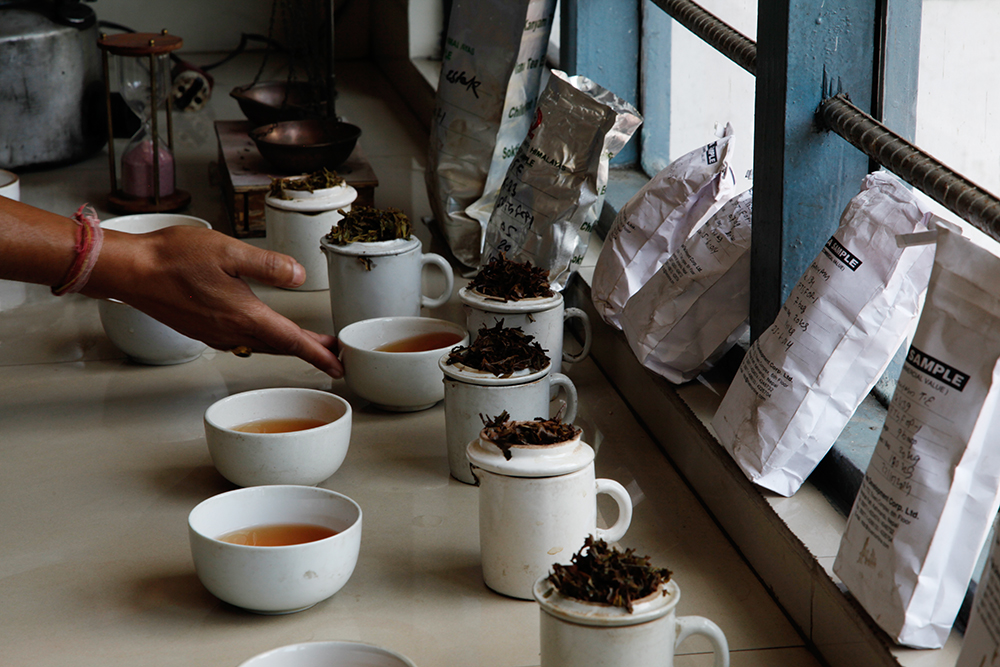
There are many teas to taste at this time of year. From now and for the next few months, I’ll be tasting dozens of teas every day, and up to 100 or 150 at times. I taste them “blind” because I don’t want to be influenced by my friendship with particular farmers. The name of the garden is hidden so that the initial selection is based solely on a sensory analysis. To express my preference, I make this gesture, shared by many planters: pushing the cup gently with the fingertips, palm facing upwards.
News of the first-flush Darjeelings
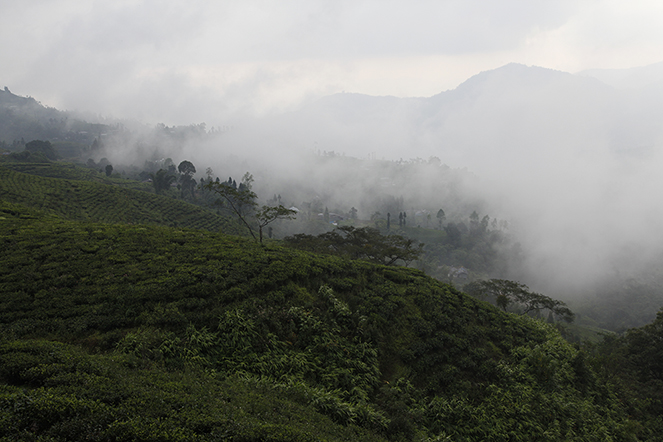
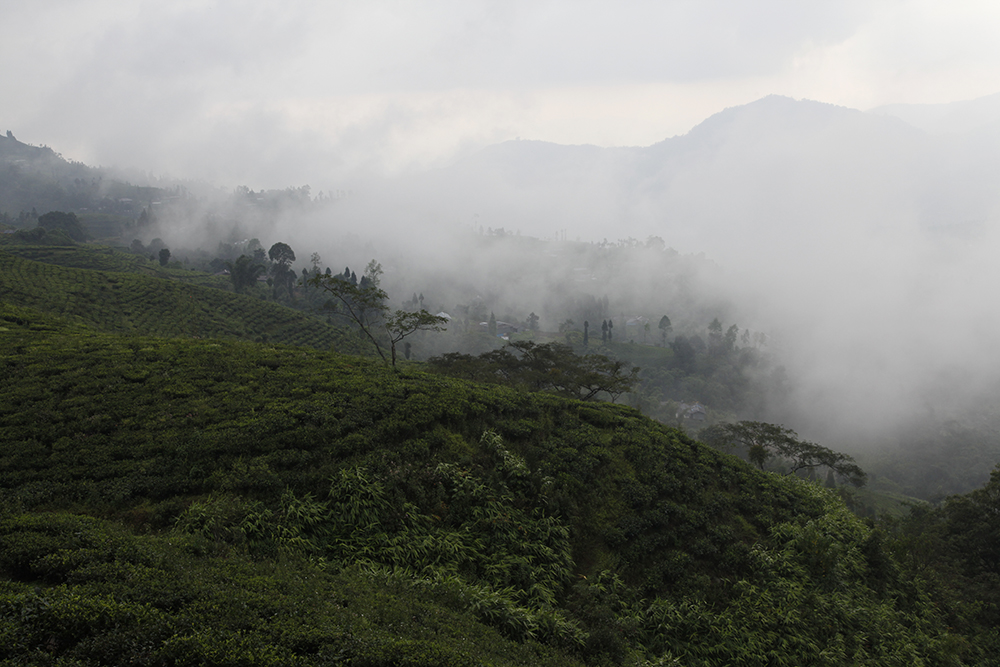
The weather can change very quickly in the Himalayan region. The sun might be shining, then in the blink of an eye you could be completely shrouded in a damp mist. This instability, which is very pronounced in Darjeeling, explains why the first teas of the year are sometimes harvested at the end of February, and sometimes in the middle of March.
I’ve just started tasting the first small batches from the new harvest, and for now they are nothing special. The earliest batches are rarely the best; they come from low-altitude plots.
Hidden garden in China
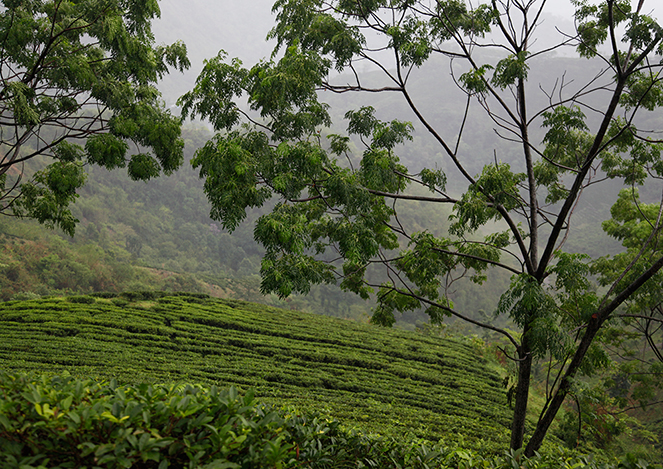
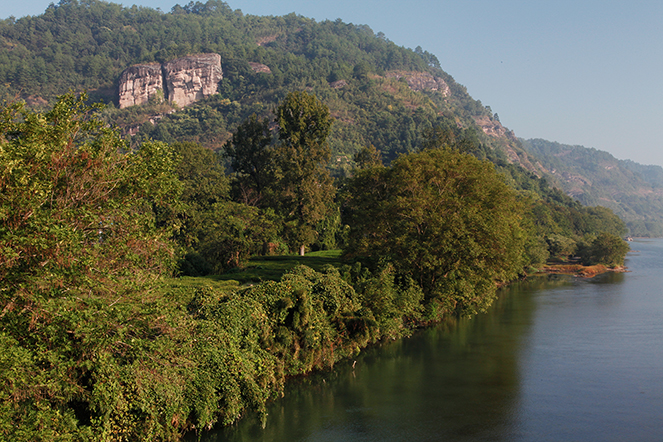
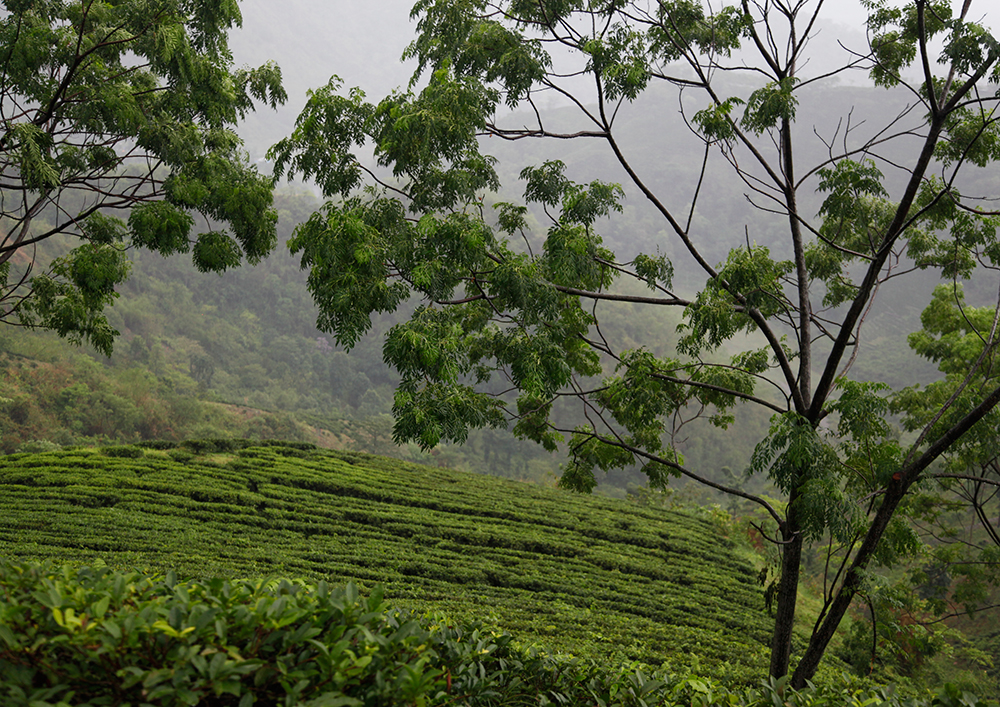
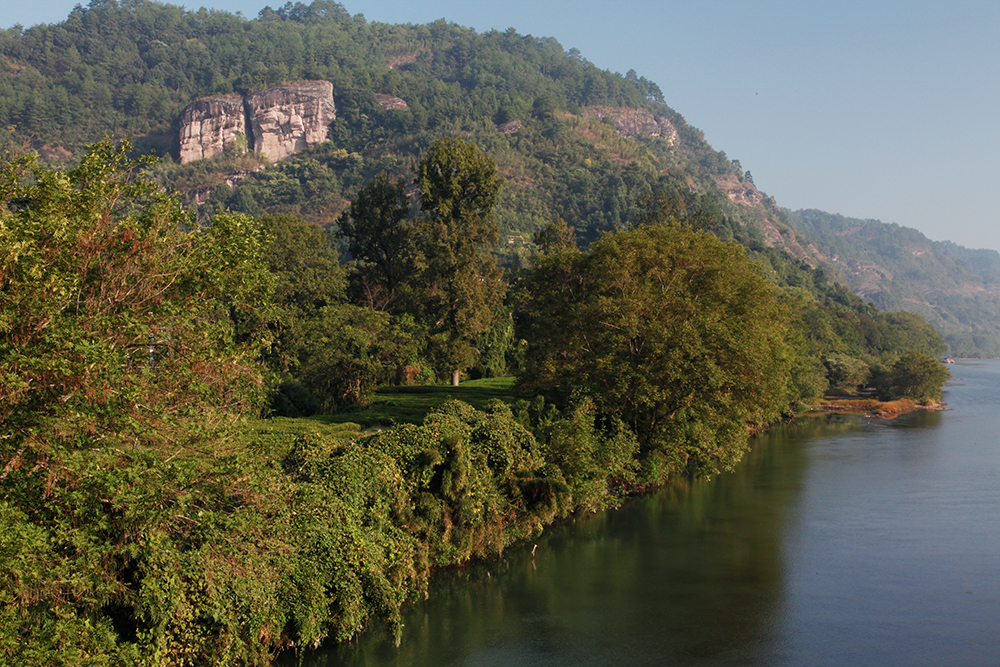
Often I find myself surrounded by mountains covered in tea bushes, and I love these spectacular, grandiose landscapes. But I also enjoy contemplating intimate gardens, discovering a few hidden rows of tea plants, so verdant yet out of sight. This secluded garden that stretches along the riverbank, sheltered by large trees and overlooked by rocky outcrops, is situated in the Wuyishan region. If you are in this part of China, you too may be able to spot these beautiful shrubs growing in the middle of the countryside.