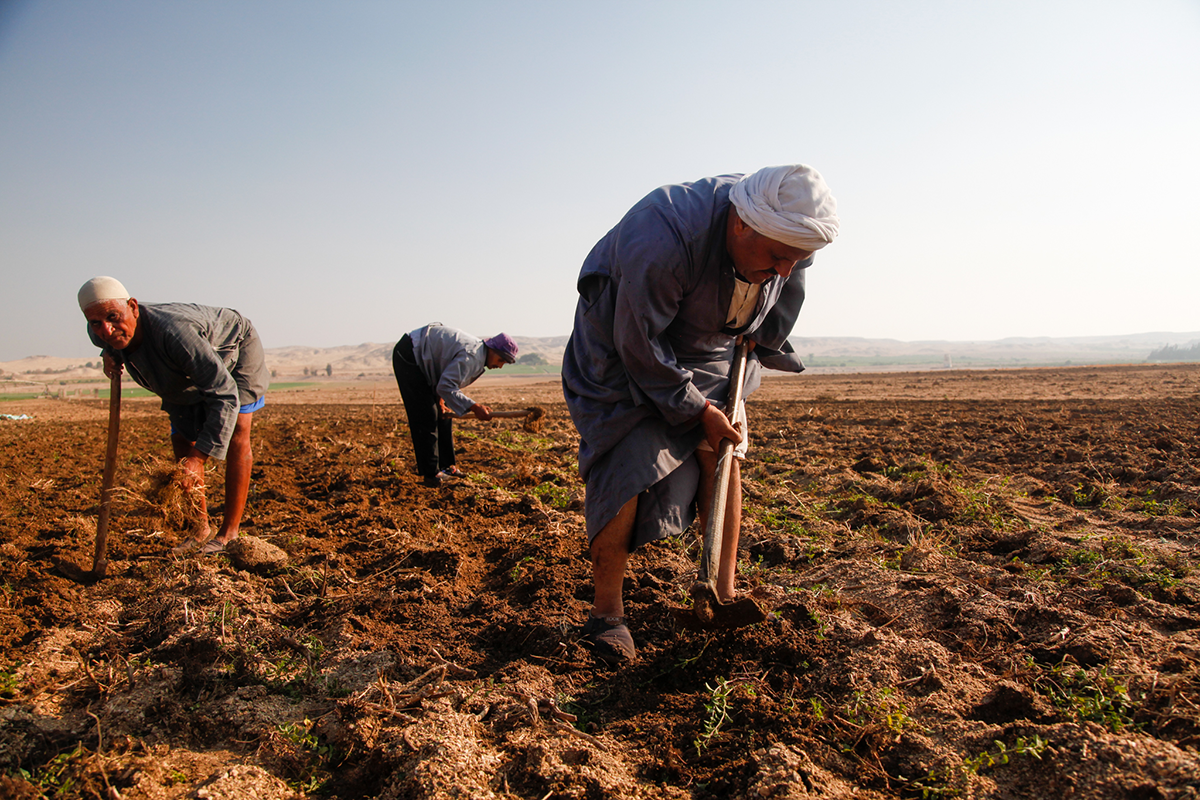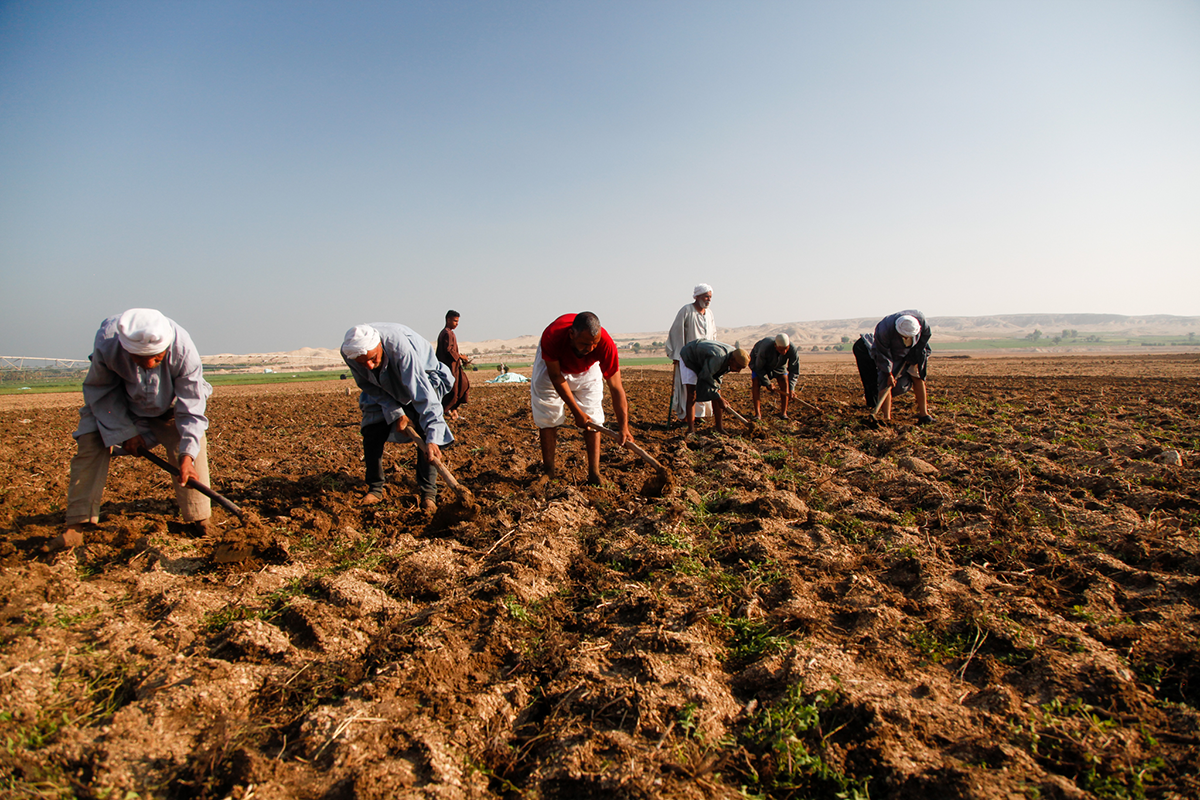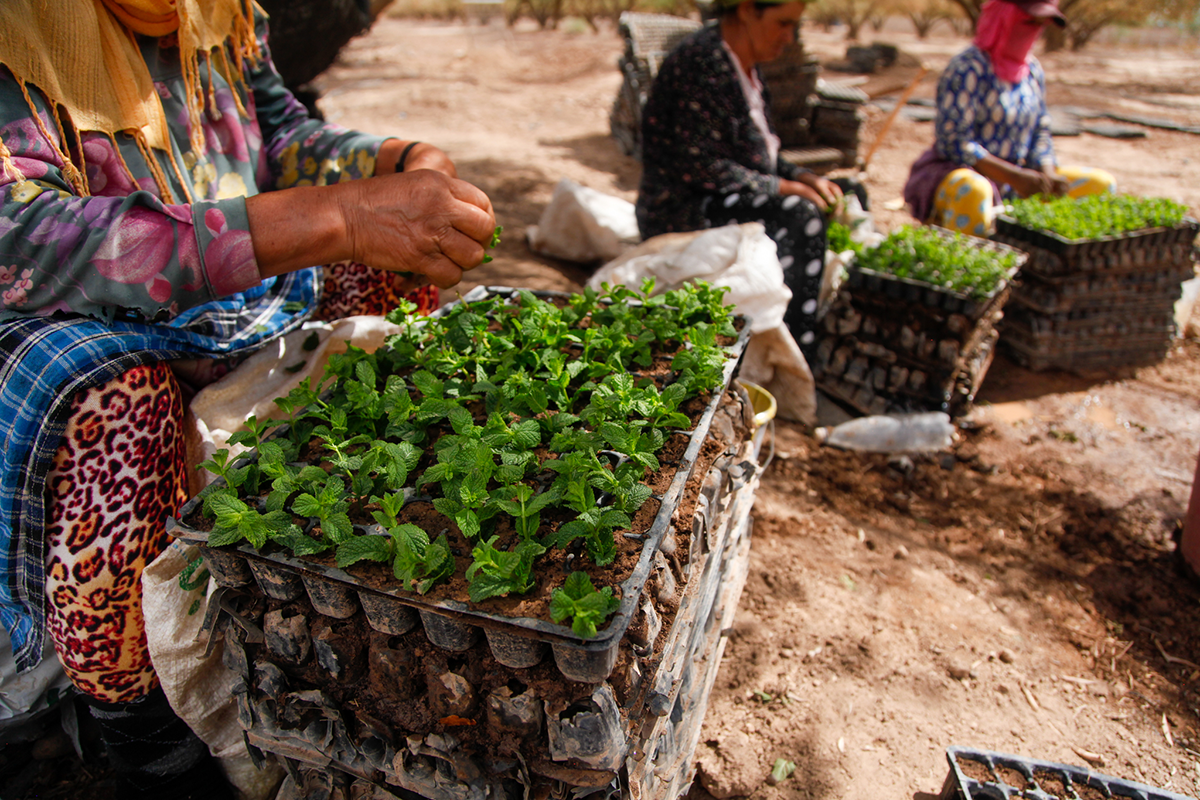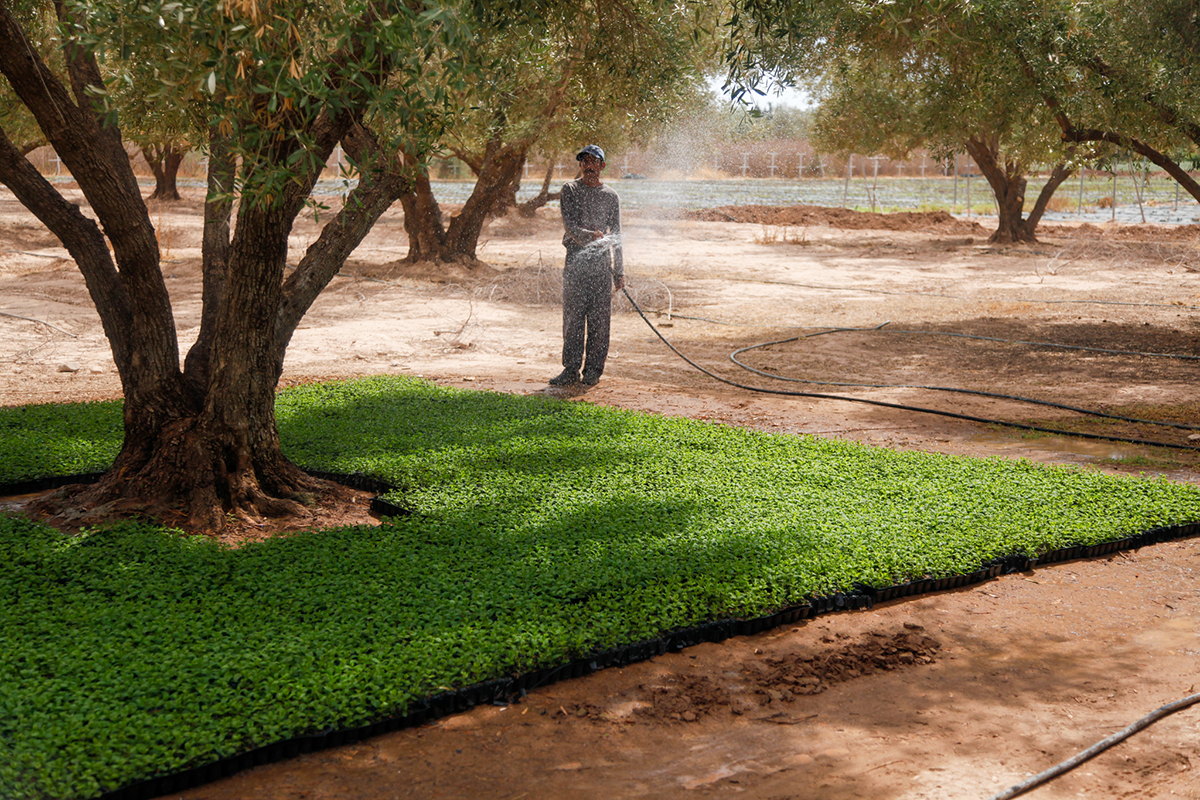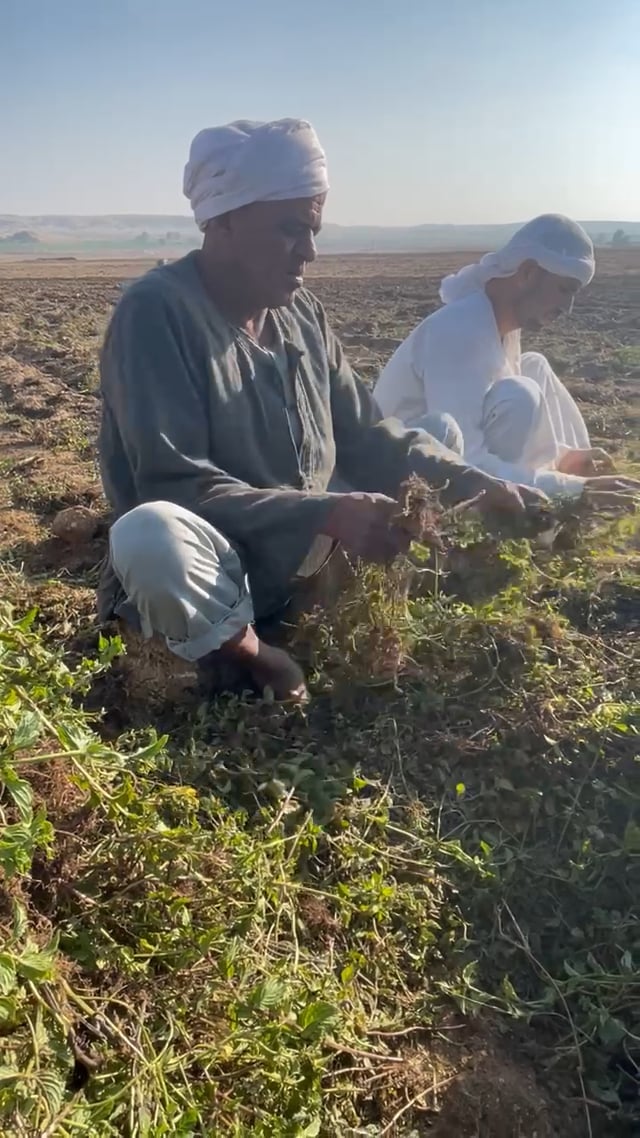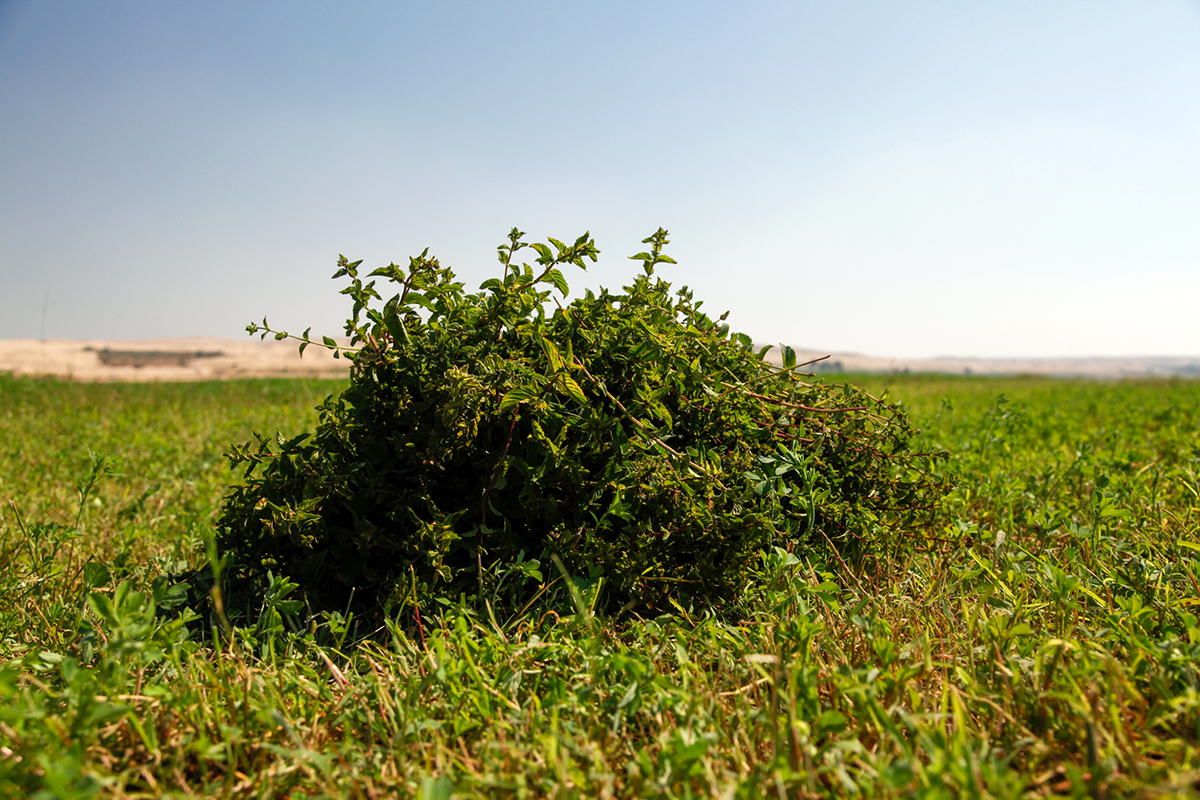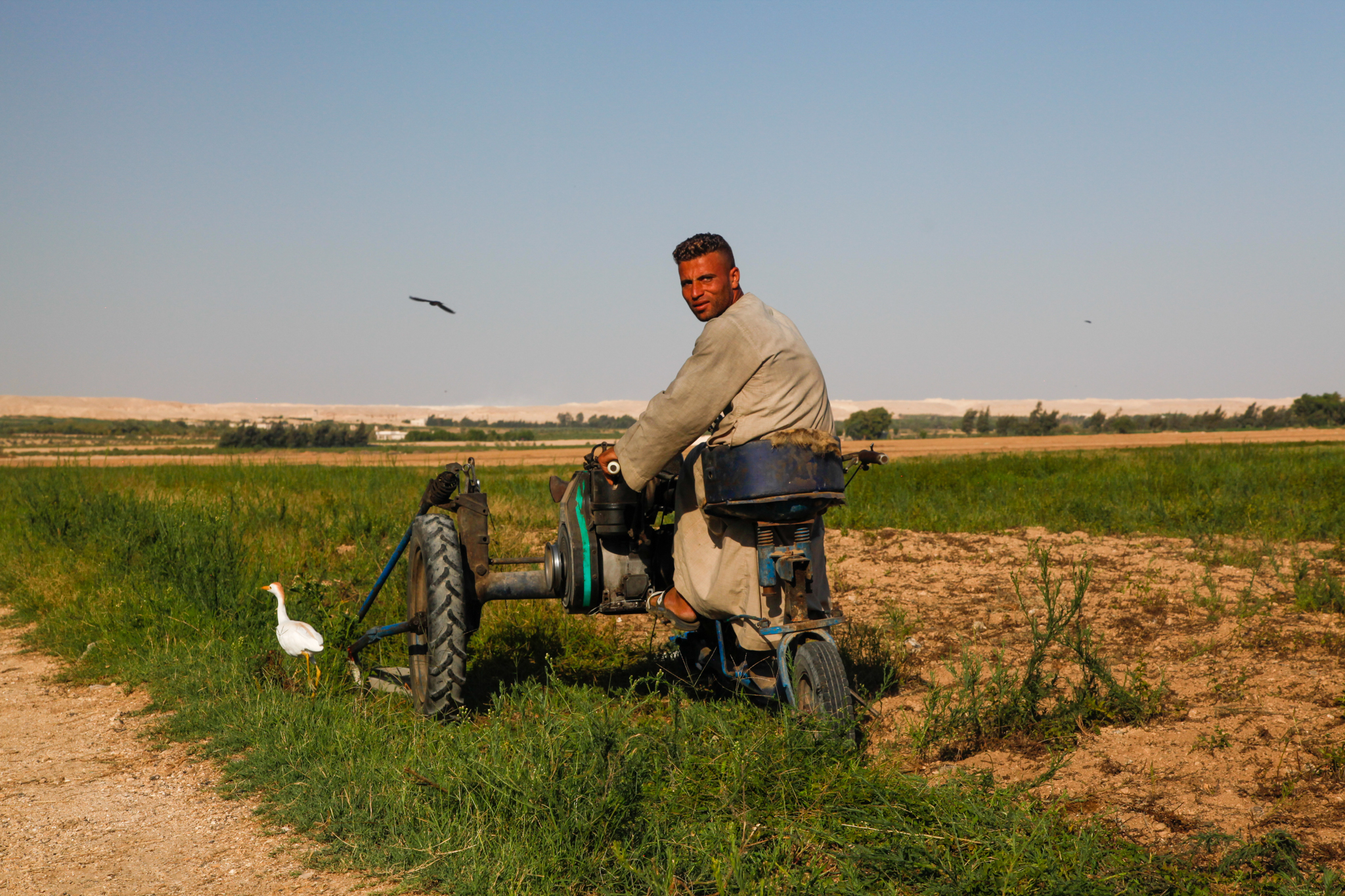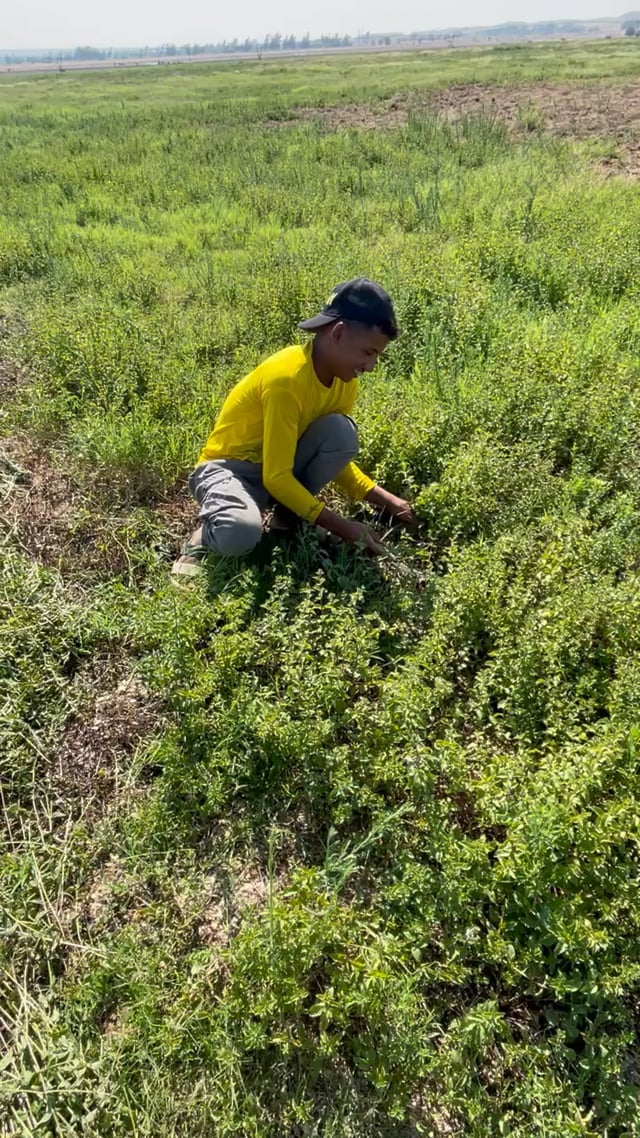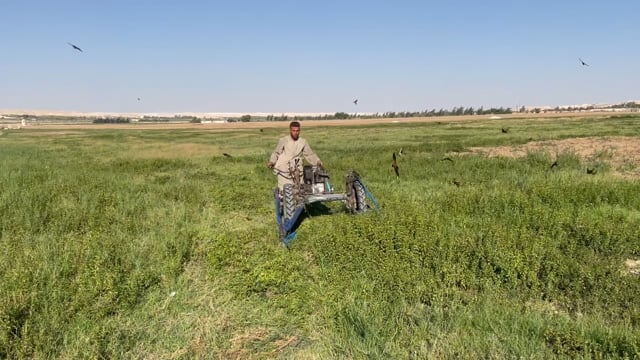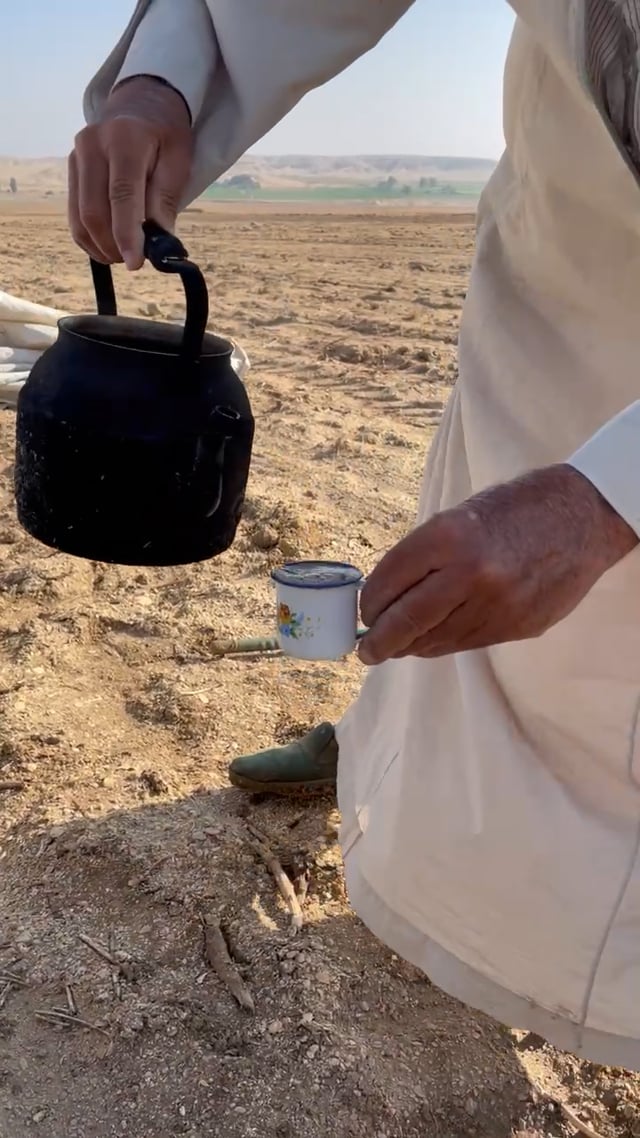
Taking a tea break can be beautifully simple. Here in the Egyptian desert, during the mint harvest, the workers gather a few sticks of fig wood and heat the water in a basic kettle that also serves as a teapot. A few minutes later, everyone savours the pleasure of being together.
A summer break from green to blue
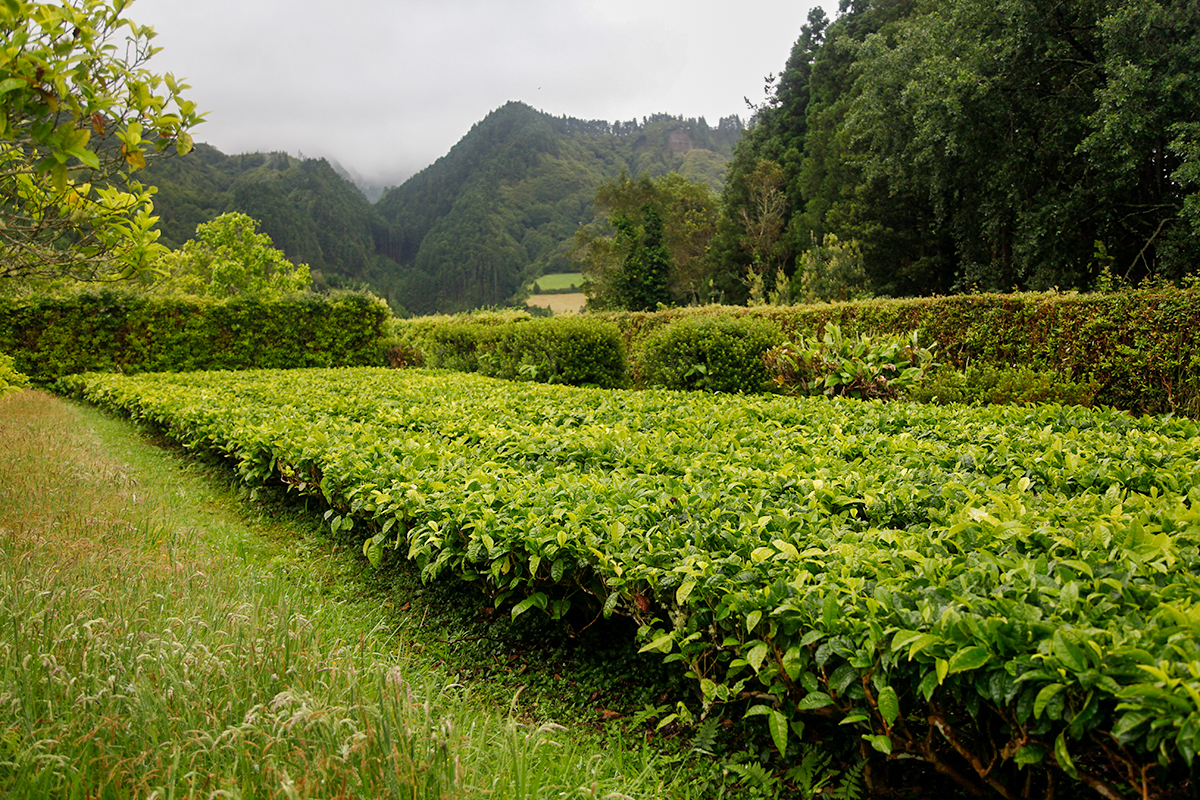
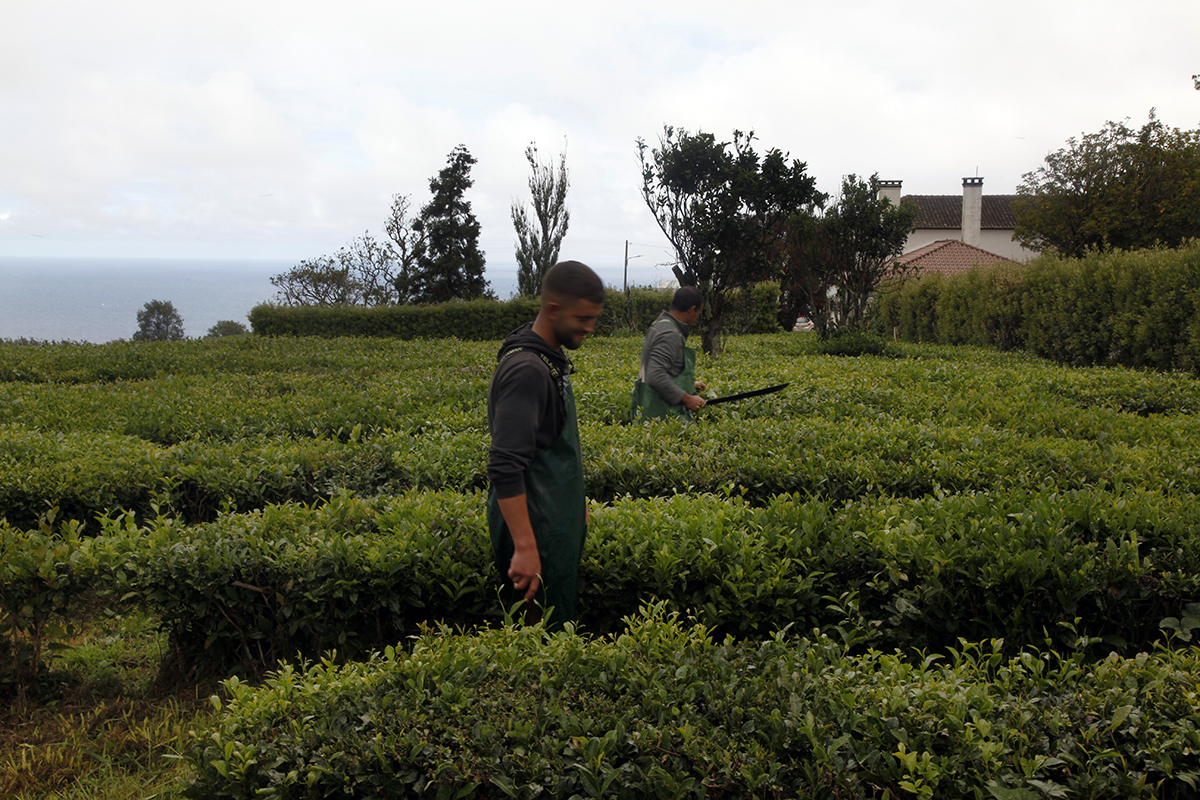
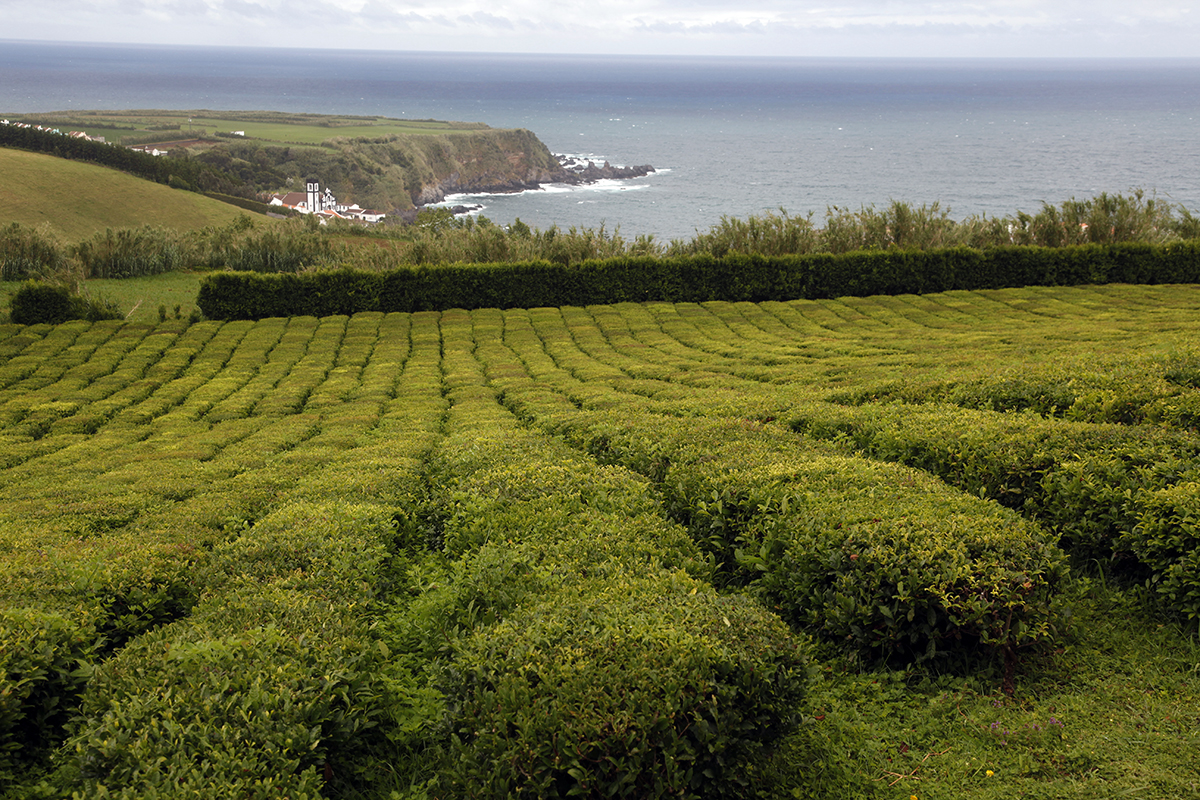
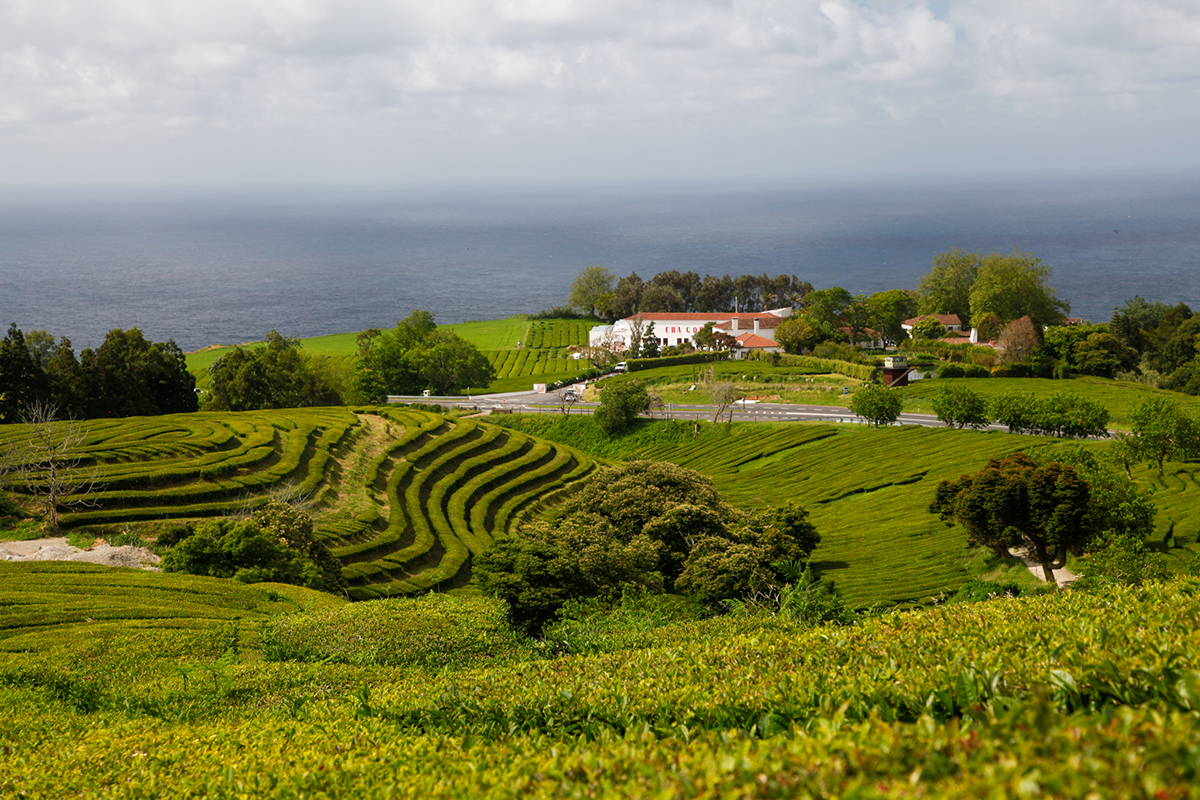
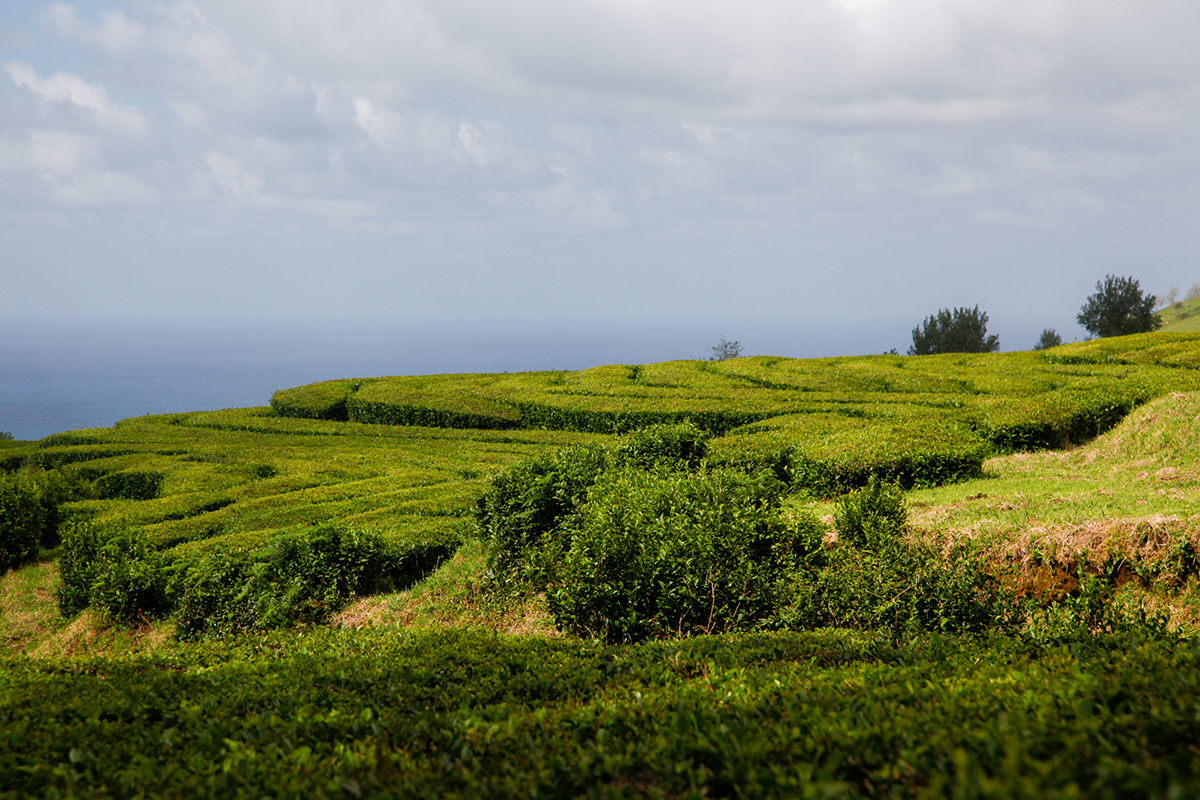
Some tea fields overlook the sea, their green merging into blue. You see this in Japan, for example, as well as in other places around the world like here in the Azores. The blue of a lake that has formed in an ancient crater also makes me think of getting away. I’ve been surrounded by green for most of the year, and now it’s time for me to take some time off I’ll be replacing it with blue. Whatever the colour, I wish you a happy summer and I look forward to being back with you at the beginning of September for new journeys and adventures.
Gorreana and Porto Formosa
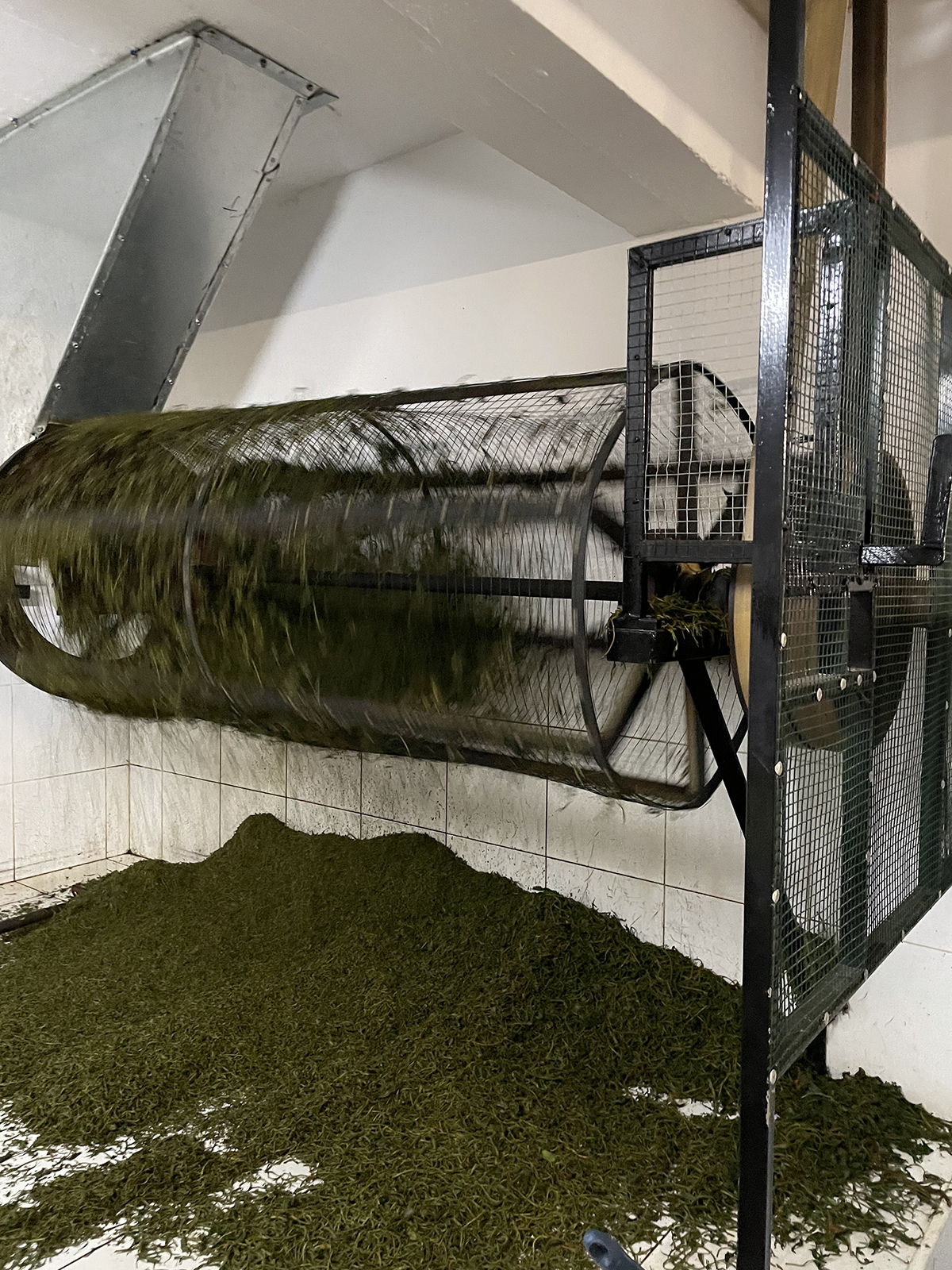
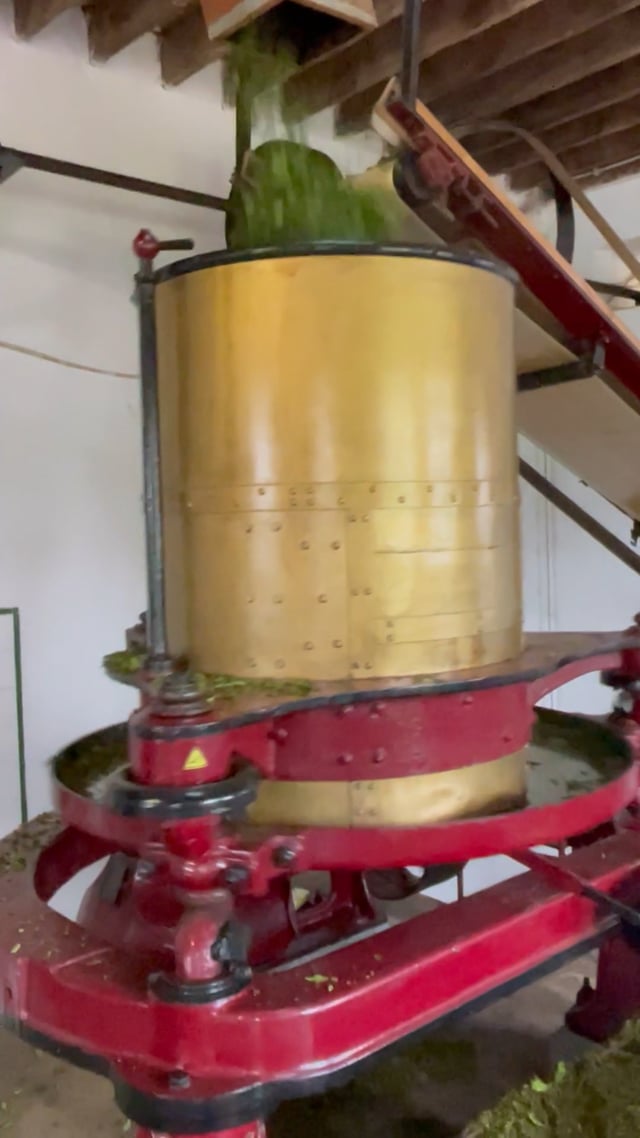
There used to be fourteen tea plantations in the Azores; today only two remain. Gorreana is an institution and tourists flock to the factory gates. Everything is original, and it’s not often that a European gets to see the various stages of tea production at first hand. Not far from there, Porto Formosa also welcomes tourists and, as is often the case in the Azores, offers a superb view of the ocean. These old factories mainly produce black tea, but also some green tea. The leaves are harvested by machine. As for the quality of the teas, let’s just say that they are very popular with visitors, who can relive their amazing vacation on this beautiful archipelago every time they brew a cup.
Tea in the Azores
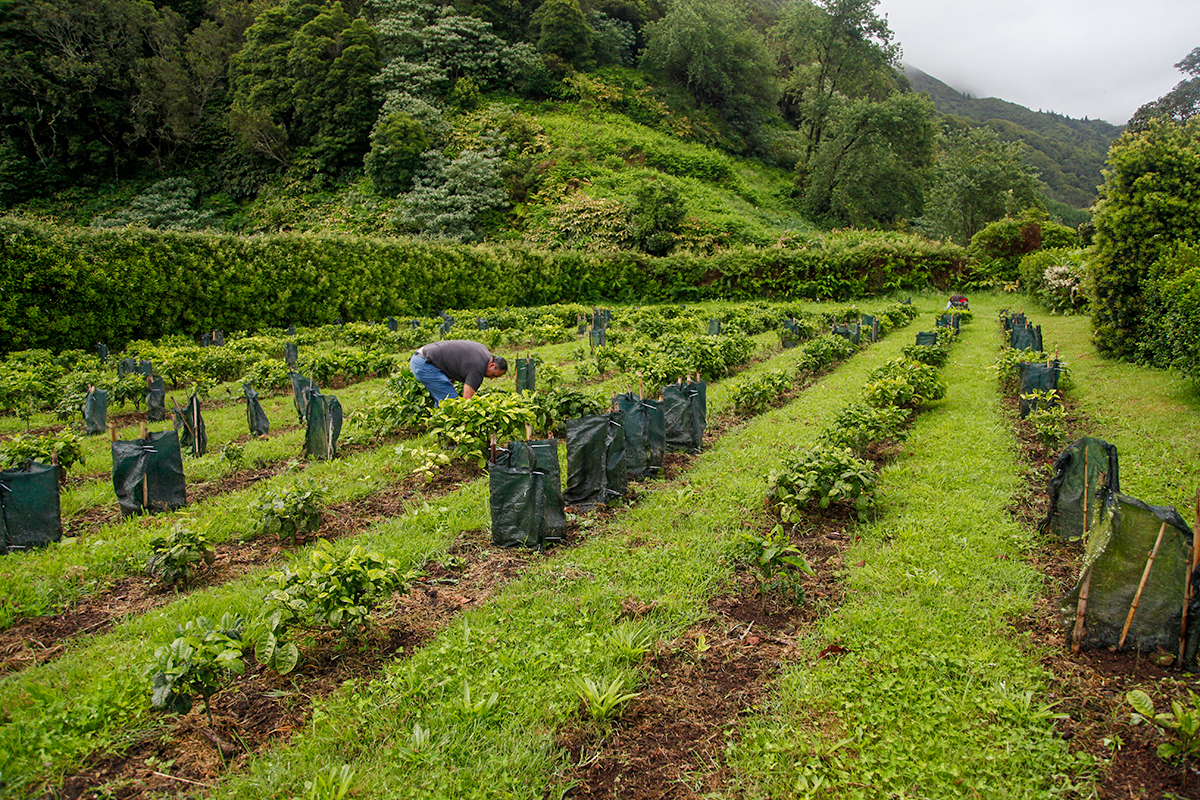
Tea has been grown on the island of São Miguel in the Azores for over a hundred years. It has a hot and humid climate, acidic volcanic soil, and a mountainous terrain. That’s all it takes for the tea plant to feel at home here.
When will we see a tea festival in Bayonne?
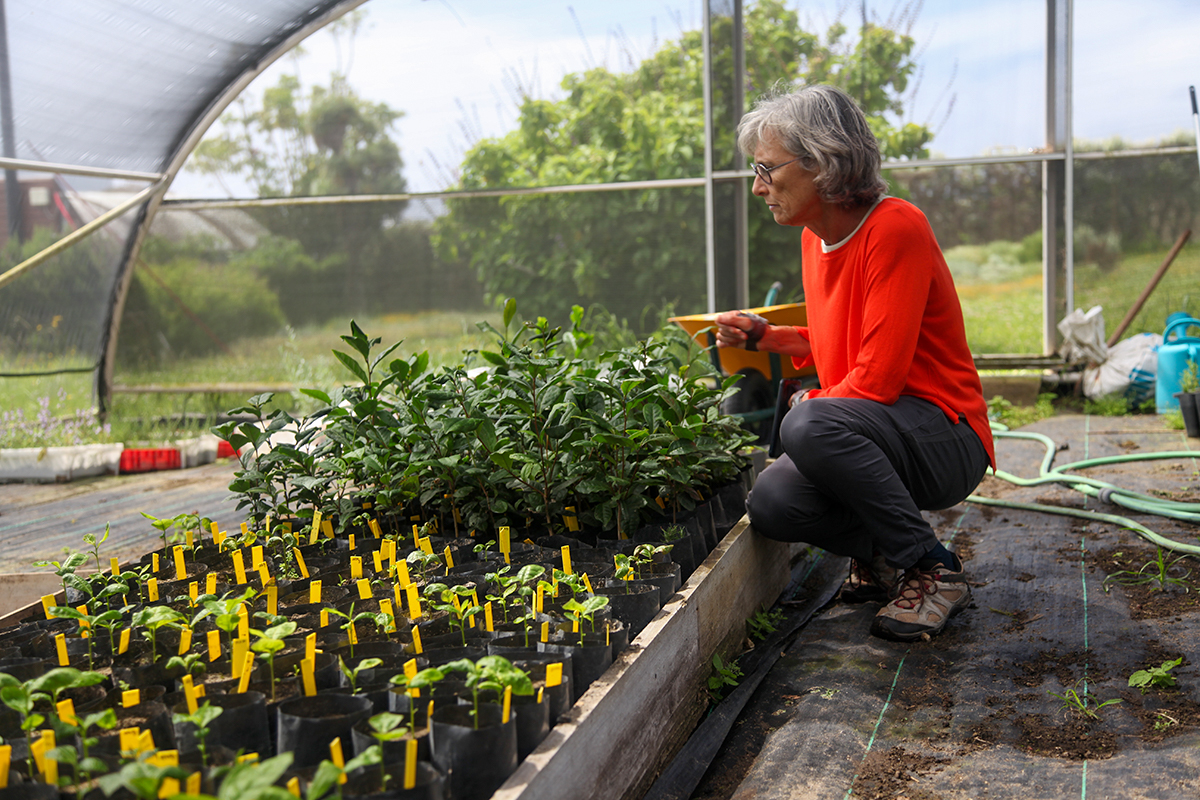
Yves Ugalde is the deputy mayor of Bayonne and a fine writer. In his amusing account of the opening of Palais des Thés’ Bayonne store, he says he approached this new product offering in the city with a certain reluctance, “if only because I was afraid of being met by some high priest of the post-Covid world spouting all the vegan, meat-free marketing claims beloved of urban eco-warriors, of a world in which the digestive tract is gradually transformed into a temple”. I’m delighted by his account because it is Palais des Thés’ mission to rid tea of its clichés and to guide each person towards easy-drinking teas or rarer vintages depending on their tastes, just like a wine merchant does. And what a pleasure it is to read that Mr Ugalde is now willing to adopt a different stance towards Camellia sinensis, especially as there are some very serious attempts being made to grow it in this beautiful Basque region. Between the Nive and Adour rivers they already celebrate ham and chocolate with festivals – isn’t it time they had one for tea?
Trains and tea fields
Darjeeling isn’t the only place with a “toy train”. The one that links Colombo to Badulla often winds its way through tea fields during the ten-hour ride, and the views are appreciated by the tourists and many Sri Lankans who use the line. Unfortunately, the island is now experiencing severe economic and political turbulence. Let’s hope that this beautiful country, which has endured war for several decades, will move definitively towards better days, for the benefit of its inhabitants and many visitors.
Different practices
You might think that the rules that define the colour of a tea are strict, but this isn’t always the case. Here in the Golden Triangle, the fashion is for Mao Cha, the tea that serves as a base for the various fermented teas known in this part of the world as Pu Erh. Some people let the Mao Cha wither overnight before fixing it with heat, rolling it, then leaving it in the sun for a day. Others, as soon as the leaves are picked, fire them in a wok for about ten minutes before rolling them by hand and leaving them to dry for five to six hours in the sun.
Being Useful
When I buy certain teas I have a strong sense that we’re helping a community. I feel that the money paid for the remarkable work that goes into making a great tea will be shared fairly and won’t just benefit one individual. When I visit a plantation I often ask myself: if I pay twice as much for the tea here, who’ll get the money? In some cases I have an intuition that the money would only go to one person or a particular group of people and that the pickers themselves wouldn’t get any extra. In other places I feel certain that our gesture will be shared. That the whole village will be able to congratulate itself for having made such delicious teas and that every effort will be made to make more. And in these situations I have a strong sense of how we’re helping. Here in Nepal, the team from Palais des Thés is meeting the team at the Norling factory. You’re supporting the whole village when you buy their superb tea. (photo : Anna Galitzine)
Dara’s maocha
Travelling is about meeting people. Last week, I was very happy to meet Dara in the mountains of northern Thailand. Dara’s father, whose family comes from Yunnan (China), fled Kunming at the age of 15 accompanied by his younger brother, and came to the city of Pai. That was in 1938. He was escaping misery. He knew about tea. He felt the right feng shui in Fang and settled there. Dara is passionate about tea and makes a delicious maocha from leaves picked from old tea plants. Here, she’s posing with Mie, her friend with whom she shares her life.
Among the Karen people
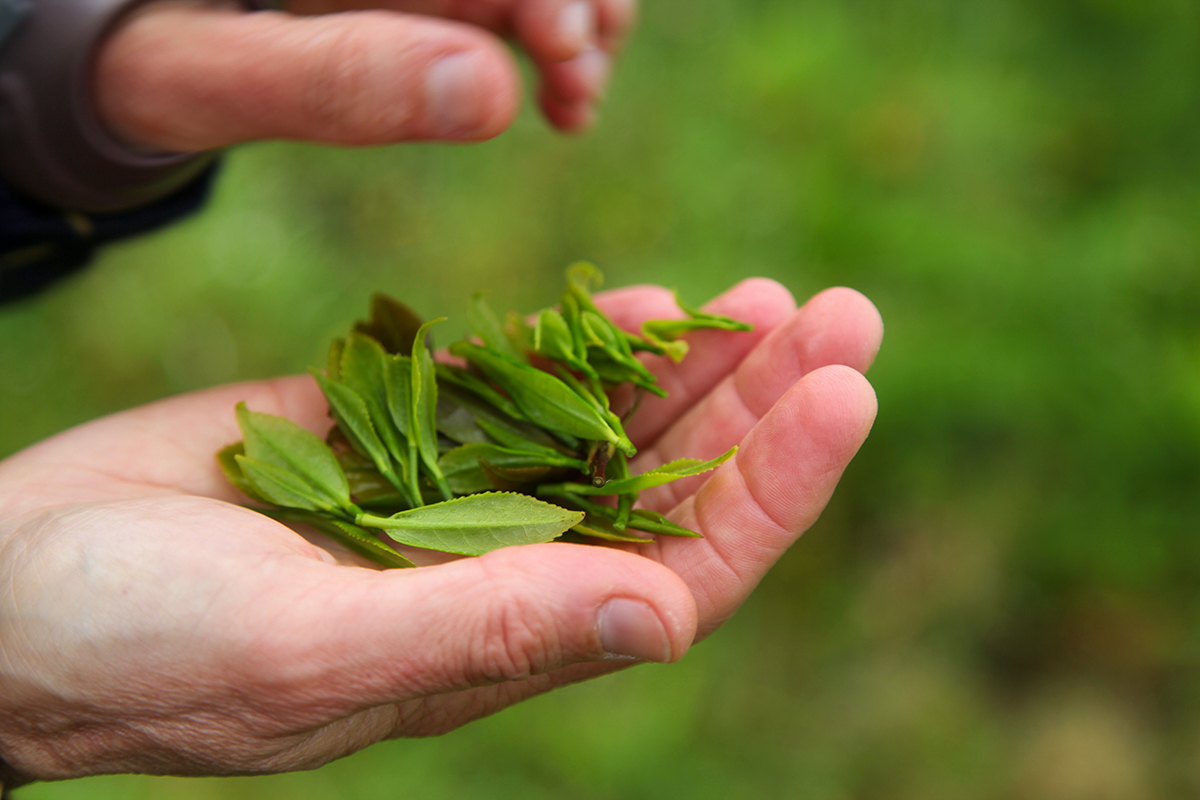
It is not only in China and northern Vietnam that tea leaves are harvested from camellias that have grown tall. In the north of Thailand, a few kilometres from Myanmar, this woman, who belongs to the Karen ethnic group, picks young shoots from old tea bushes that are flourishing in the jungle. These will be used to make maocha, which is then turned into dark tea.