Huyro tea

27 January 2023
previous arrow
next arrow
Slider

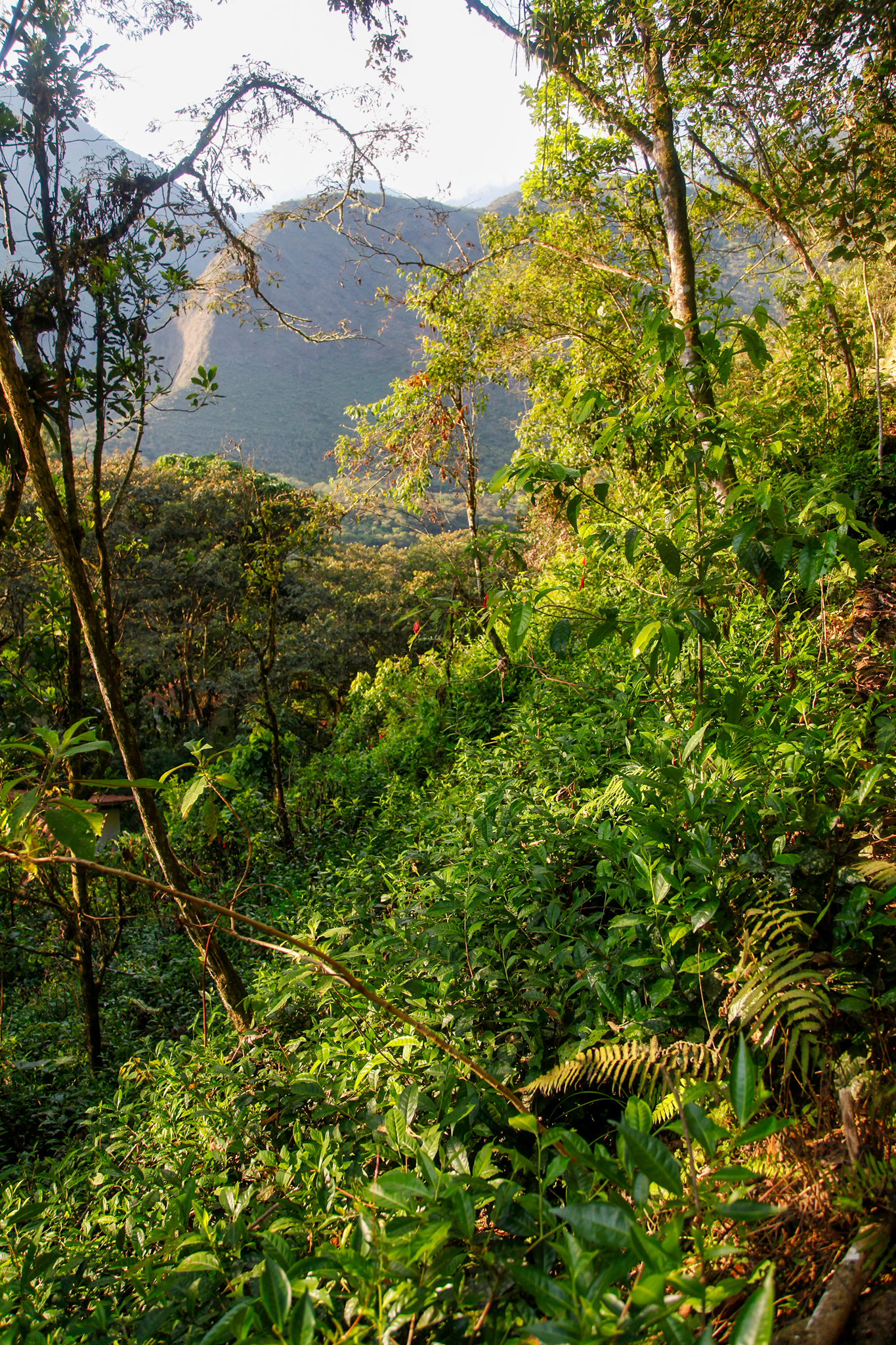
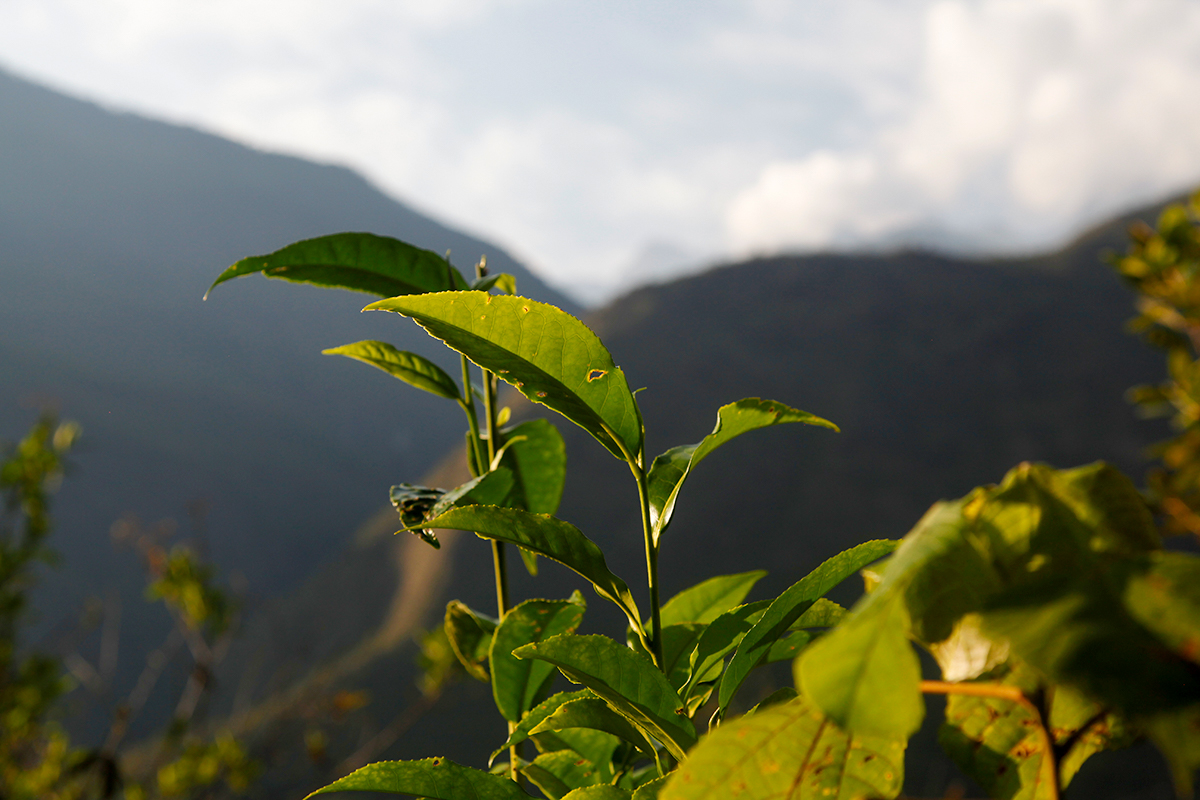
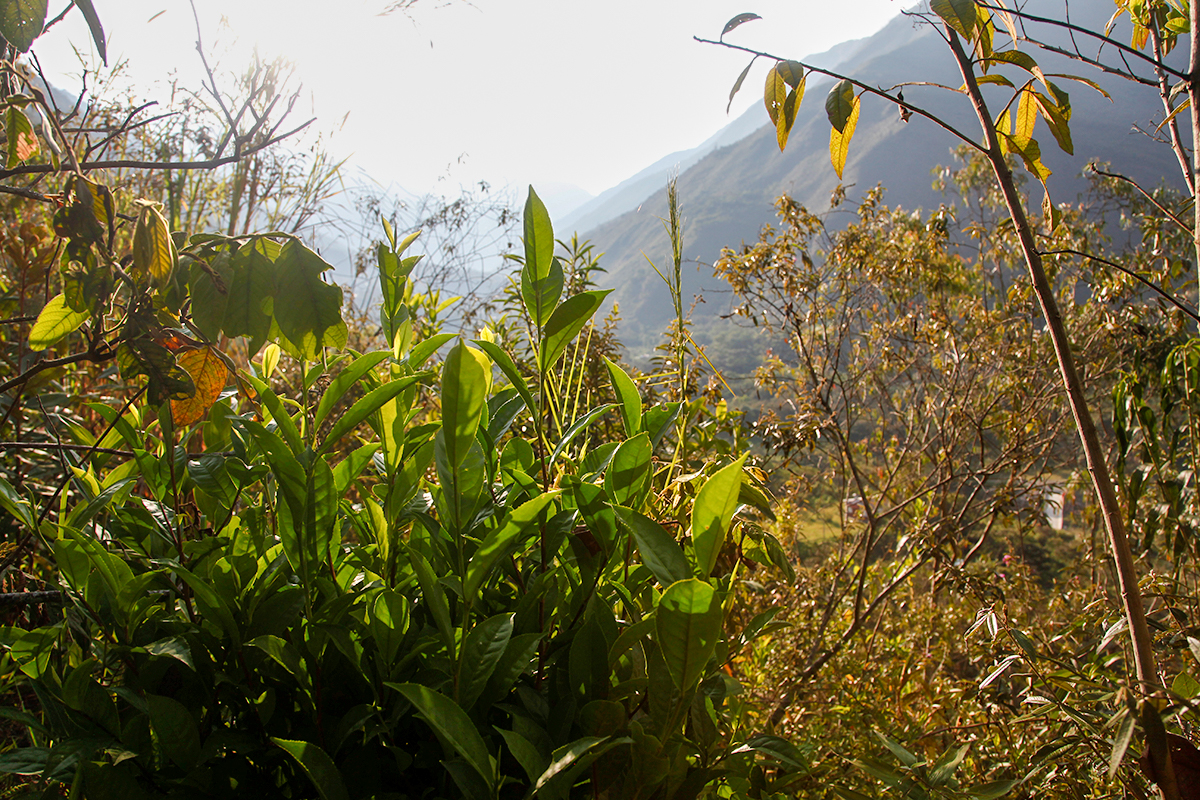
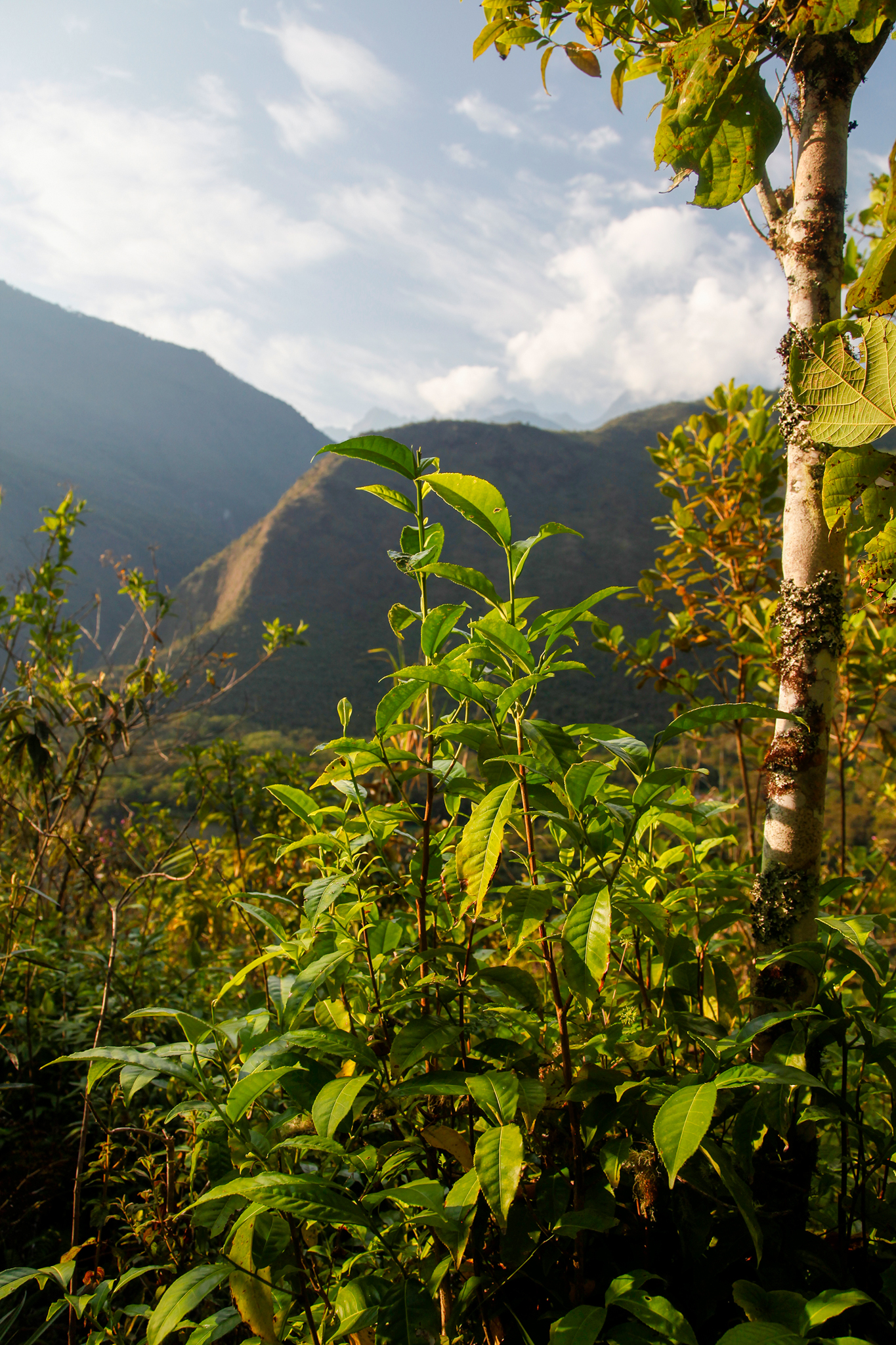
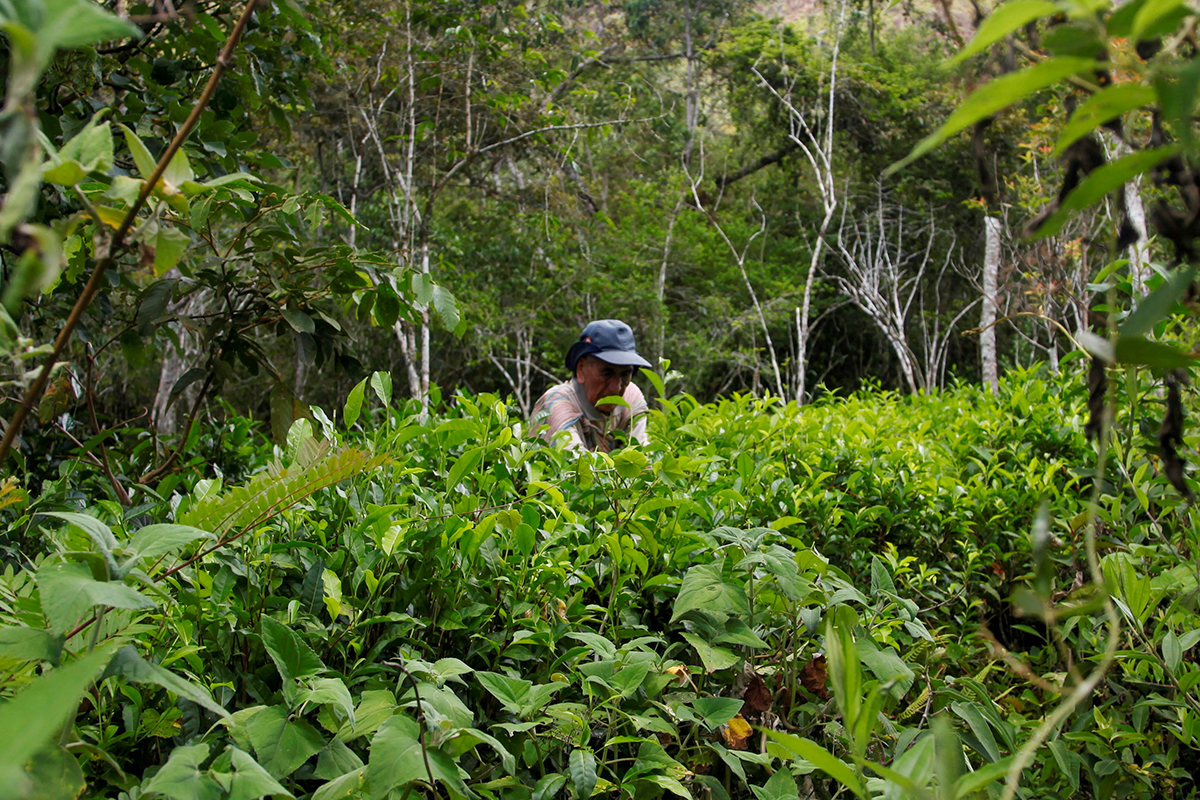
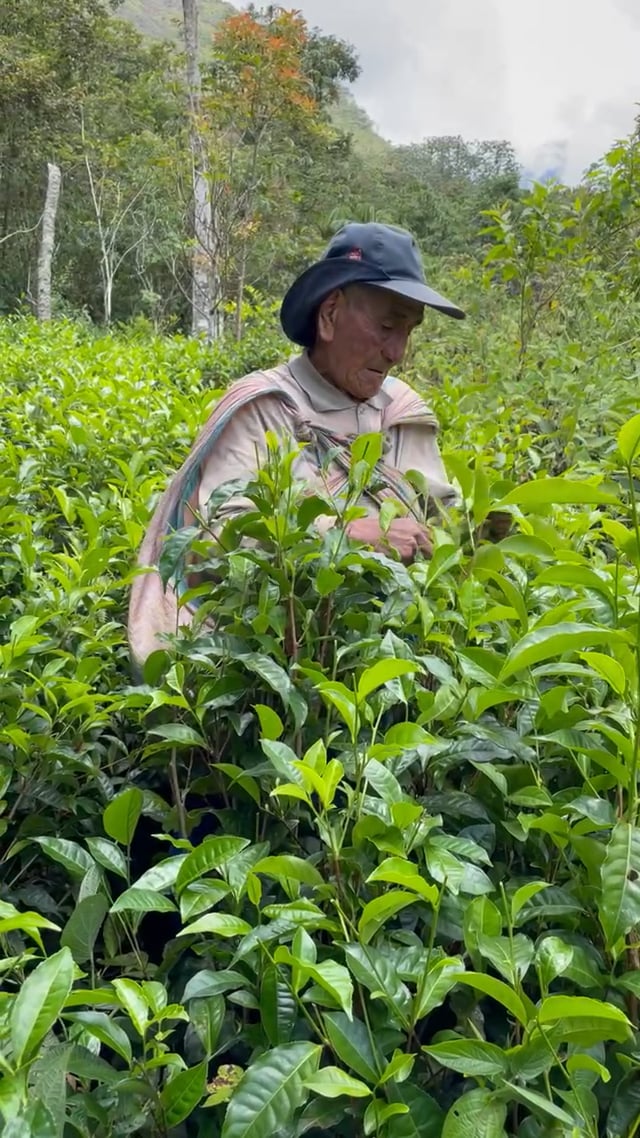
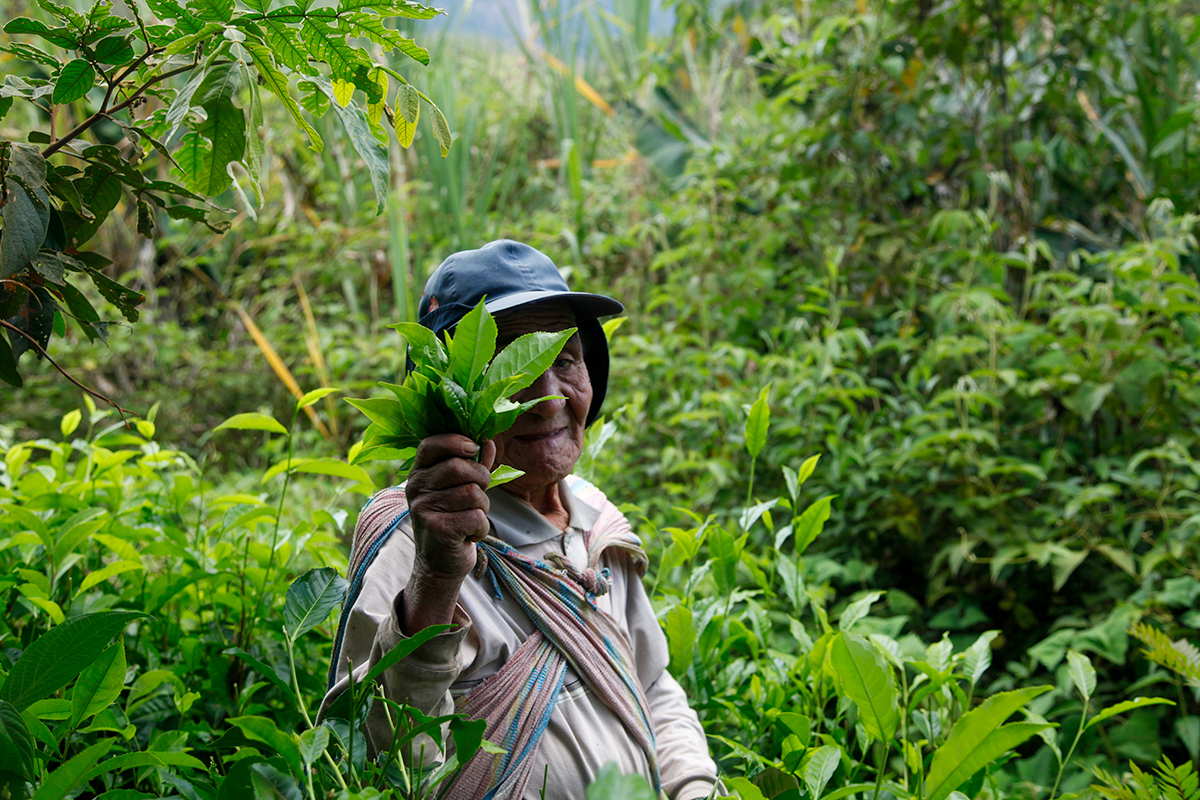
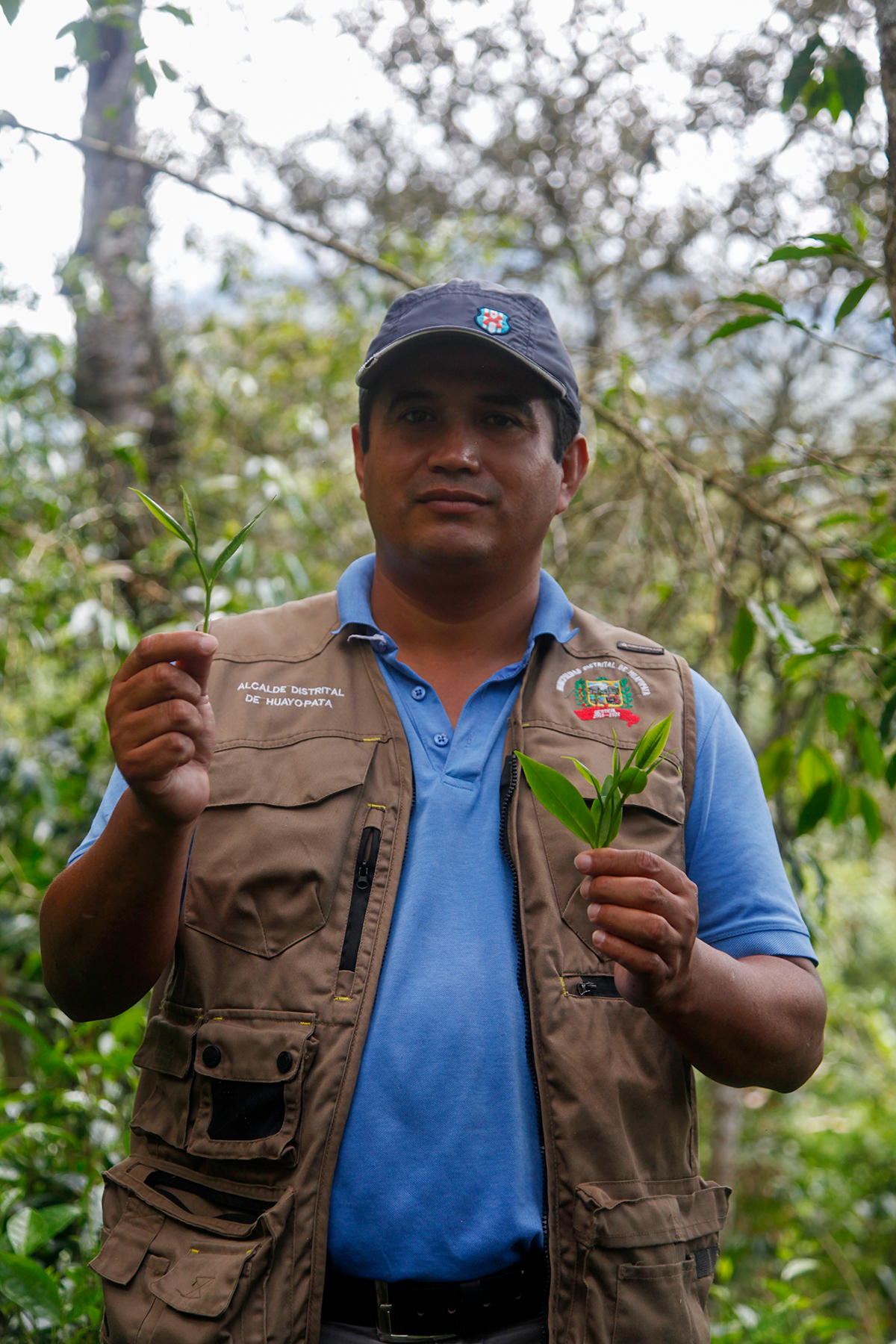
Until the Agrarian Reform of the 1970s, which dismantled the haciendas and expropriated the land, Peruvian tea was celebrated. In the Inca region, everyone knew the name Huyro. Today, nobody has heard of it, and for good reason: the expertise has been lost. Fortunately, a handful of farmers are working hard to improve the quality of the tea and regain its past glory.

Share on Facebook. Tweet this!

Beyond the Andes

20 January 2023
previous arrow
next arrow
Slider

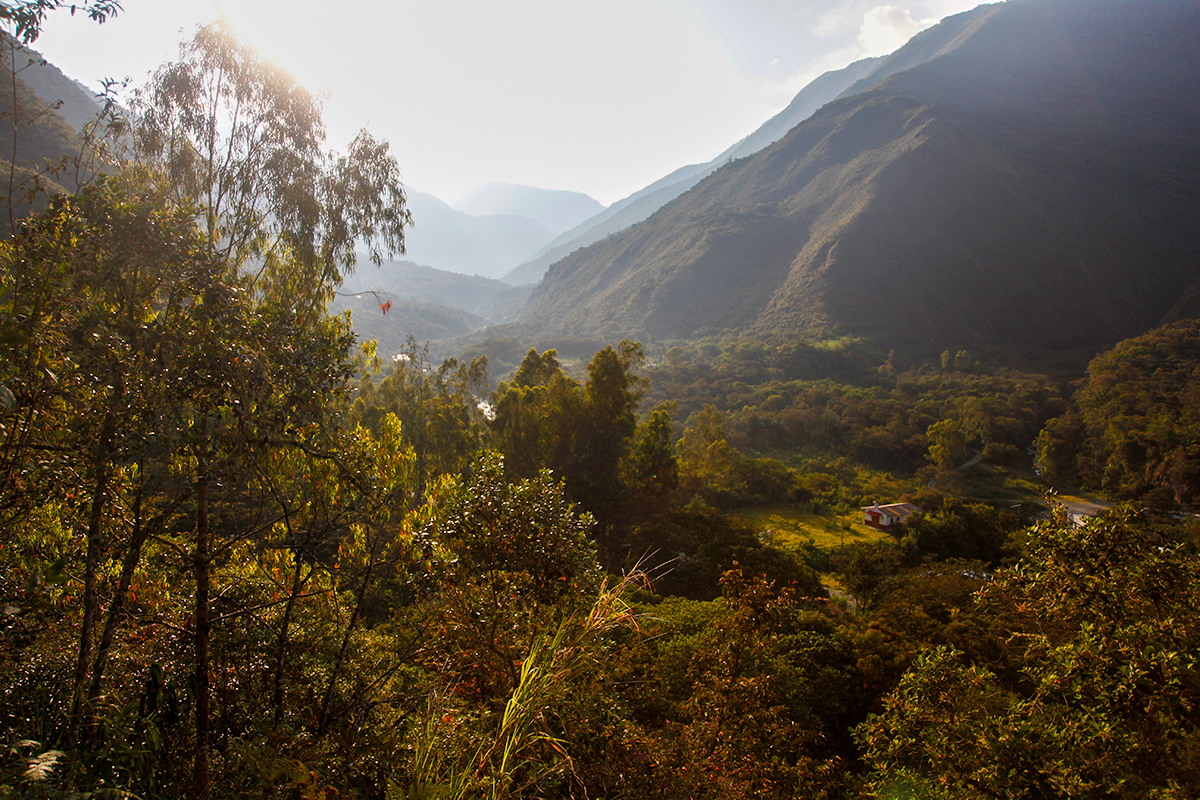
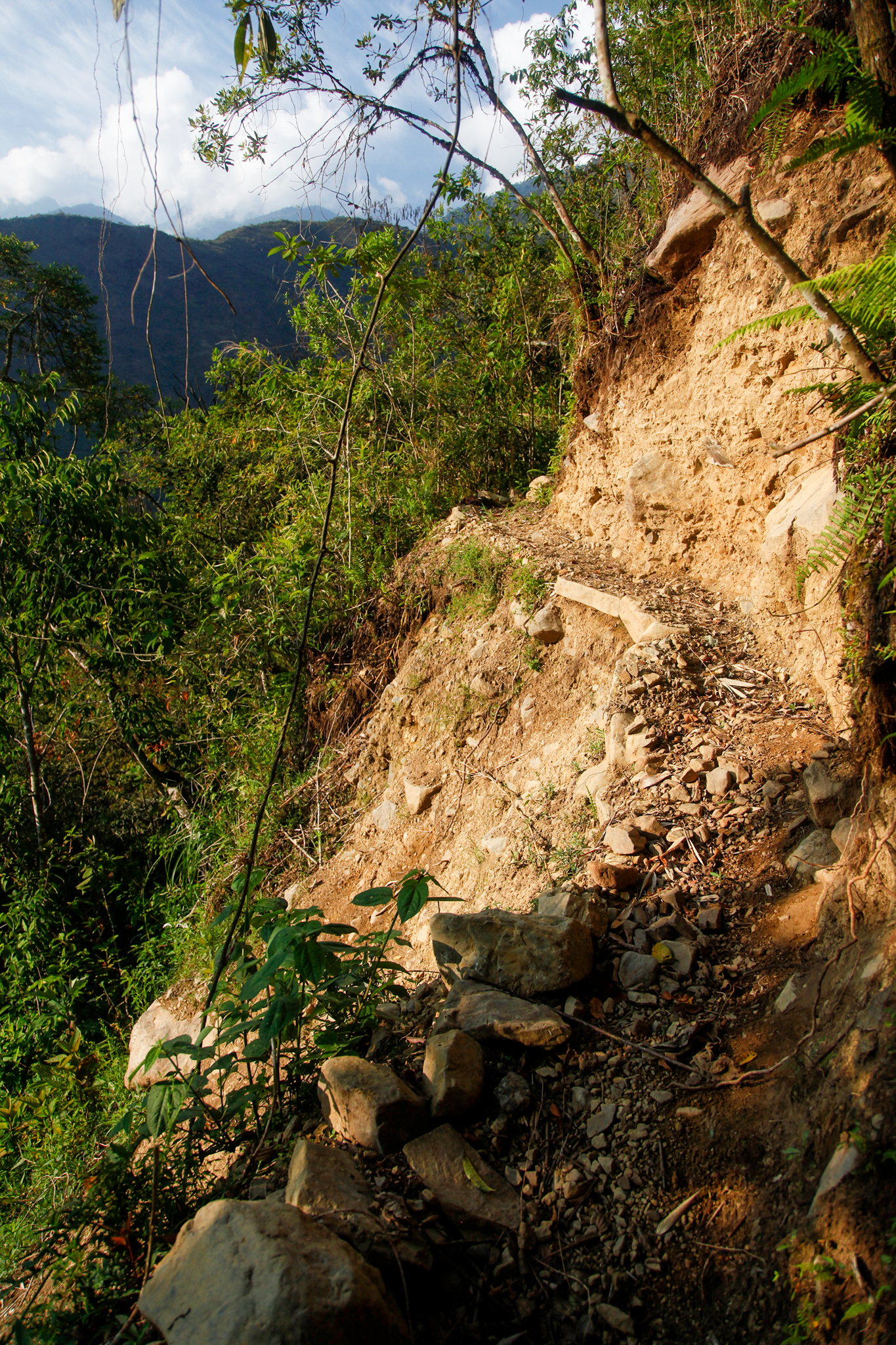
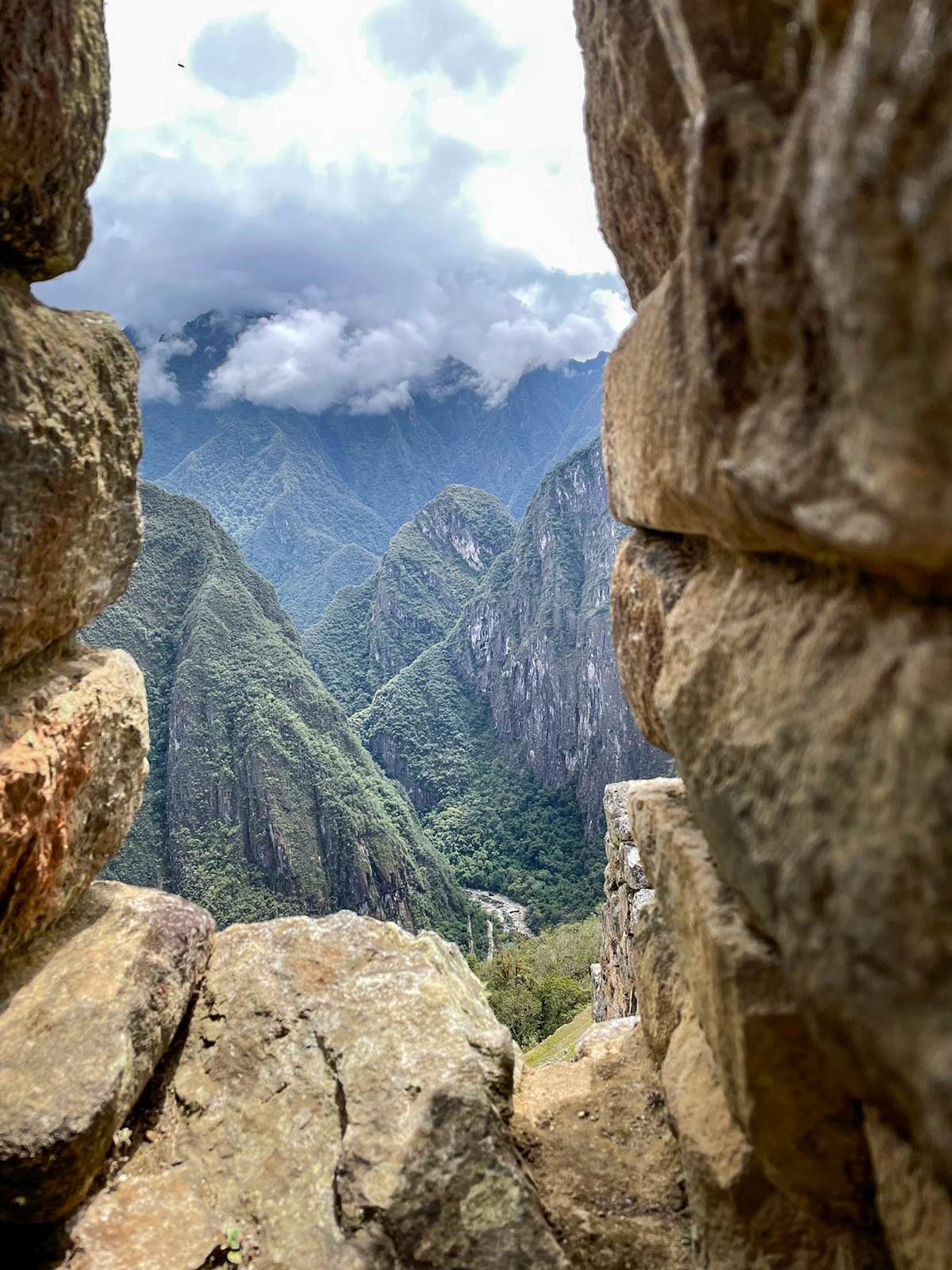
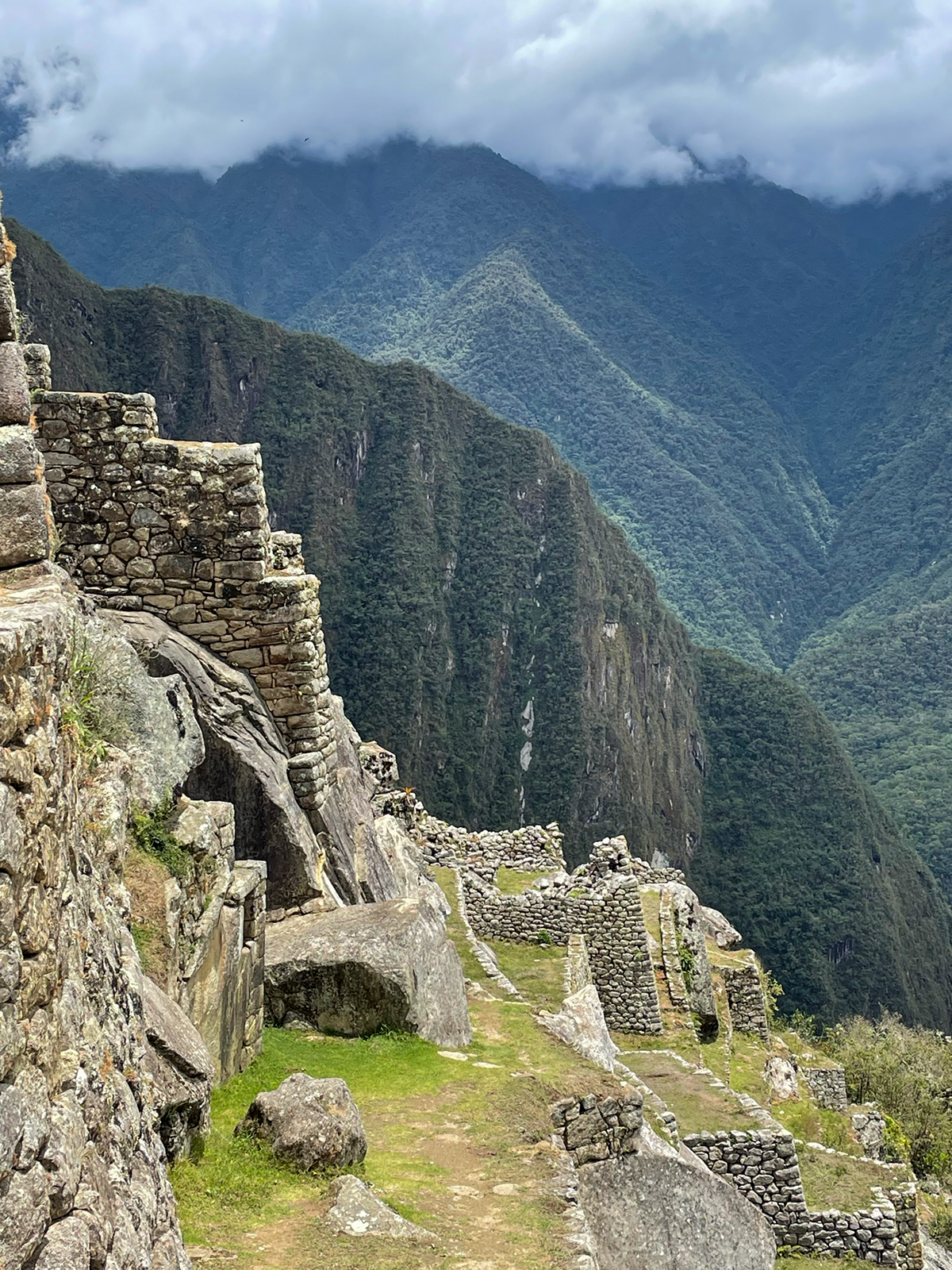
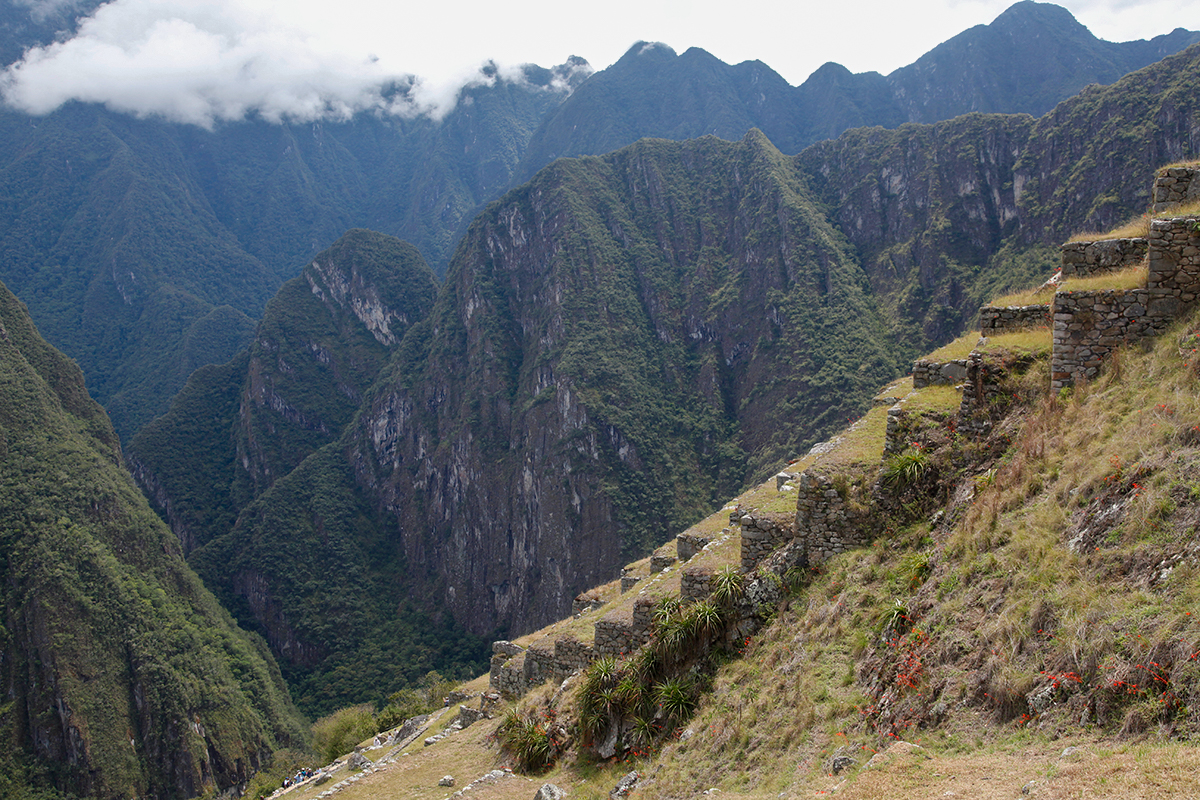
To reach Peru’s tea plantations, which are located in the Amazonian region of the country, you must cross the Andes. From Cuzco, you head to Machu Picchu before setting out from the famous site to complete the journey across the mountains, one after another. Beyond this rugged horizon lies the Amazon plains, and the tea fields. What future delights might we find there?

Share on Facebook. Tweet this!

Carlota and her beloved jungle

13 January 2023
previous arrow
next arrow
Slider

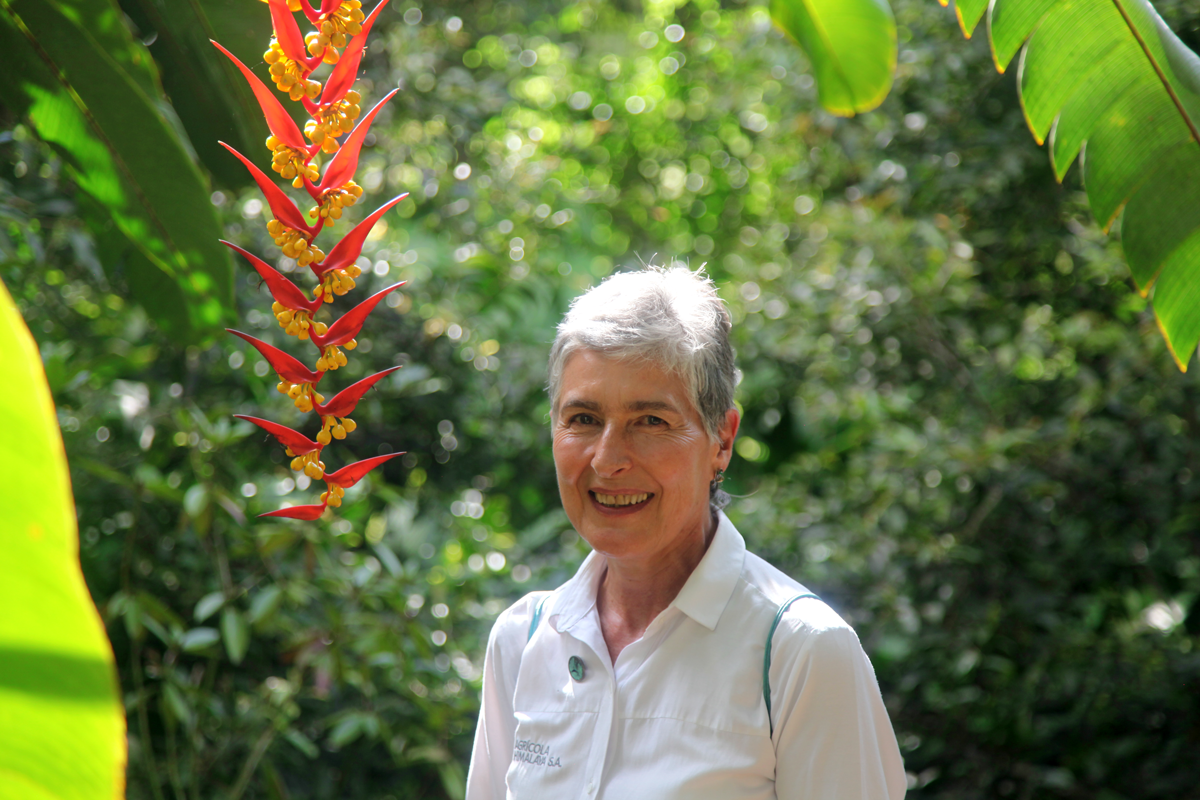
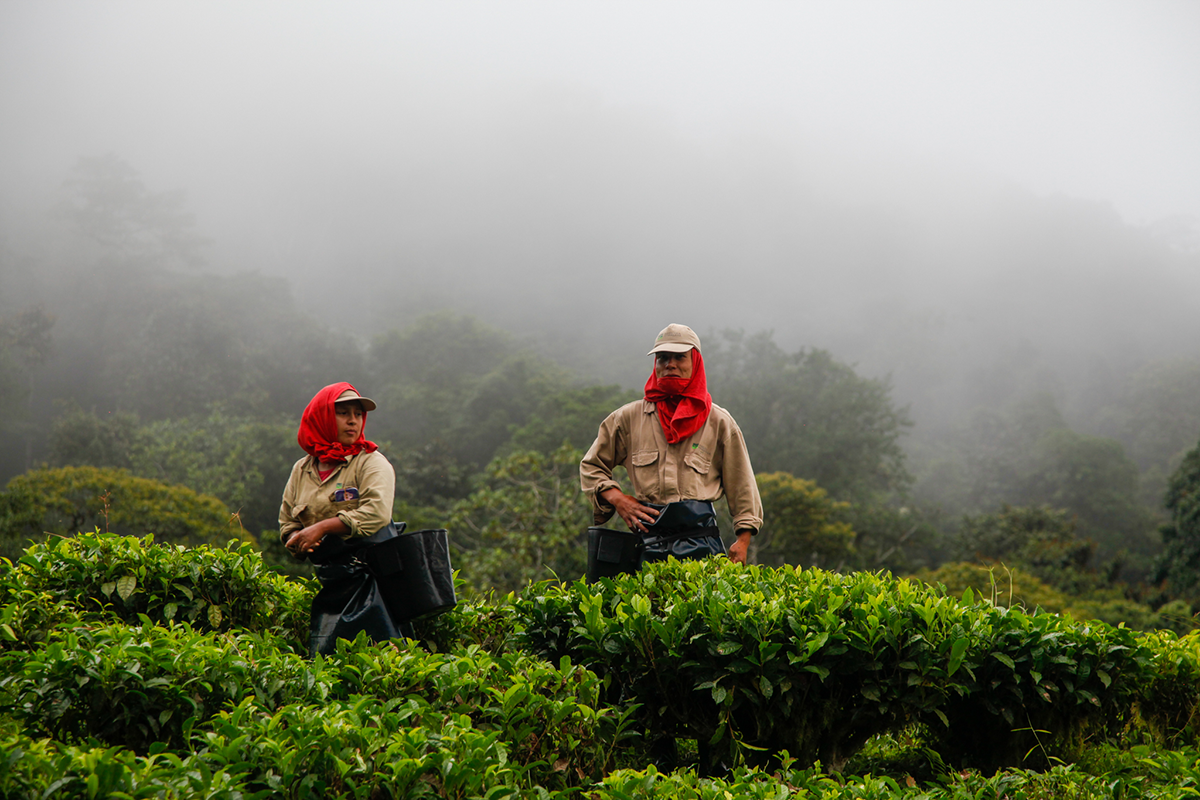
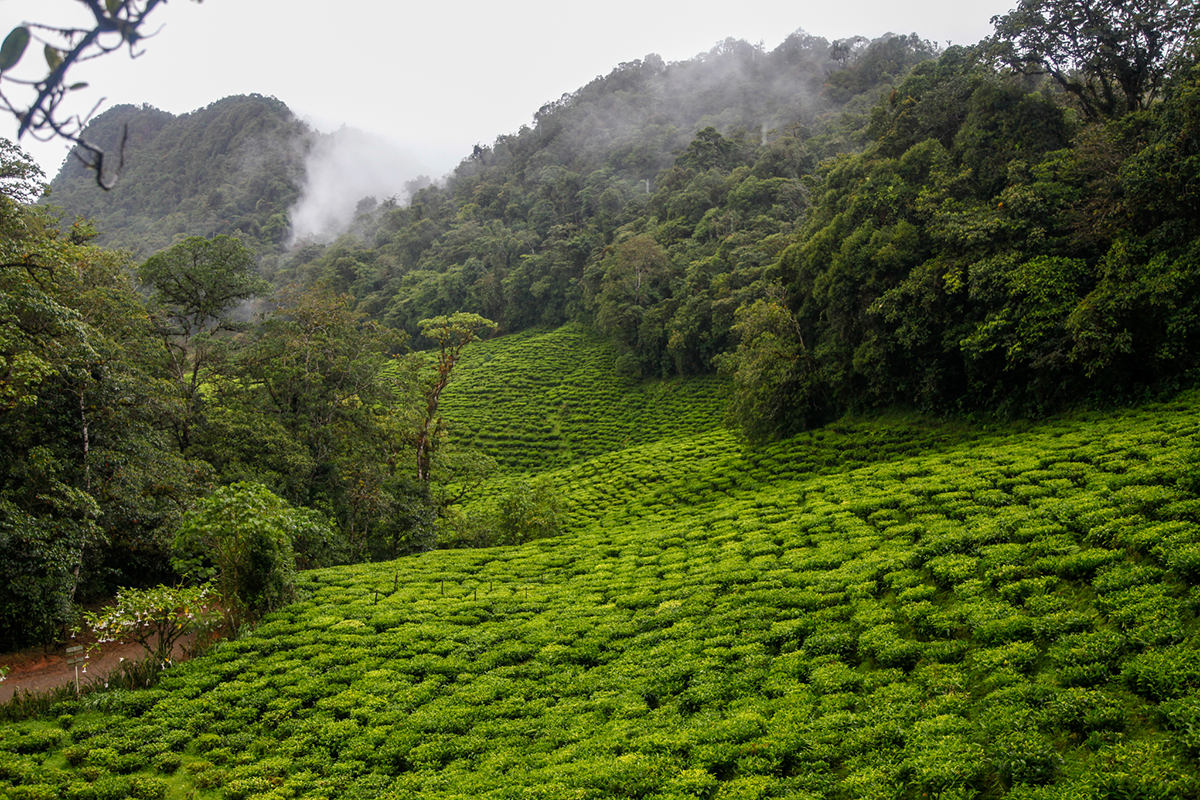
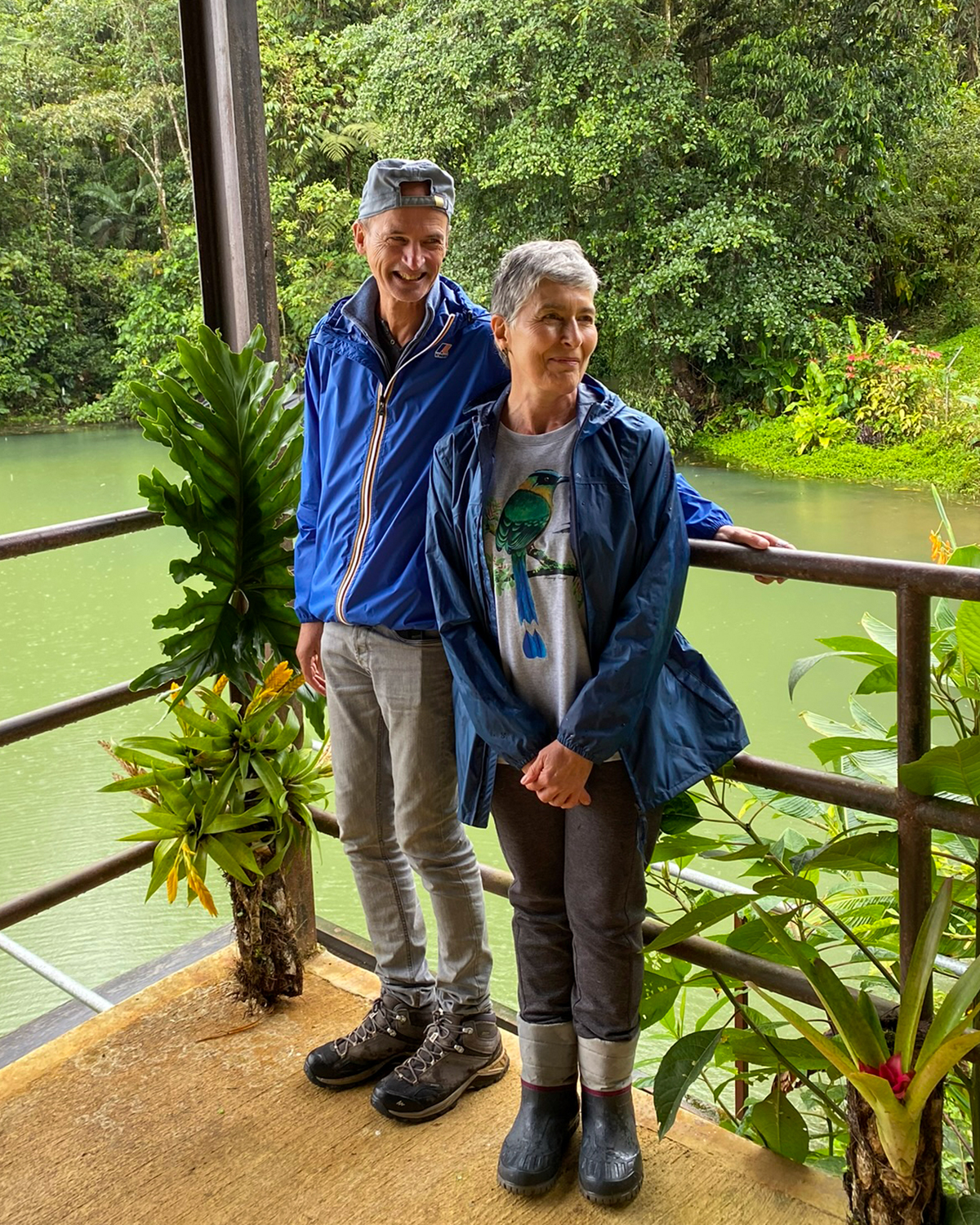
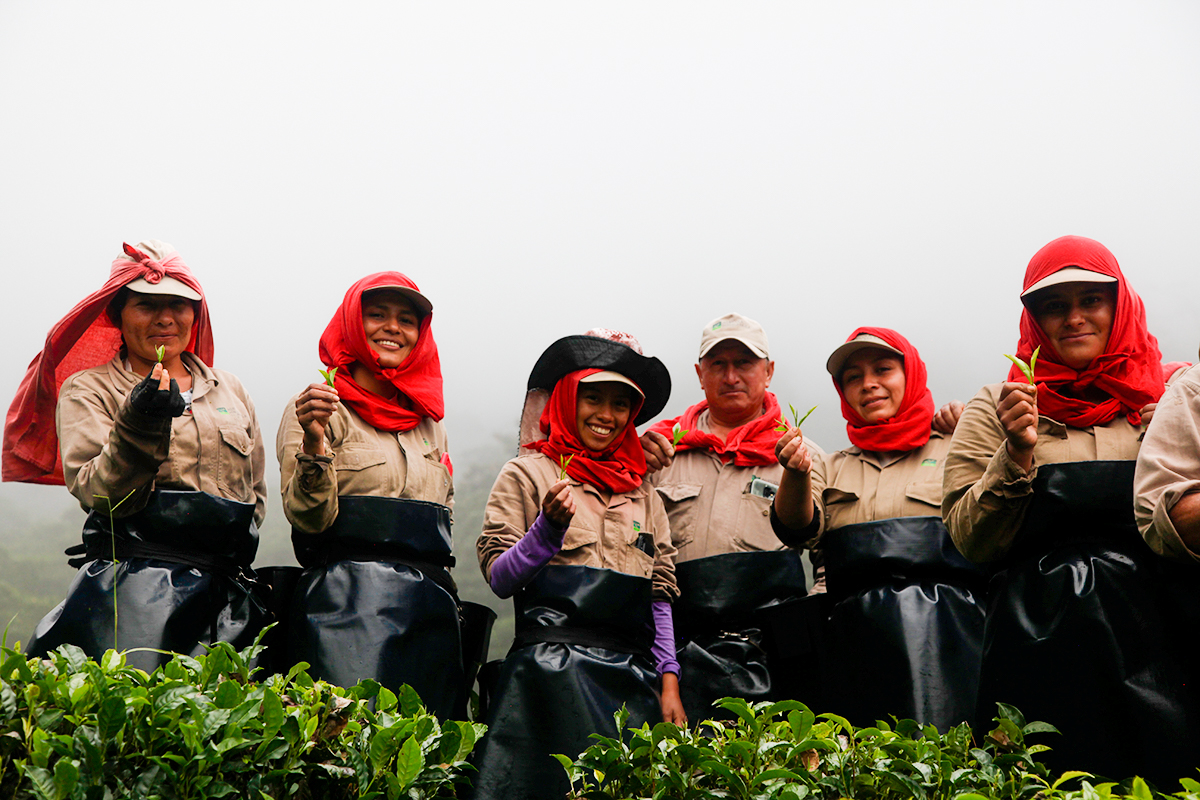
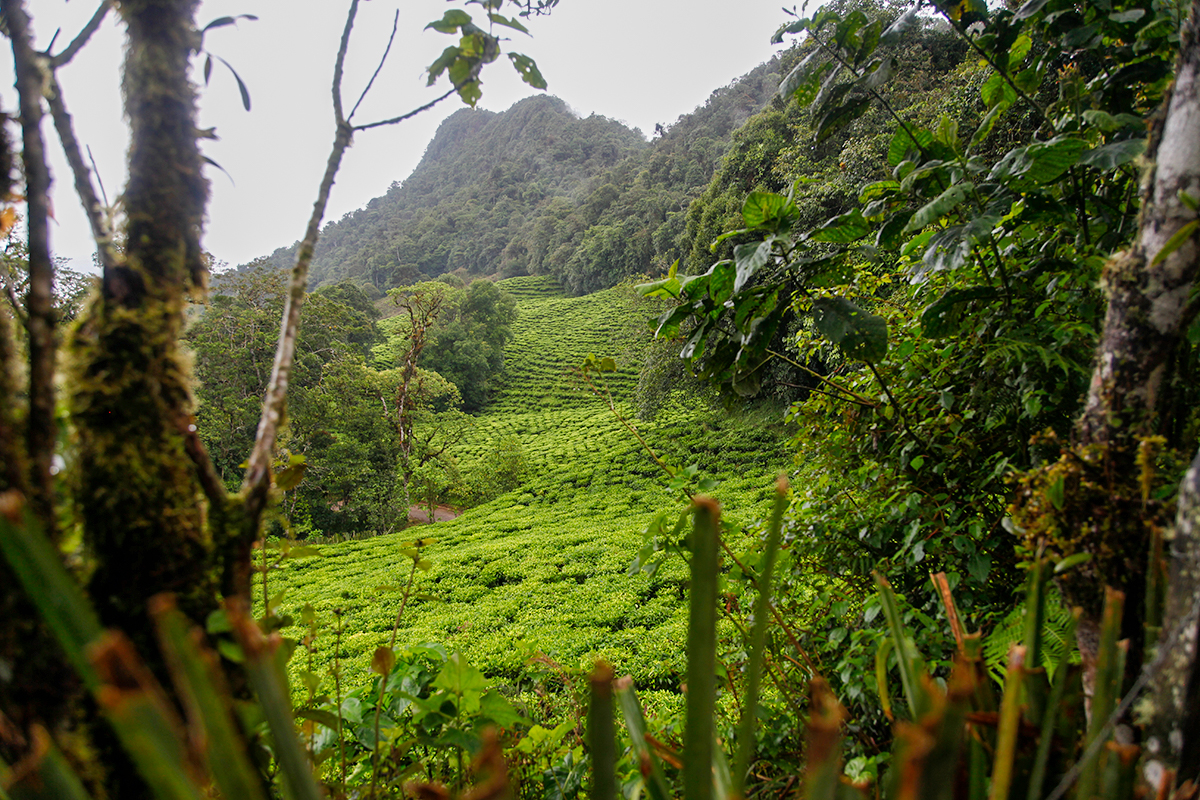
In Colombia, tea grows in the Andes; more specifically, in the region of Cali, the capital of salsa. But there is more to this area of the Cauca Valley, south-east of the capital Bogotá, than dancing. Once known for its sugar cane, the district’s most famous crops now include coffee and cocoa. And surely tea too, one day, which creates beautiful landscapes here. Carlota, who oversees the region’s only plantation, has a principle: the plots cover a maximum of five hectares and are surrounded by the jungle, in order to protect the biodiversity that is so important to her. Carlota’s whole life revolves around her love of nature and her love of the jungle where she has chosen to live. She is devoted to her tea crops because they allow a whole community to live in these mountains and help preserve this unique, fragile and incredibly rich environment. It is a truly special place.

Share on Facebook. Tweet this!

To be human

6 January 2023
To be human

In Nepal, it is not the year 2023 but 2078, until April. Just a few days before the New Year, I was lucky enough to watch the sacred dances at Shechen monastery. Behind the scenes, the monks get ready. They each put on their costume. The boy plays the role of the jester. He and his companions will entertain the spectators and play tricks on them between dances. These atsaras remind us of our human condition. To be human: that is all I wish for us at the start of this new year.

Share on Facebook. Tweet this!

Colombia has a bright future

30 December 2022
Play
Play
previous arrow
next arrow
Slider

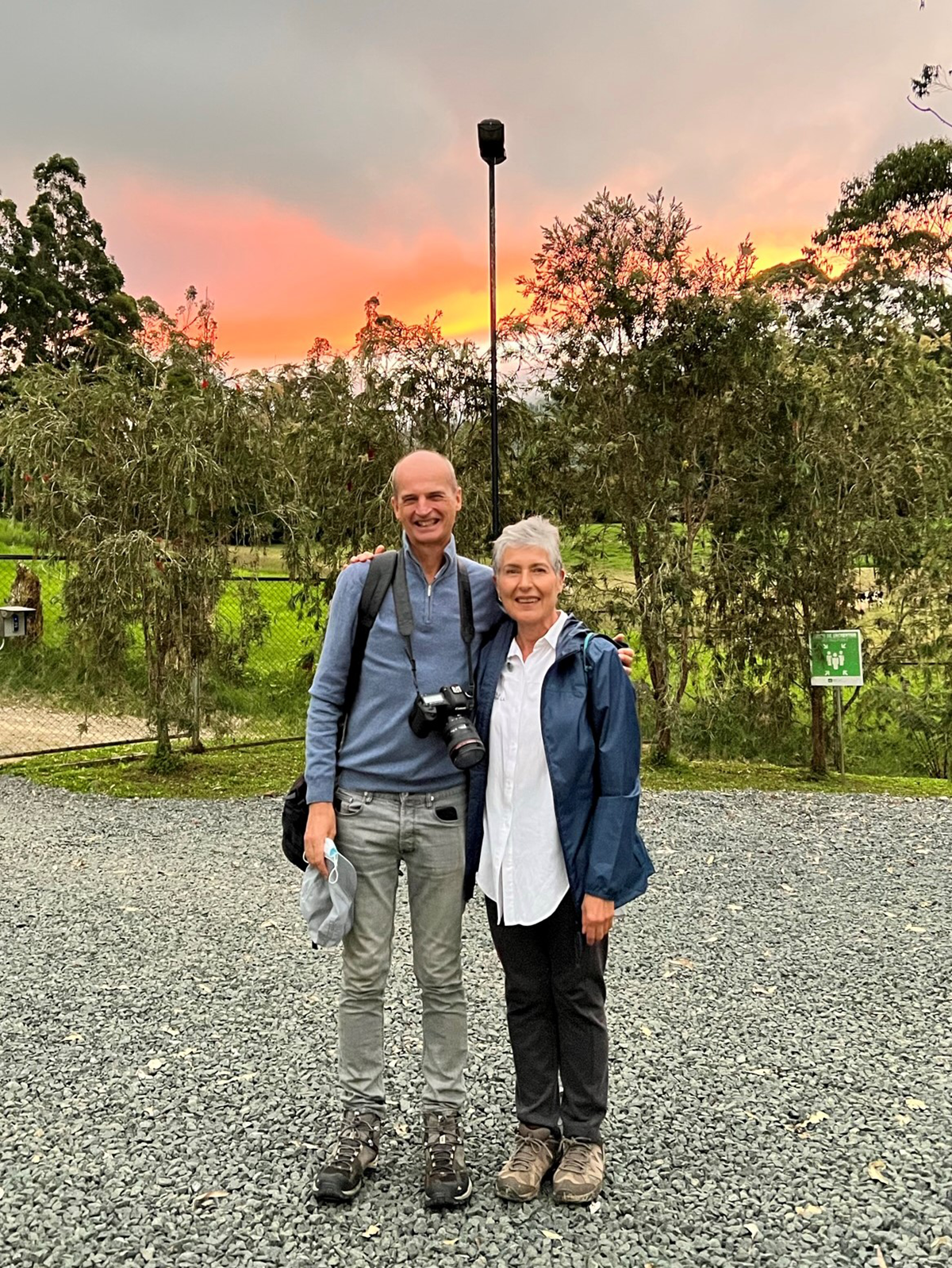
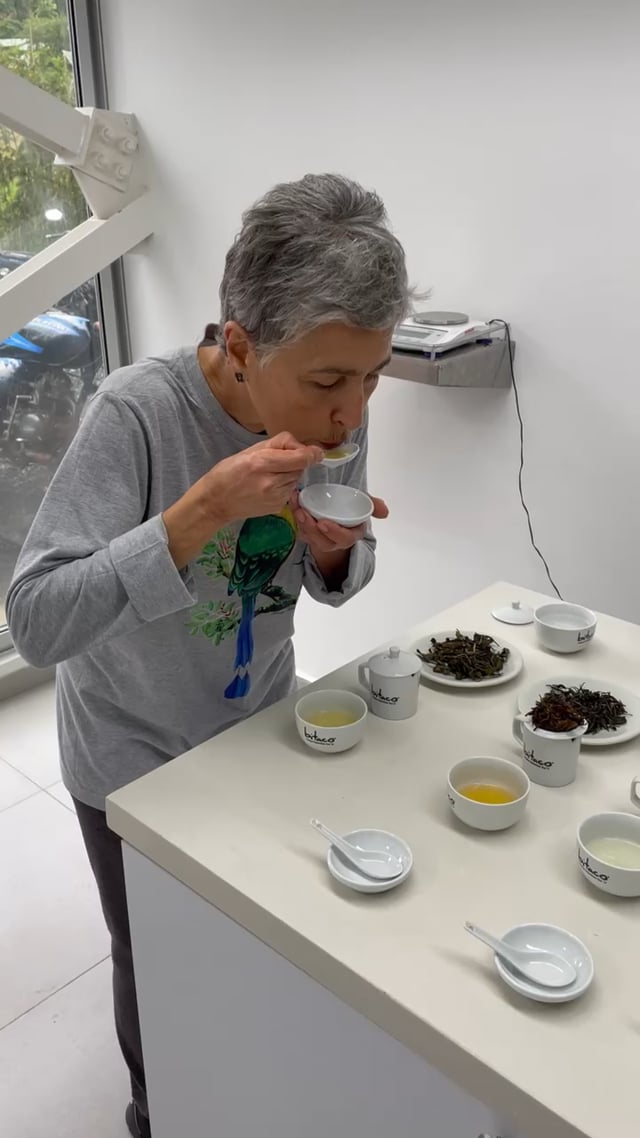
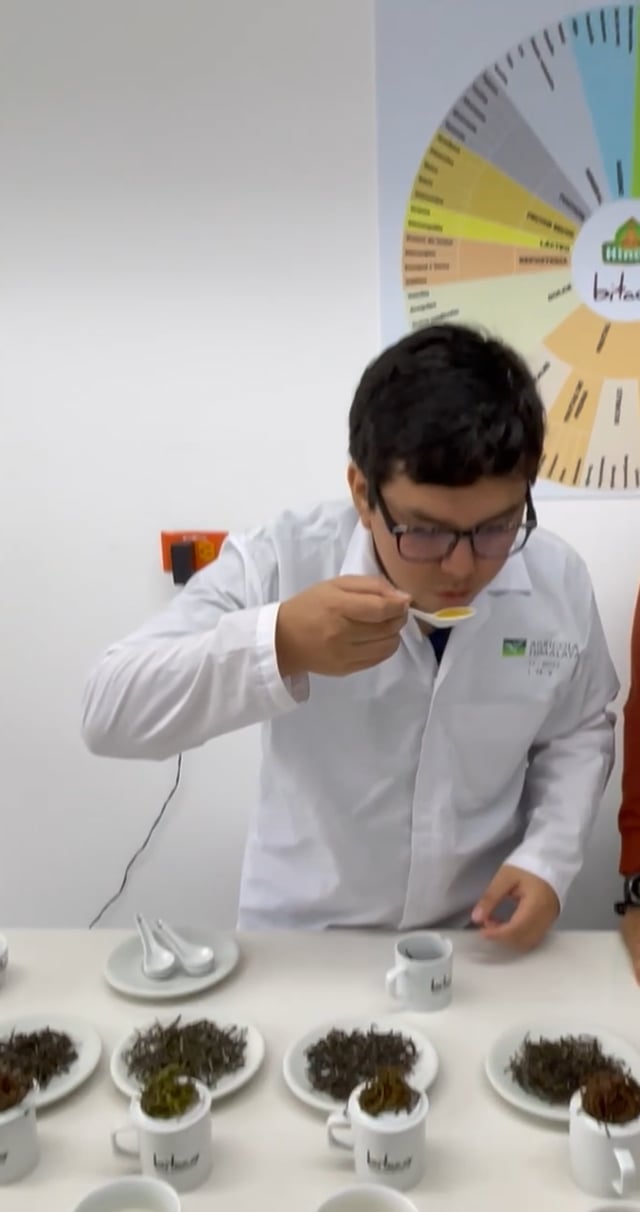
Bitaco is the only tea plantation in Colombia. Not only is it working to produce more and more exciting teas, it is also certified organic and is run by people who are passionate about tea. Carlota is one of the owners. She is in charge of the Foundation. Her interests include horticulture, ornithology and anything else related to her amazing Andean estate. Every day she tends the tree ferns, dozens of species of rare orchids, water lilies, arums and anthuriums in the botanical garden that she herself created. Then there’s Claudio, who makes and tastes new teas every day and has a voracious appetite for knowledge. Colombian tea has a bright future.

Share on Facebook. Tweet this!

Dodik teaches farmers the art of tea production

23 December 2022
previous arrow
next arrow
Slider

Tea always tastes better when you’re lucky enough to know the people who made it and are familiar with the landscape of the fields where it grew, the soil and the bushes. I’d like to introduce you to Dodik. He lives in Pacet on the Dieng plateau, at an altitude of about 1,200 metres. After visiting each plot and examining each plant and cultivar, he buys the farmers’ freshly harvested leaves and turns them into green or black tea, depending on the quality of the shoots and what he needs. He also teaches the locals how to produce their own tea. Some of them already make wonderful, rare teas. And in a few months, Dodik will give us the magnificent “Java Honey”, a delicious black tea roasted over coconut charcoal.

Share on Facebook. Tweet this!

Rare fine teas in Indonesia

16 December 2022
Play
previous arrow
next arrow
Slider

Indonesia attracted a lot of attention when the aromas of its wonderful spices reached the four corners of the globe, but who knew that this beautiful country also produces tea, some of it delicious? Of course, not everything this major tea producer makes is high quality, but if you look hard enough, mainly on the island of Java, you will find sublime teas, handcrafted of course, which deliver a unique experience in the cup. Among Indonesia’s most famous teas are the white tea from the Cisujen mountains, Jin Jun Mei from Java, and Eksotik Teh Hijau.

Share on Facebook. Tweet this!

South America, another continent for tea

9 December 2022
previous arrow
next arrow
Slider

It took me a long time to decide to go to South America. For ages I equated tea with Asia. After all, it is where tea originated, and China and Japan have a history with the plant that goes back more than a thousand years. Then came Africa, an interesting discovery. There is a considerable volume of tea produced on the continent, but if you take the time to look, you can find some remarkable gardens that are well worth the effort. And so to South America. A new challenge. Colombia then Peru. What a surprise to discover such beautiful gardens run by passionate people having a go at making different types of tea: white, green, black, oolong. Then there’s the warm welcome, the joy, and producers’ delight when they realise they might soon be recognised for what they’re doing. On top of that, the farming practices here are remarkable, and tea gardens have not delayed in getting organic certification.

Share on Facebook. Tweet this!

Making a better living

2 December 2022
Play
previous arrow
next arrow
Slider

In the centre of the island of Java, this farmer is pulling up tea bushes which are no longer profitable. He is going to replace them by market gardening. Why can’t he make a living from tea? Because he only sells the leaves rather than a finished product. He does not process the leaves himself; he was never taught to do so. He has always picked the leaves from the bushes and sold his fresh harvest immediately.

This is a major challenge for any self-respecting tea sourcer. How can we ensure that a farmer never has to get rid of his tea plants? How can we help him acquire the skills to make a living from his work? How can we help him to produce delicious teas with high added value? We try to answer these questions as best we can, first of all by visiting the farmers, which is of course an essential step. By talking and tasting, and through demonstrations and sharing information between villagers. Last but not least, by being ready to make a generous offer as soon as the farmer produces a good tea.

Share on Facebook. Tweet this!

Finding salt on the tea route

25 November 2022
previous arrow
next arrow
Slider

It is not only in Tibet and the Himalayas that the tea route crosses the salt route. When you travel from Cuzco to the Peruvian Amazon, where tea is grown, you pass close to Maras, a village famous for its salt ponds. Thousands of years ago, these mountains were submerged under the sea. These days, salty water pours from a spring and fills the small pools.

Share on Facebook. Tweet this!