From plant to cup

An inaccurate French name

24 May 2019
An inaccurate French name

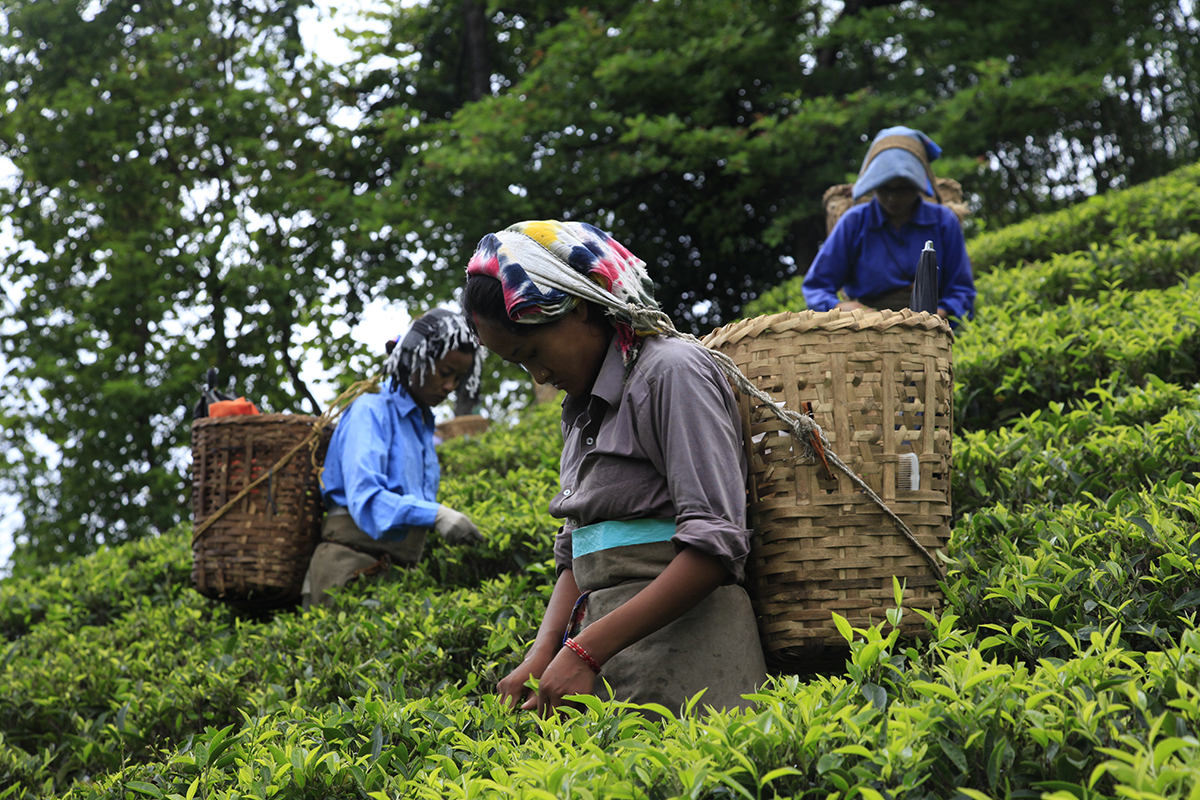
The first Darjeelings of the year are generally described as the “first flush” in English, but in French, they’re known as the “spring harvest”. The latter is misleading as the harvest doesn’t fully coincide with the season. There are two reasons for this. Firstly, the low-altitude plantations that use irrigation techniques benefit from more clement weather and sometimes start producing small batches from the end of February. Secondly, the leaves on the same shoots are harvested every eight to ten days, and after three successive growths, the shoot’s thwarted growth leads it to send out a side shoot (this is known as the banjhi), which is of a lower quality and marks the end of the first harvests. This means that the so-called “spring harvests” actually come to an end around mid-April.  

Share on Facebook. Tweet this!

Safe passage

3 May 2019
Safe passage

I’ve finished selecting my first-flush Darjeelings – 12 premium teas in total. From Puttabong to Thurbo, Namring Upper and Highlands, they represent the best of what these mountains have produced during the season. Now I want to tell you about the steps that follow the purchase of a tea of exceptional quality. First, the tea is packaged up on the plantation itself, then transported by truck to the nearest airport. From there, it travels to Paris, and on to the Palais des Thés warehouses. A sample of the batch is then sent to the lab for analysis. Once we’ve received confirmation of its compliance with the Safetea standards that are the pride of Palais des Thés, it is distributed to our various stores. The journey from plantation to cup takes several weeks and cannot be rushed. It’s a mark of quality and safety.

Share on Facebook. Tweet this!

Are you more Clonal Superb or China Exotic?

29 March 2019
Are you more Clonal Superb or China Exotic?

Indians use the name inherited from the British to describe tea leaves (see my previous blog post). However, in the past few years, they haven’t been content with the letters “FTGFOP” or even “SFTGFOP1”. So they’ve added more words, generally nice ones. Some have a specific meaning. Others sound pretty, and the producer uses them to indicate that this exceptional tea is worth an exceptional price, for the highest bidder.

The former include the words China, Clonal and AV2, which refer to the tea plant. They stand for a variety that comes from China (Camelia sinensis sinensis), a hybrid (the word clonal is therefore inappropriate in French), and the specific name of the variety (AV2 for Ambari Vegetative no. 2), respectively.

As for the latter, the imagination is the only limit when it comes to such terms as Exclusive, Delight, Exotic, Superb, Mystic and more. There’s also Wonder, Enigma and Euphoria. I bet that in the next year or two I’ll be offered Nirvana!

Share on Facebook. Tweet this!

Darjeeling Opens the Season

15 March 2019
Darjeeling Opens the Season

First flush teas are often the best, as the year’s first harvest. With winter coming to a close, cold nights keep the plants growing slowly, which results in richer flavours. Every year, it is Darjeeling that opens the season, before Nepal, China, or Japan.

In March, I sometimes taste nearly a hundred teas a day, with each of the 87 tea estates in Darjeeling manufacturing very small batches—sometimes no more than 20 or 30 kilos. In this region, during the period when the highest quality of tea is produced, one day’s harvest is never mixed with the next. The result is a constant parade of very different tastings. Buyers snap up the very best batches in a matter of hours, at premium prices, which is why it is so important to know every producer and maintain the best possible relationship with each of them.

Share on Facebook. Tweet this!

Tell me about tea!

8 March 2019
Tell me about tea!

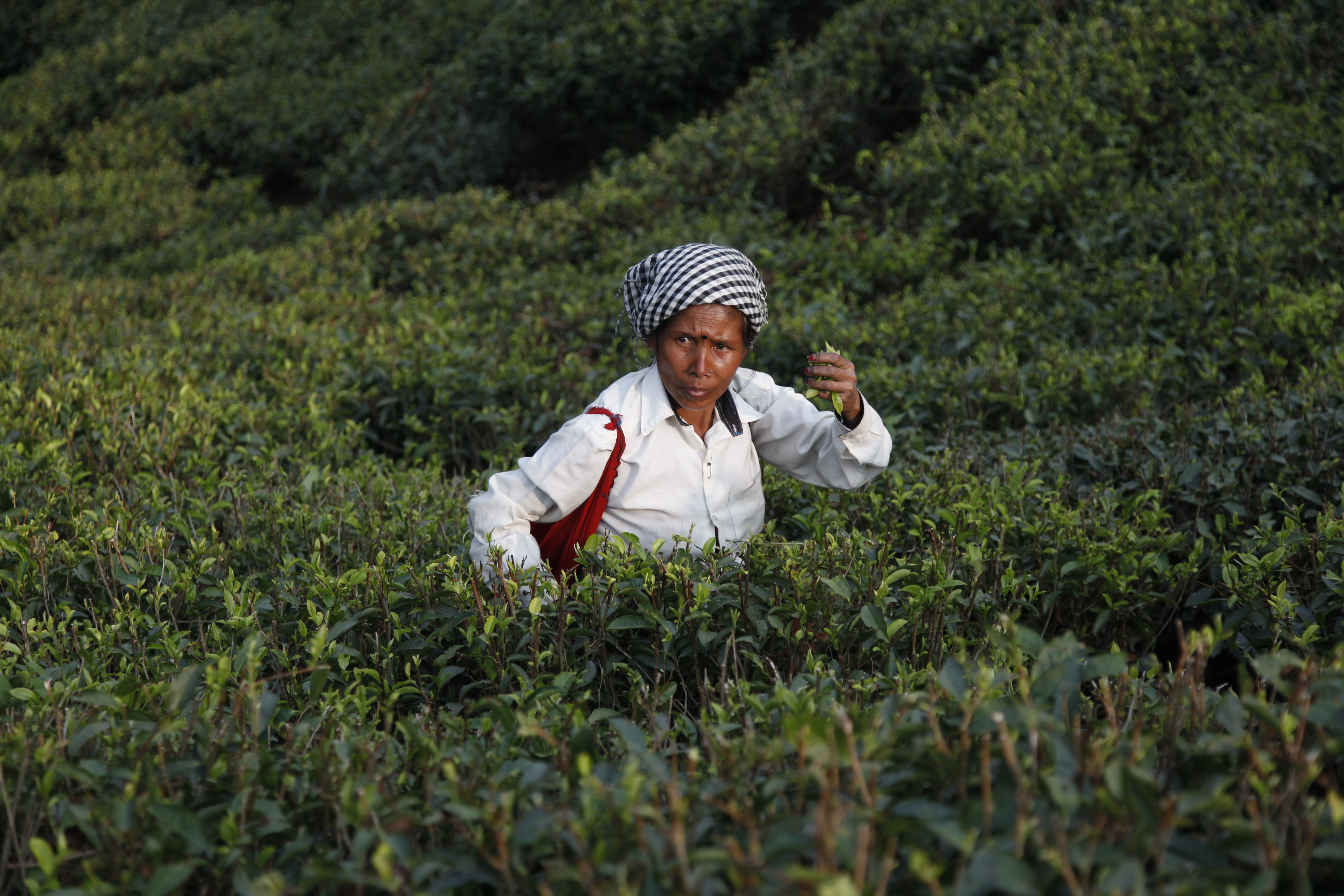
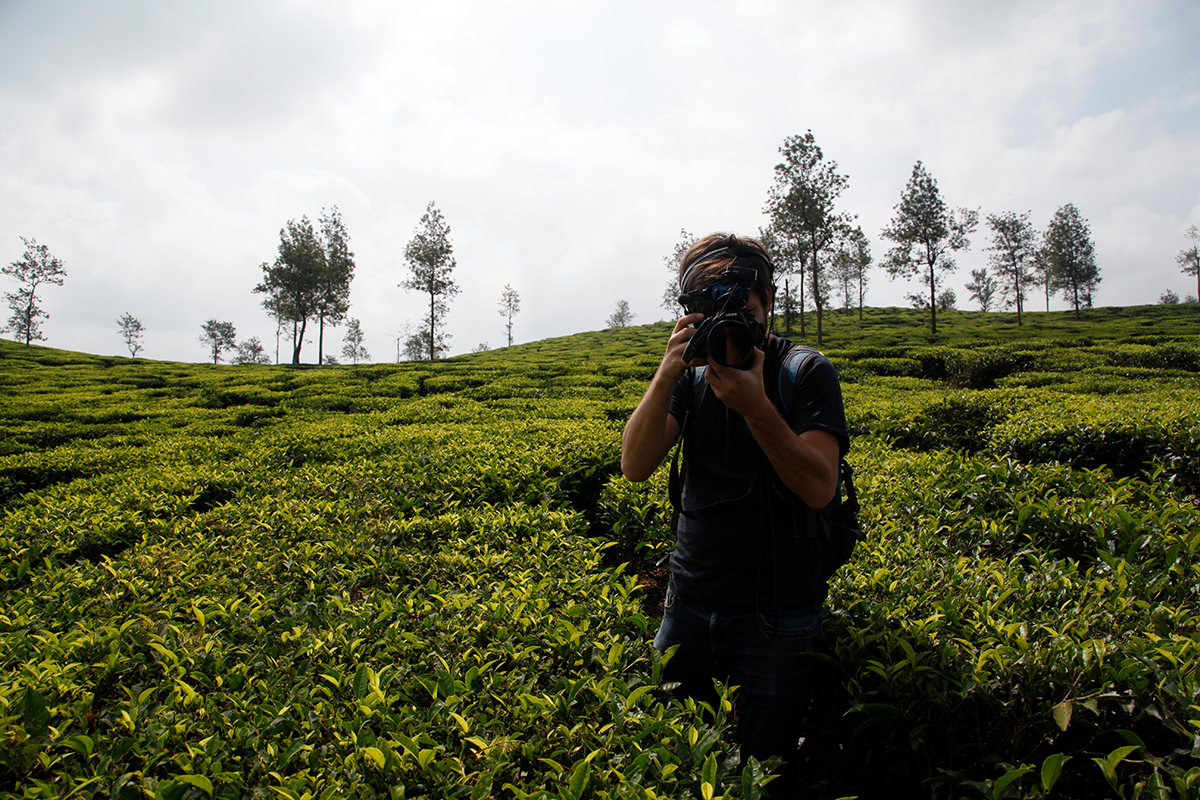
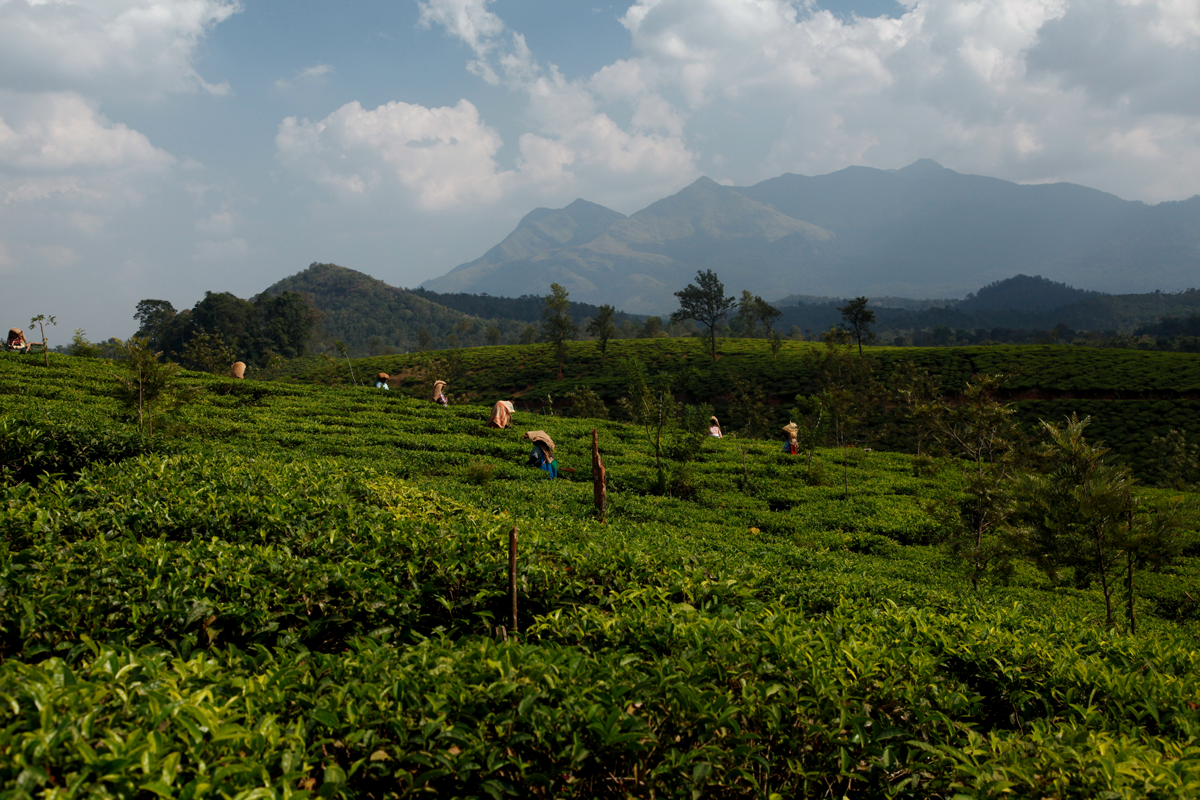
On tea plantations, I come across pickers, of course, as well as villagers walking home. More rarely, I also come across television crews. I’ve just spent two days with Julie and Romain, who asked to join me. Julie is a journalist and Romain, pictured here, is a television reporter. They wanted me to talk about my work, and also to carry on as if they weren’t there, so that they could observe me in the tea fields, tasting tea and talking to people I meet. With them in tow, my work is a bit different from usual, but just as interesting. As with customers who come into a shop for the first time and ask “Tell me about tea!”, I explain as much as I can to them – about life on the plantation and how to make the best teas. Now I’m looking forward to seeing their wonderful report, which will be broadcasted on 16 March at 7 p.m during the programme “50 Minutes Inside” on the French television channel TF1. I think it will only last a few minutes – the time it takes to have a cup of tea.

Share on Facebook. Tweet this!

In the tea fields

1 March 2019
In the tea fields

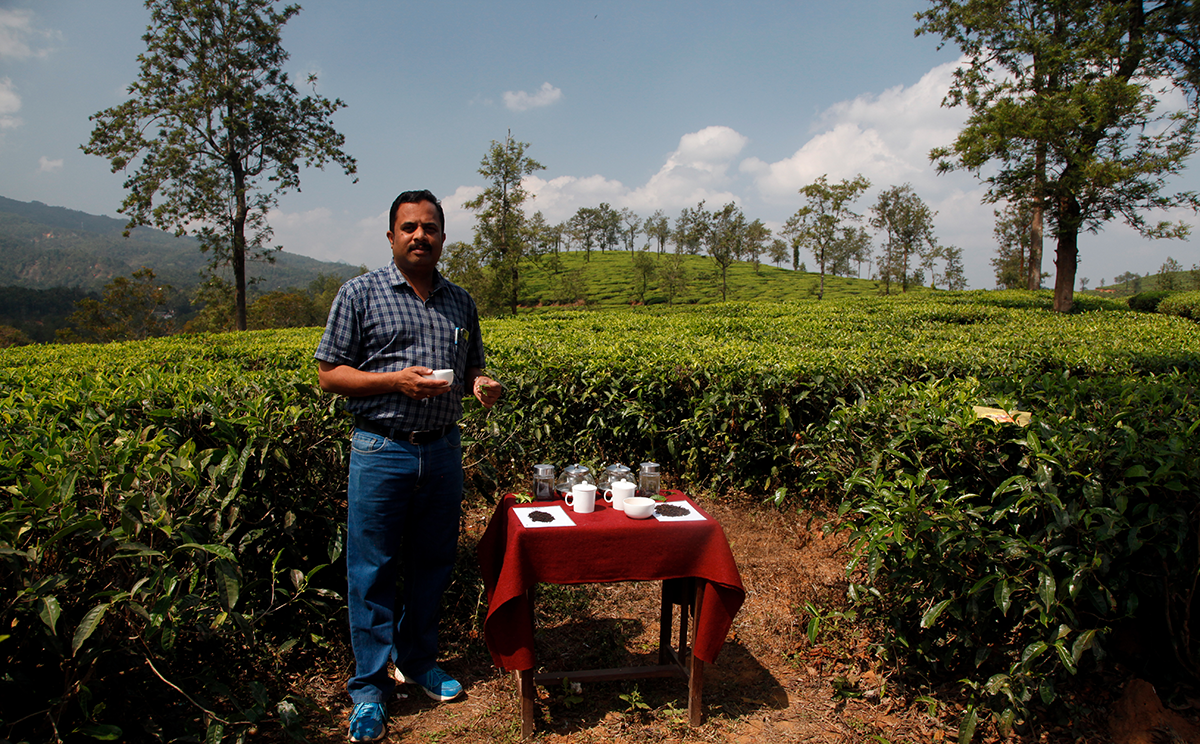
You can drink your tea in the kitchen, in the living room or in bed. You can enjoy it on the balcony, in the garden, at your desk, or while admiring a beautiful view. You can also taste your tea on the plantation itself. First, you cover a simple table with a red cloth, to contrast with the green. Next, you place the dry leaves on a white sheet in order to examine them while the liquor reaches the right temperature. Then you savour your tea surrounded by tea plants, the same ones your leaves have come from. Thanks to Vinod Kumar for this wonderful tasting on the Achoor plantation. 

Share on Facebook. Tweet this!

The teas of Kerala

22 February 2019
previous arrow
next arrow
Slider

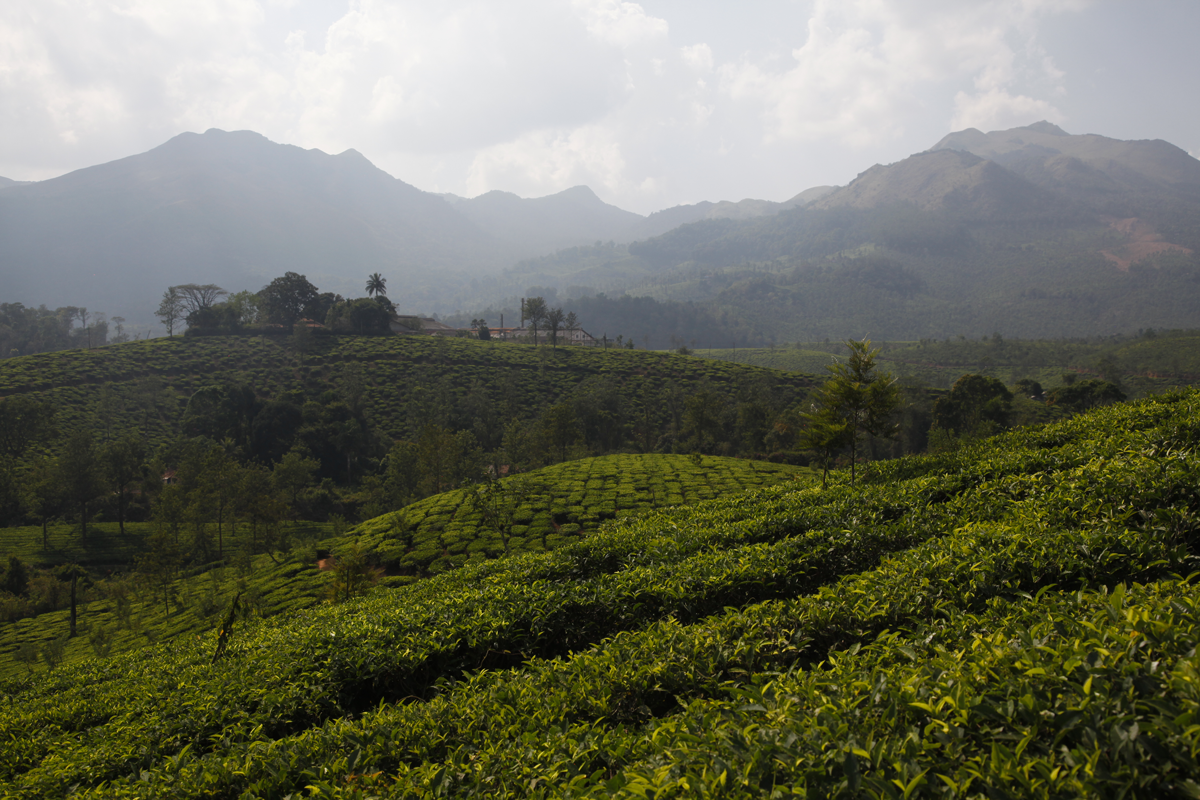
The tea-producing regions of Southern India are mainly located in Tamil Nadu (around Ooty and Coonoor) and Kerala (Munnar and Wayanad). Although the teas from these areas are not known as the best in the country, if you seek out good teas you can find plantations producing some really interesting ones. Like here, in the Wayanad region, with the Western Ghats in the background, and Chembra Peak.  

Share on Facebook. Tweet this!

Tea is not always harvested by hand

15 February 2019
Tea is not always harvested by hand

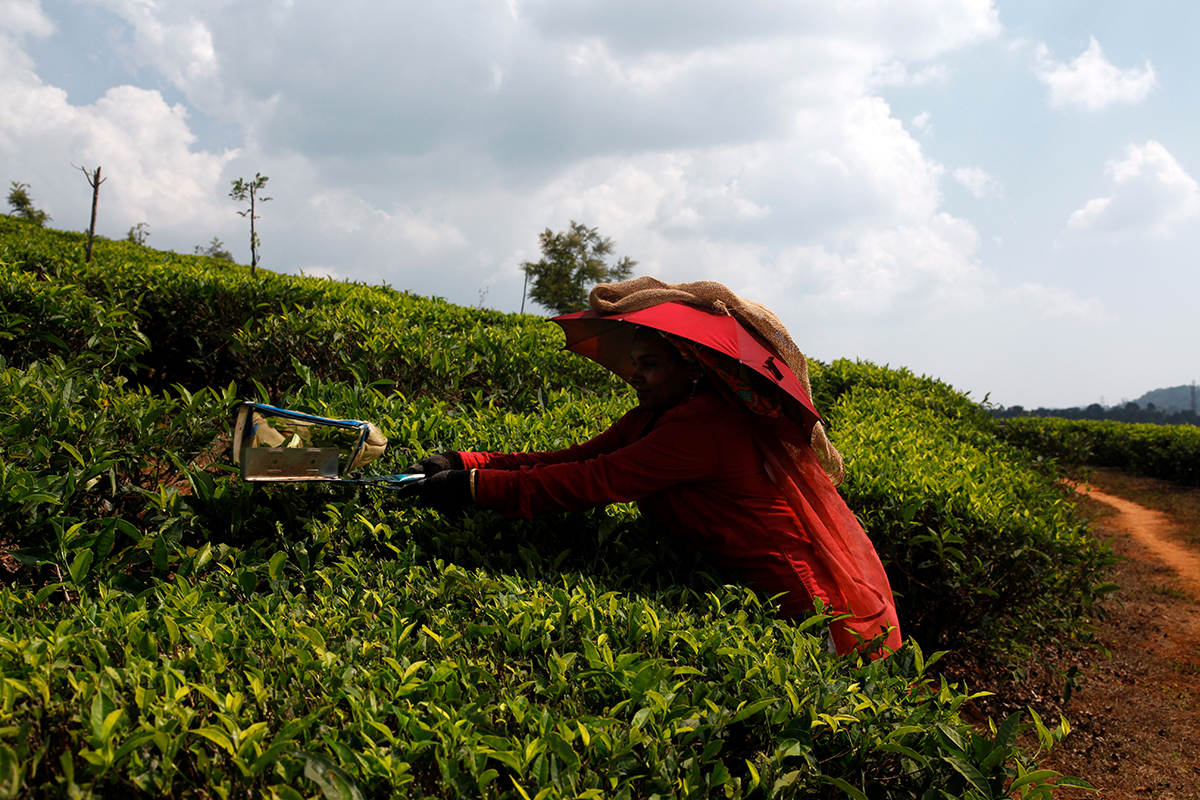
Harvesting tea using shears poses a problem in terms of quality, as the stems get cut too, instead of just the shoot and the two next leaves. For a high-quality tea, nothing surpasses picking by hand. When, during my travels, I see someone using shears, I talk to the planter to find out why this is. Often, it’s due to a lack of workers. Another common situation is that the tea is picked by hand in the best season, and then shears are used for the lesser-quality harvests, and these leaves will be used for tea bags.

Share on Facebook. Tweet this!

The tea trading centre of Kochi

7 February 2019
previous arrow
next arrow
Slider

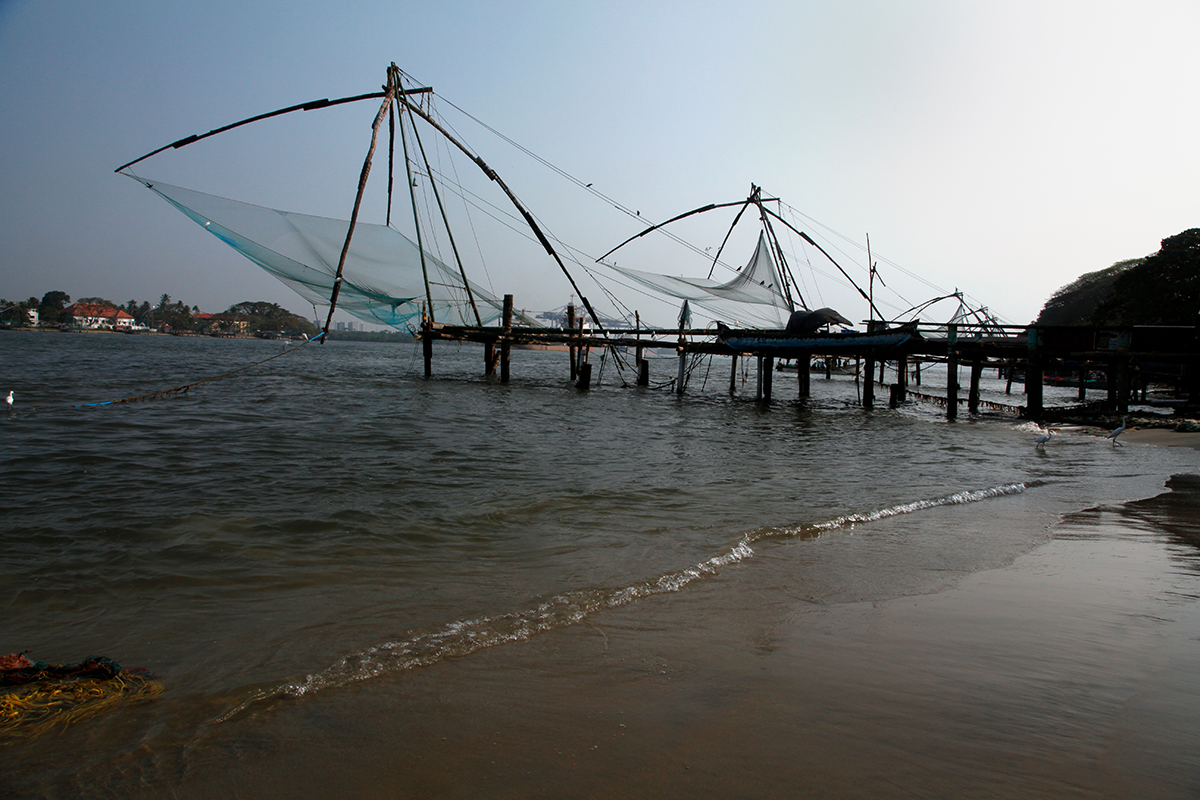
The city of Kochi (India) is one of the old trading centres that developed thanks to tea. In the case of the capital of the state of Kerala, it was also thanks to spices, coffee and jute. These goods were all packed into the holds of ships that set sail for Arabia. Today, many Indian tea companies maintain a presence in this city, particularly on Willingdon Island. And if you wander along the streets that link the charming district of Fort Kochi to the area of Mattancherry, you will spot the wholesalers’ warehouses, selling whole sacks of tea and coffee, but also cardamom, ginger, pepper, nutmeg and more. It’s an aromatic experience that takes you back in time, surrounded by houses in the Portuguese and Dutch colonial style. The shadow of Vasco da Gama looms everywhere in the old town. Not far from there, tourists enjoy watching the Chinese fishermen rigging up their nets, and weighing them down with heavy stones.

Share on Facebook. Tweet this!

The tea routes

25 January 2019
The tea routes

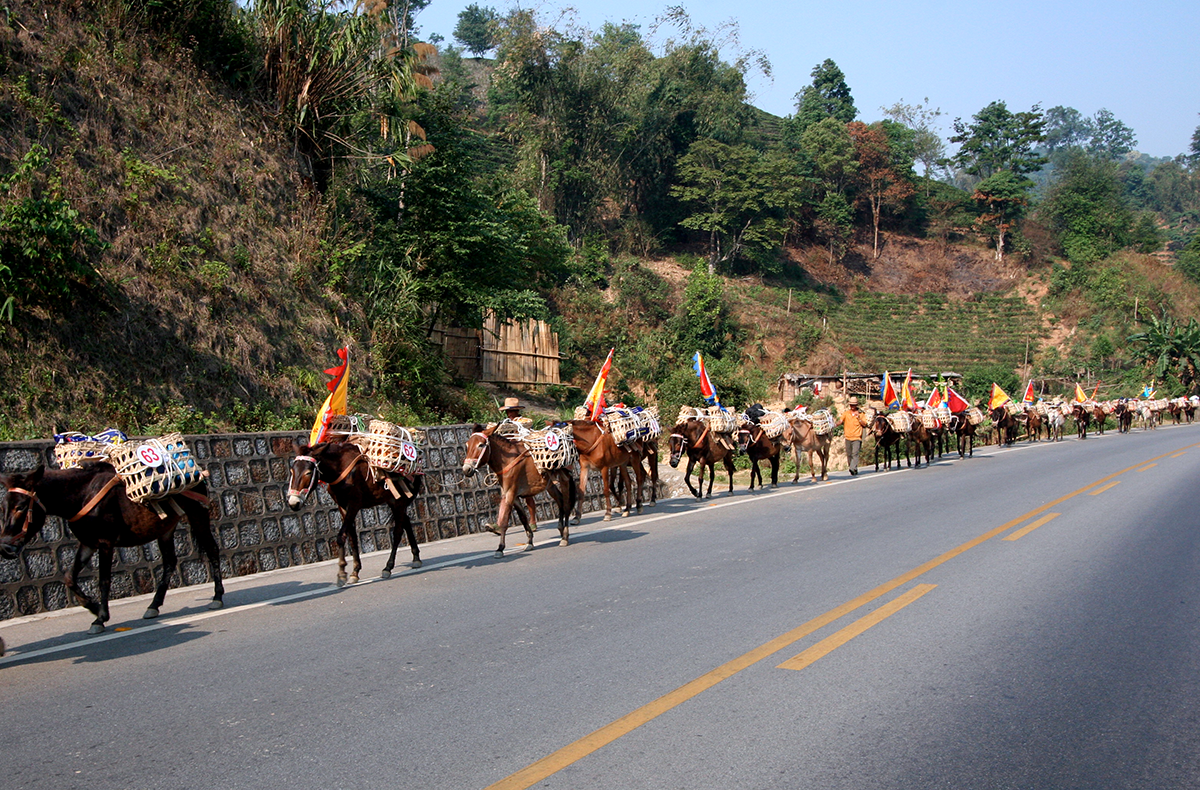
For centuries, tea travelled on the backs of donkeys, horses and yaks. There were a number of tea routes. They started at the Chinese provinces that produced compressed teas (Yunnan, Sichuan, etc.) and led to Tibet. In those days, tea was traded for salt or horses.

To perpetuate this tradition today, some people hold re-enactments, and you can watch hundreds of animals file past, carrying cakes of tea.

Share on Facebook. Tweet this!