From plant to cup

Varying qualities of jasmine tea

8 November 2019
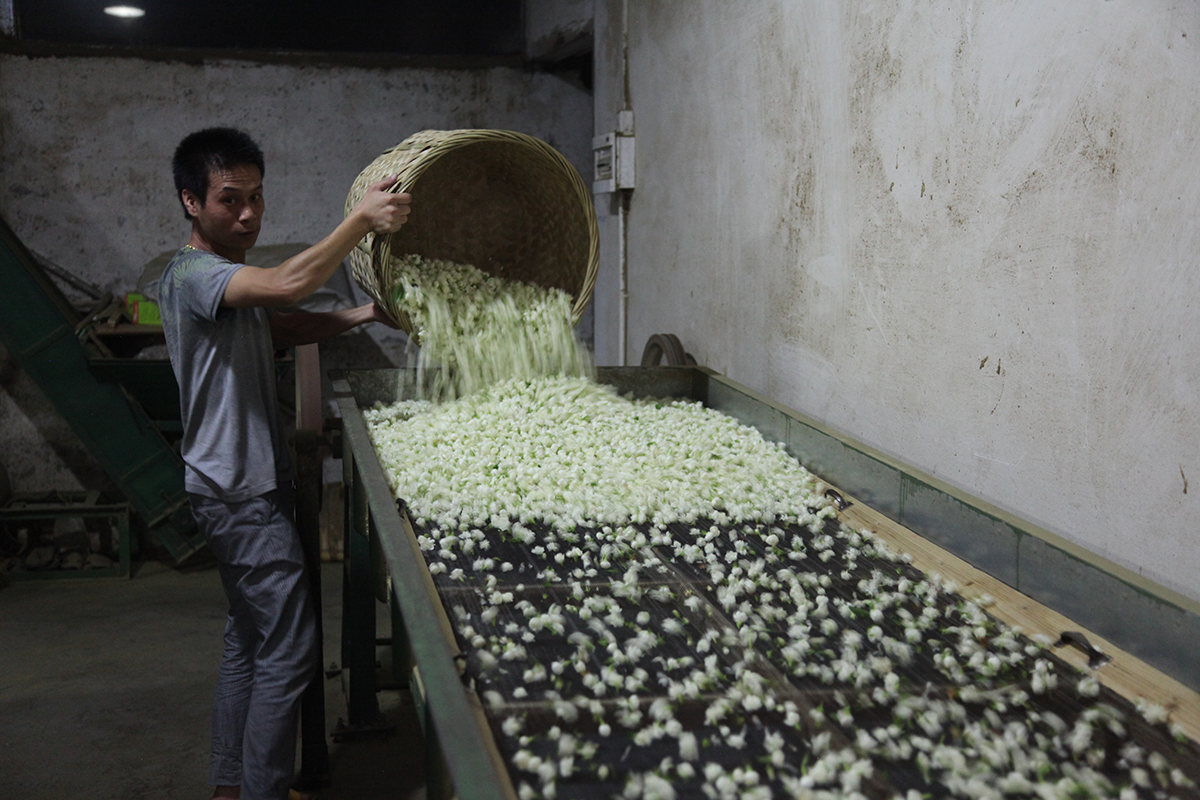
Varying qualities of jasmine tea

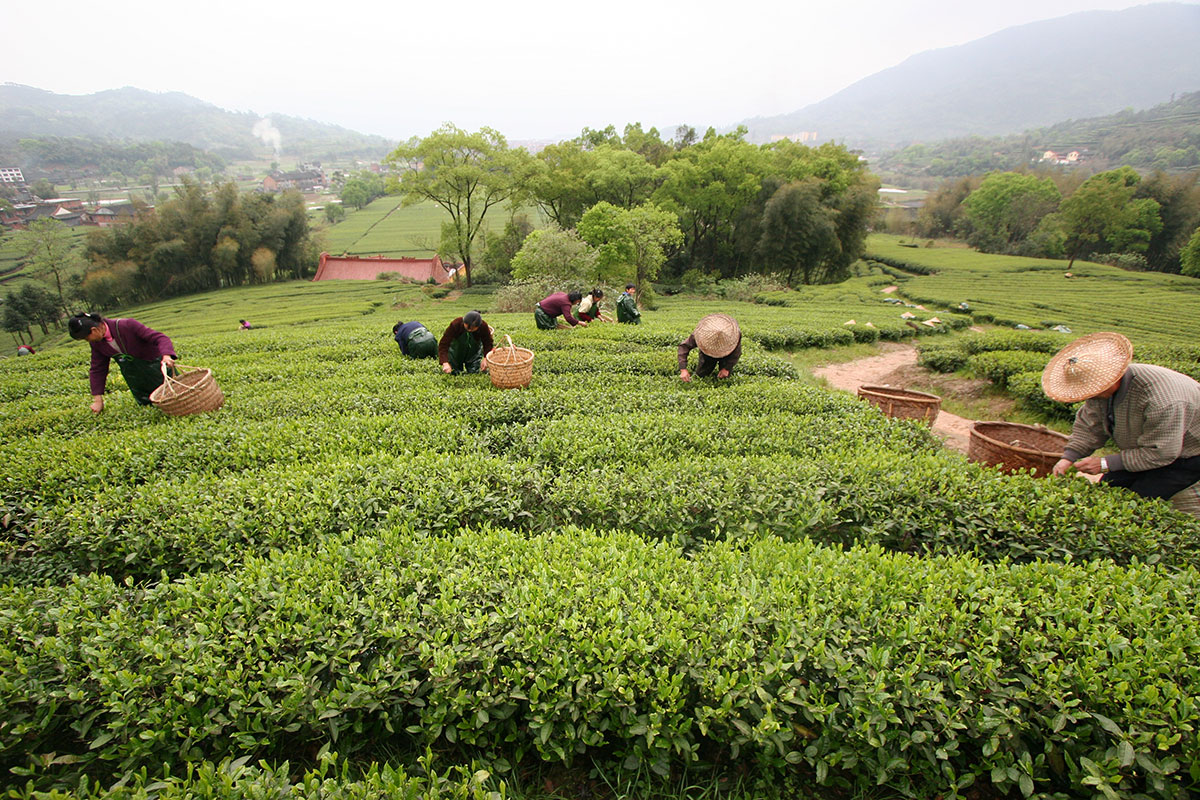
In China, the best jasmine teas come from the Fujian region (photo). They are made using the finest green teas in the province, harvested in April. The jasmine flowers are picked between July and early September. But if we go by volume rather than quality, the biggest producing region is Guangxi. There, they use green tea of a lower quality, while their jasmine flowers from early May to the end of September, hence the high volume, which is double or triple that of Fujian.

Share on Facebook. Tweet this!

Rare smoked teas

24 October 2019
Play
previous arrow
next arrow
Slider

Smoked tea, or Lapsang Souchong, is a speciality of Fujian. It is not very popular with Chinese people, and so it is exported. European food safety regulations were tightened a few years ago, and it is now very difficult to find a smoked tea that meets those standards. This is not due to specific pesticides, but because of a molecule called anthraquinone that forms naturally during the smoking process. For several years I’ve been encouraging a number of farmers to modify their smoking technique so that their tea can be approved. This is a slow, ongoing process, but there have been some positive results.

Share on Facebook. Tweet this!

First Steps

6 September 2019
First Steps

Autumn has arrived! For those of you just beginning to explore tea, here are the basics you should know about the plant. Tea comes from Camellia sinensis, a variety of camellia. Several times a year, new growth is plucked from this evergreen shrub to be processed into different types of tea (green, black, white, etc.). The colour of the tea comes not from the shrub itself, but from the way the leaves are handled after harvesting. Tea plants thrive in regions with a hot and humid climate, preferring acidic soil and regular water throughout the year. Finally, altitude (tea plants grow at up to 2,500 meters) enhances the quality of tea while reducing yield.

Share on Facebook. Tweet this!

About the selection of Chinese new-season green teas

26 July 2019
About the selection of Chinese new-season green teas

This year, I have chosen ten Chinese new-season green teas. They include well-known names such as Bi Luo Chun, Long Jing, Huang Shan Mao Feng, Ding Gu Da Fang and Yong Xi Huo Qing, as well as some rare pluckings. There are three aims with a selection like this: the teas must be exceptional, clean, and offer value for money.

I’ve travelled enough in China over 30 years to know where to find the best teas. However, every year, more and more Chinese people are buying these rare teas, and domestic demand has gone from non-existent to high, which has, of course, pushed prices up. Also, although European standards on pesticide residues are the strictest in the world, which is a good thing, they put off a number of farmers due to the long, costly analysis process involved, first in China, then in France.

So the 2019 Chinese new-season selection features teas that are rare, clean and the best possible value for money. Happy tasting!

Share on Facebook. Tweet this!

A bit of shade

19 July 2019
A bit of shade

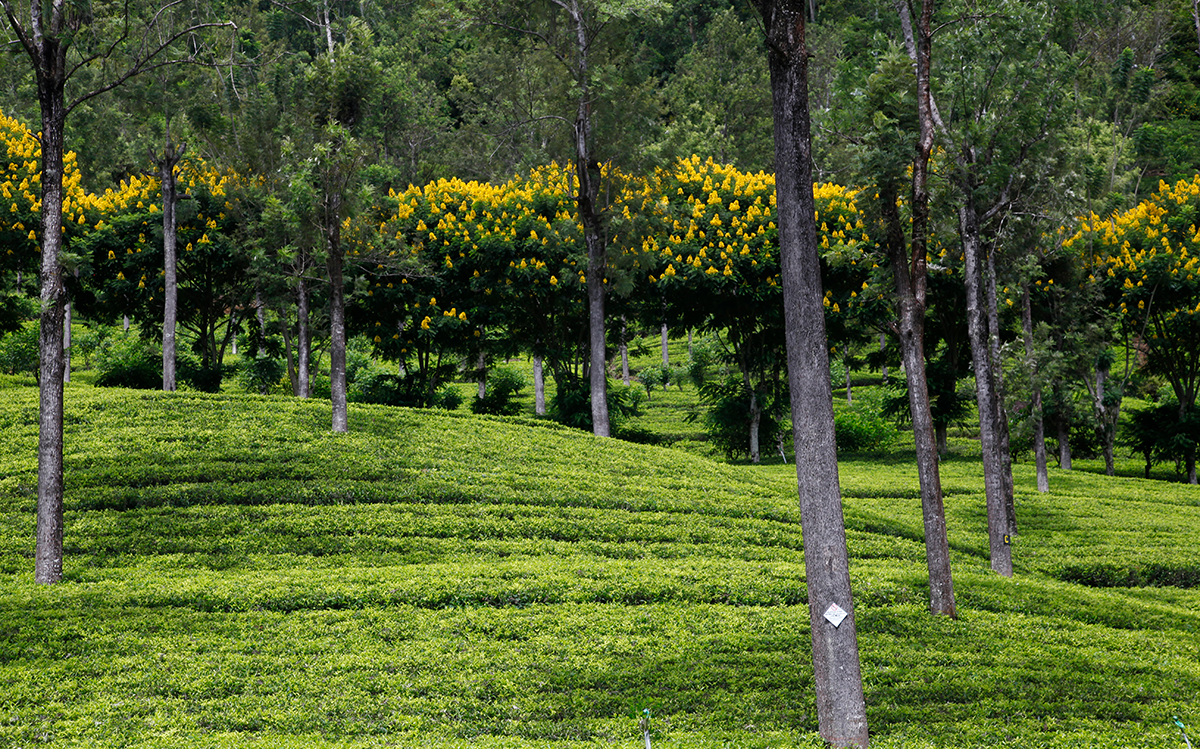
When it gets really hot, tea plants benefit from a few hours of shade every day. So in regions where temperature can soar, trees are planted above them.

We are like the tea plants – dreaming, as we walk around town, of leafy trees that would shade us from the sun and excessive heat.  

Share on Facebook. Tweet this!

A wet shirt

12 July 2019
previous arrow
next arrow
Slider

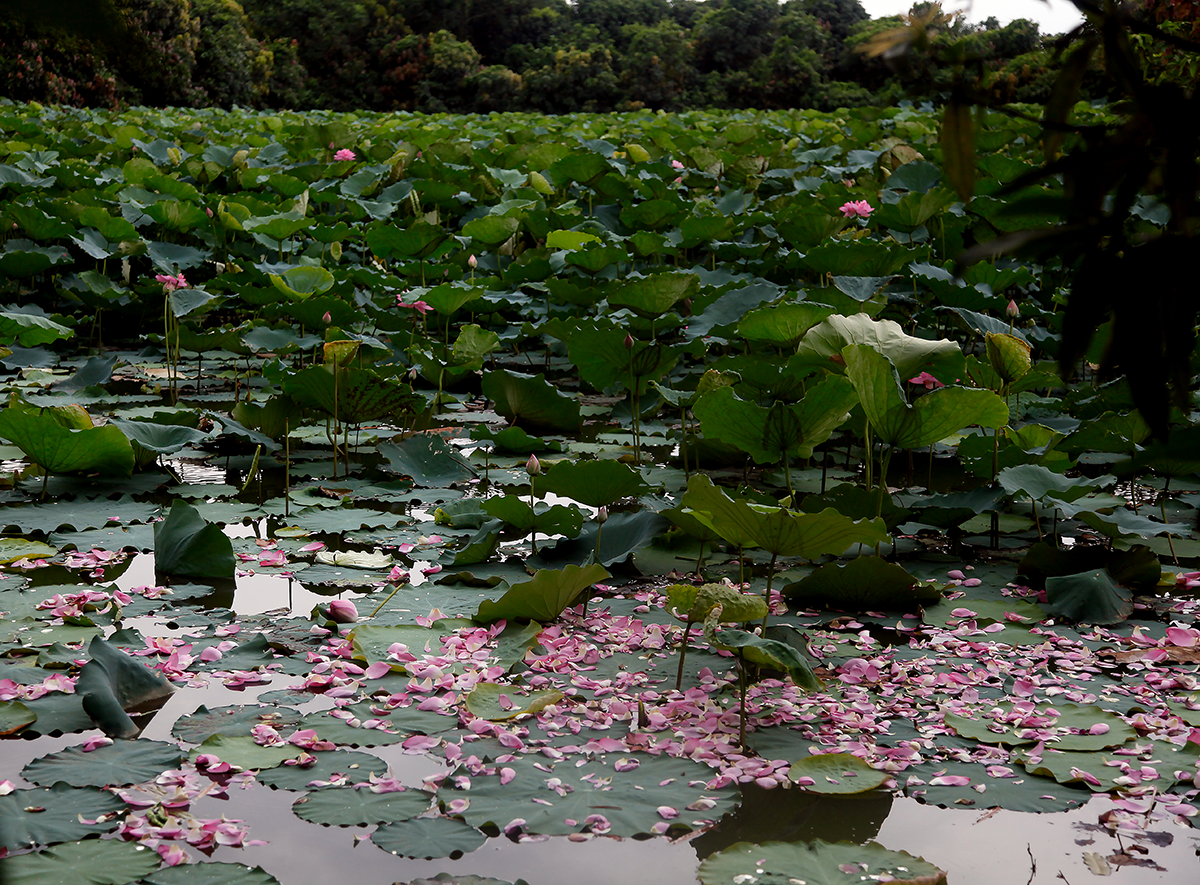
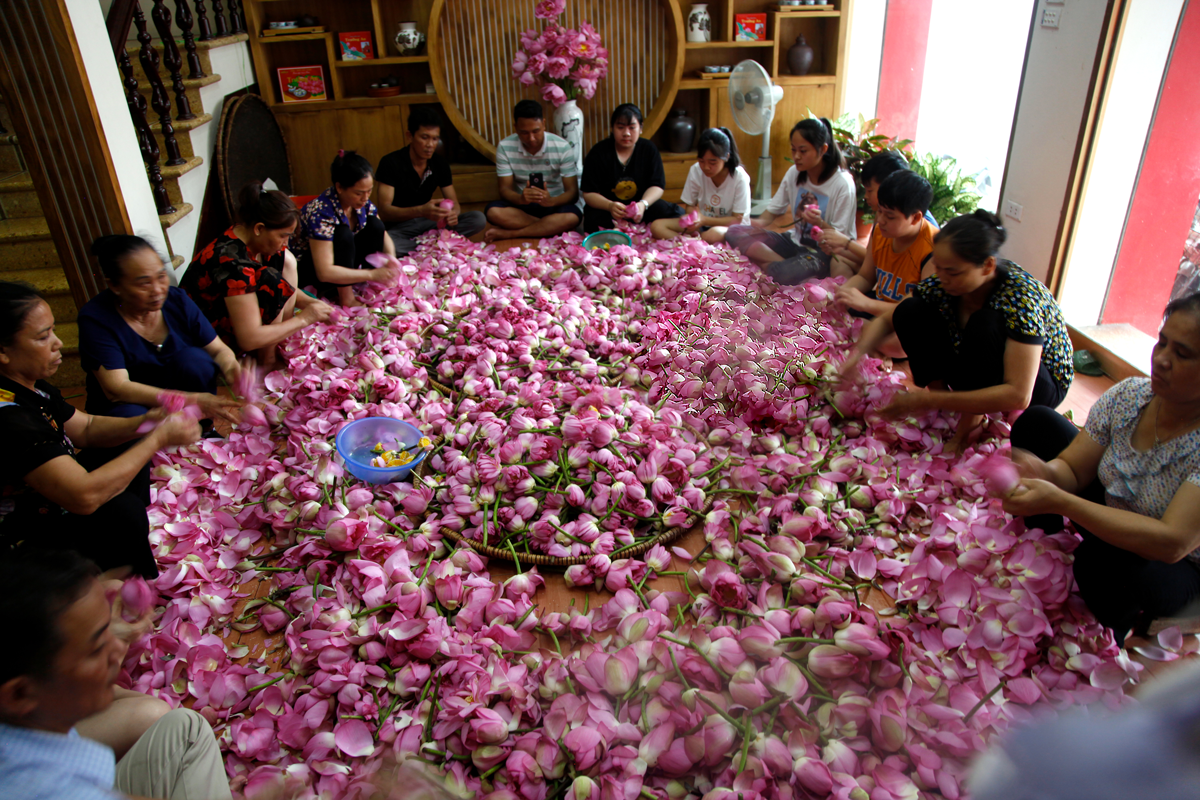
Lotus tea is a Vietnamese tradition. To grow the flowers, you have to get wet. You get wet when it’s time to harvest the flowers. You get wet in the pond, either wading through the chest-height water or in the little leaky boats. And you get wet when it’s time to divide up Nelumbo nucifera by plunging your hand down towards the bottom and grabbing a few rhizomes, which will be planted out in another pond. 

Share on Facebook. Tweet this!

Lotus tea: a Vietnamese tradition

5 July 2019
previous arrow
next arrow
Slider

The lotus flower plays a very important role in Vietnamese culture. So it’s not surprising that the country has a tradition of flavouring tea with the flower, resulting in a particularly sought-after beverage. Production takes place in June and July and requires patience, as the tea leaves are left in contact with the flower pollen for five days in a row.

Share on Facebook. Tweet this!

Harvesting in the treetops in the Golden Triangle!

21 June 2019
Harvesting in the treetops in the Golden Triangle!

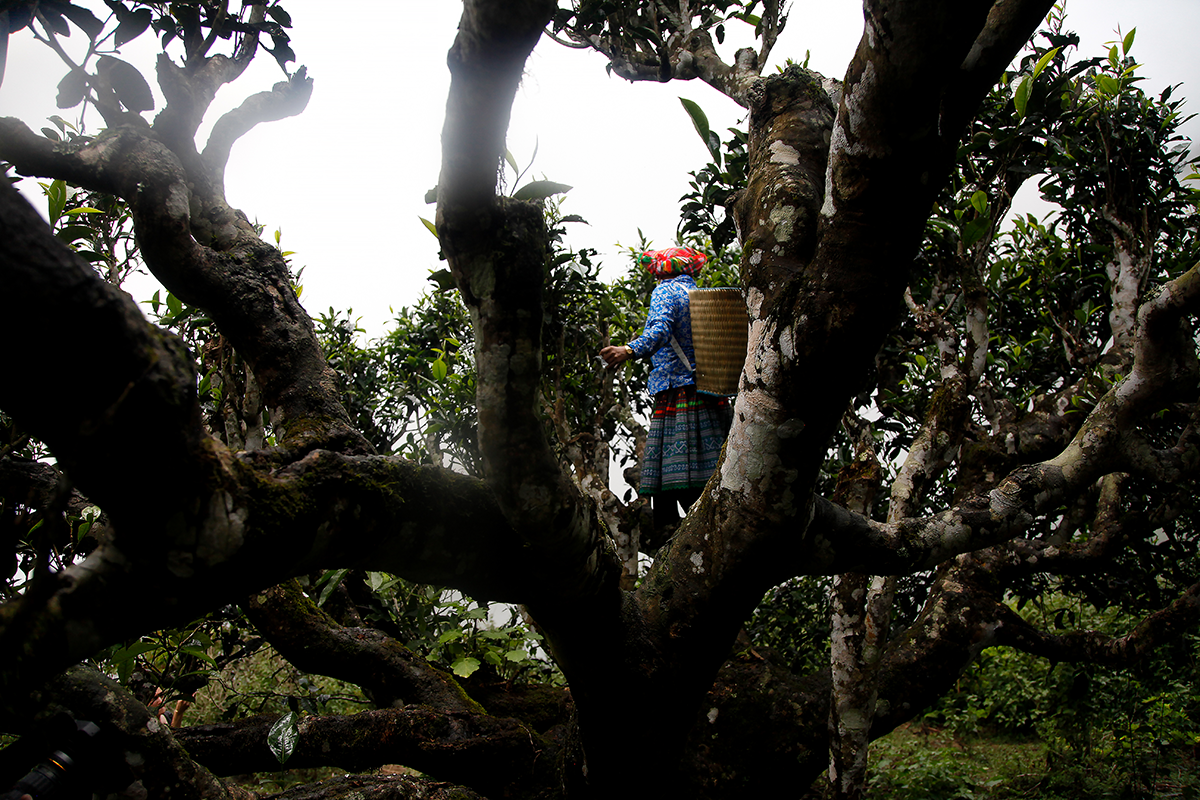
In the region known as the Golden Triangle, you can find tea plants that are not quite like the others. Instead of being pruned at a low level to make it easier to pick the leaves, they are left to grow like trees. When harvest time comes, the pickers must climb up into the camellias, some of which are several hundred years old. The leaves from these trees are particularly sought-after to make Pu Erhs and dark teas. 

Share on Facebook. Tweet this!

Chinese machines launched the Nepalese revival

14 June 2019
Play
previous arrow
next arrow
Slider

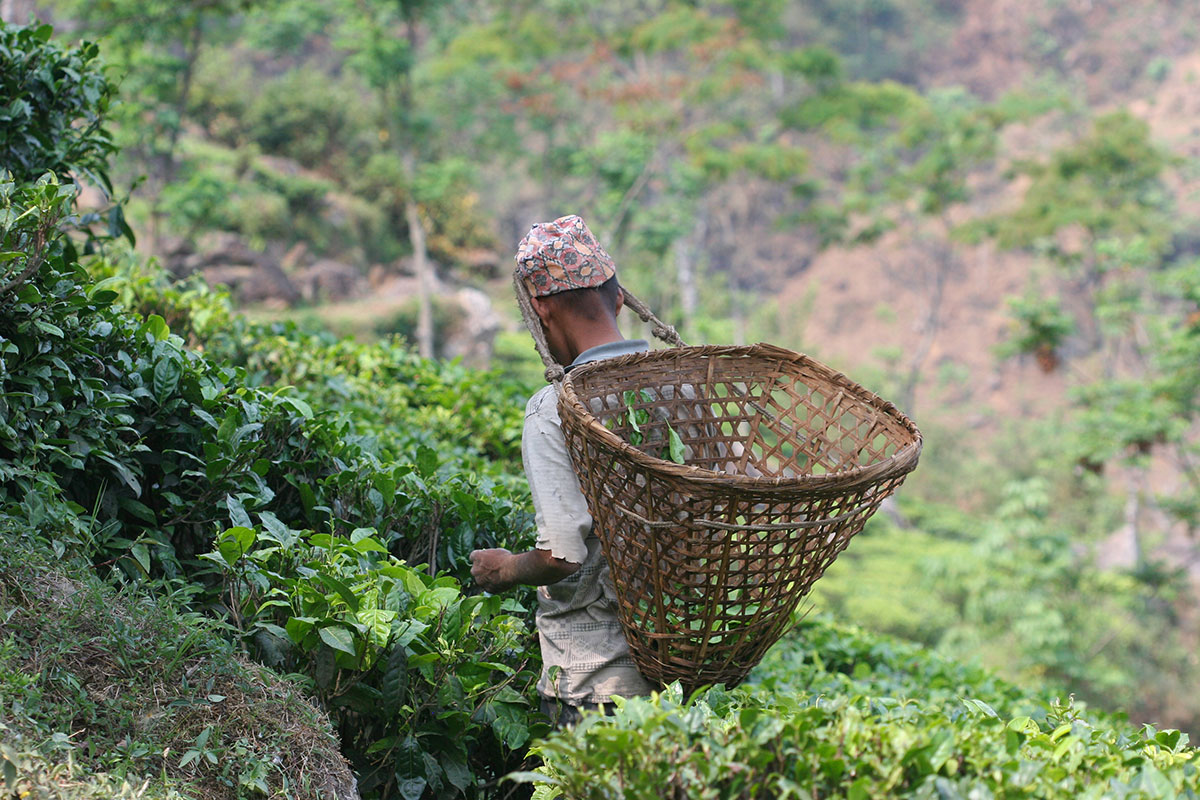
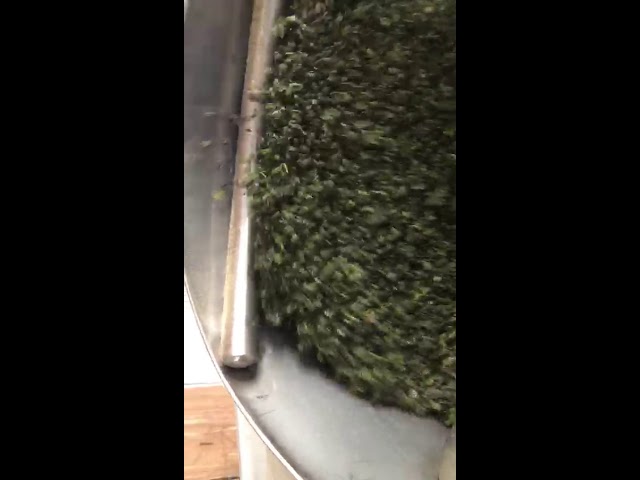
Nepal has been producing tea for nearly two centuries. Originally, the culture and organisation of its plantations were based on the model that existed in Darjeeling. But since then, things have evolved considerably. Just over 10 years ago, a number of enthusiastic tea producers wanted to see how things were being done elsewhere, and brought back from Taiwan and China various small-capacity machines that offer a different and much more artisanal solution for processing tea. Today, these machines are widely used in most of the country’s tea co-operatives. Thanks to their introduction and the dedication of the people who use them, we can now enjoy all sorts of teas from Nepal: white, semi-oxidised, shaped into balls… And from a tasting perspective, they are of a remarkable quality.

This revival of Nepalese tea that we’ve seen in the last decade stems from a break with the old British system.

Share on Facebook. Tweet this!

You can’t rely on a name, even a prestigious one

31 May 2019
You can’t rely on a name, even a prestigious one

Tea can be complicated in that you cannot rely on a name as a gauge of quality, for the simple reason that tea grows in regions which often experience significant variations in weather. This results in variations in quality. One example is that during the monsoon, it rains non-stop for weeks on end, and the tea is obviously not good. A prestigious plantation that sometimes produces remarkable teas in the best seasons is not capable of doing the same during the rainy months. So a prestigious garden can also produce bad teas. This means it’s important for a tea researcher like myself to taste every tea before buying, and never rely on a name. And it’s also important for the customer to be well informed and guided by skilled sales advisers.

Share on Facebook. Tweet this!