Tea Day

17 December 2021
Tea Day

There is some sort of International or National Tea Day three, four or five times a year. Different organisations, some more official than others, have decided that such and such a day should be dedicated to tea – 15th December, for example. Fine. For me, every day is a tea day, starting in the morning with a lovely cuppa when I wake up. Then a bit later, a tea does me good, then later still I’ll have a cup of tea with colleagues and another with friends. I have one in the evening too – a chai, in this case – and enjoy inhaling its delicious scents. A day without tea would be pure misery!

Share on Facebook. Tweet this!

€378,000 per kilo

10 December 2021
€378,000 per kilo

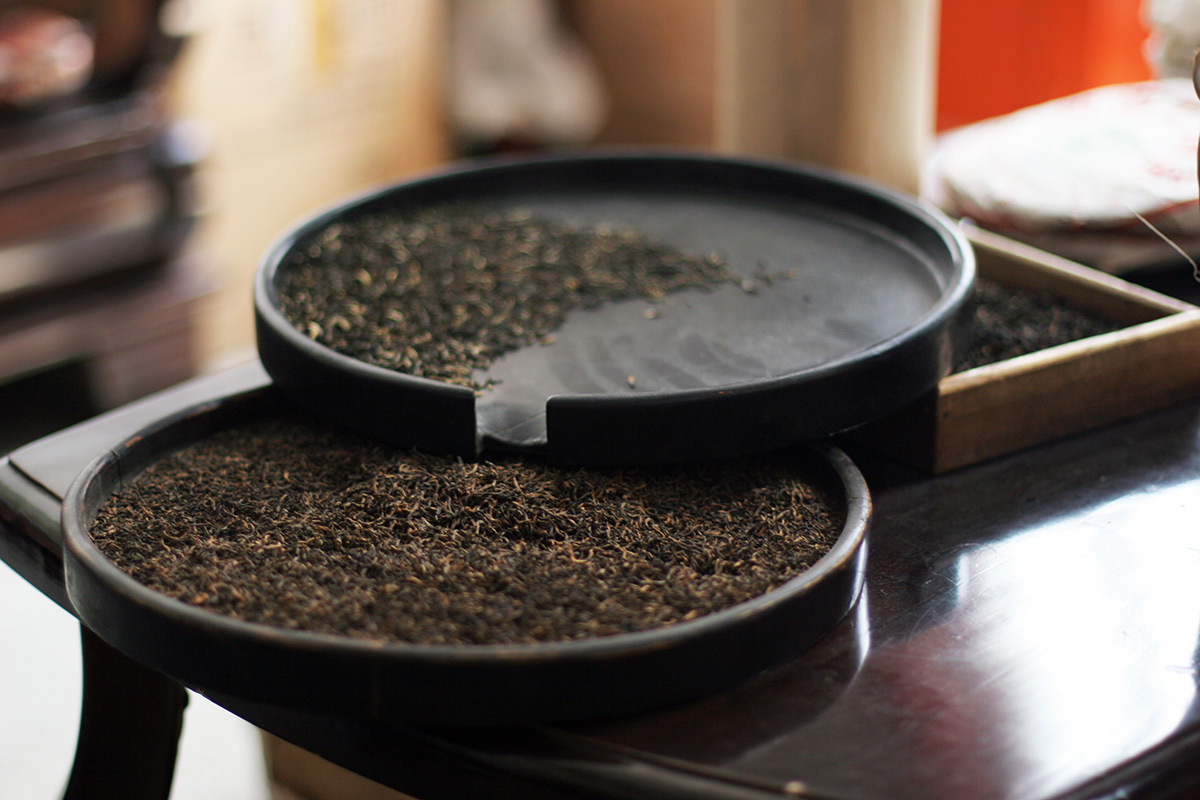
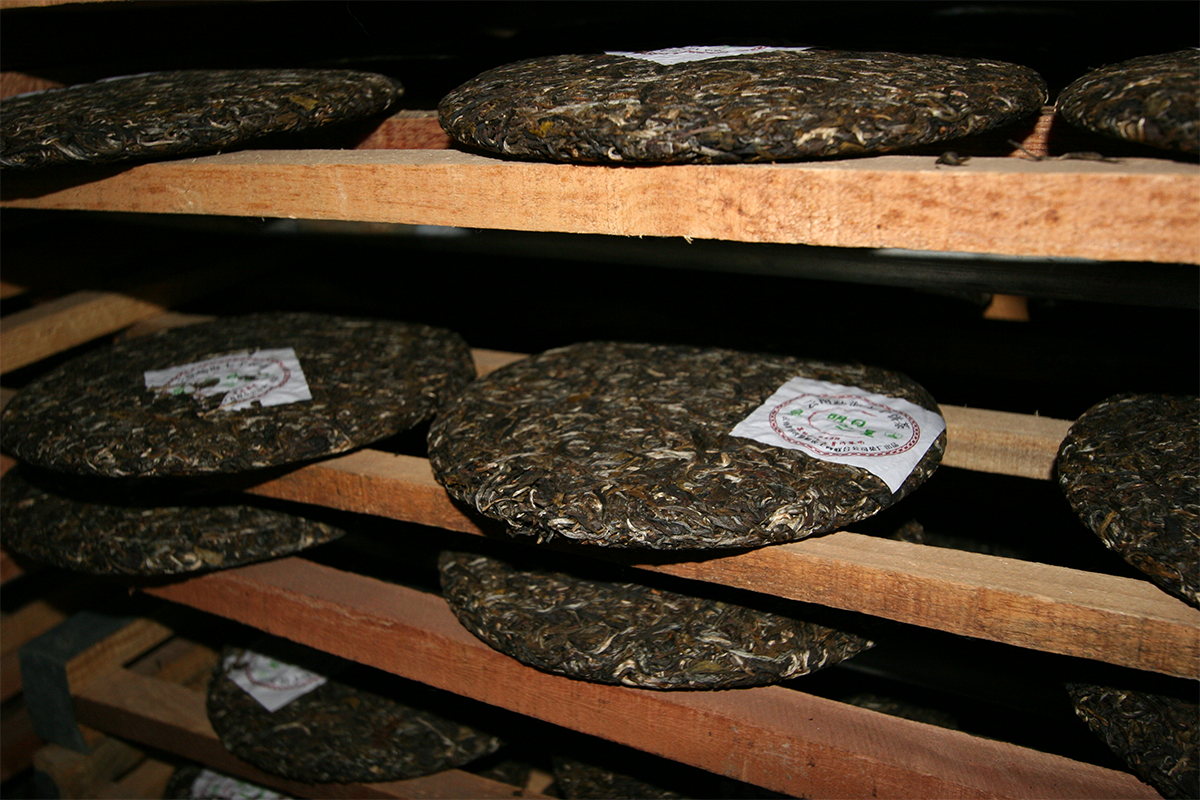
I am often asked how much a tea can fetch. The answer can be found this week on the Sotheby’s auction site, which lists a lot of rare dark teas for sale, the oldest of which dates back to the early 20th century. When compressed into a cake and well preserved, dark tea has the reputation of improving with time. On the famous auction house’s website, one of them is estimated at no less than 900,000 Hong Kong dollars for a 270g cake, which is €378,148 per kilo. If you’re interested, you will have to add the shipping costs to that amount, and don’t delay, as the auction ends on 16th December.
The good news is that a tea of this quality can be brewed several times.

Share on Facebook. Tweet this!

Responsible tea growing

3 December 2021
previous arrow
next arrow
Slider

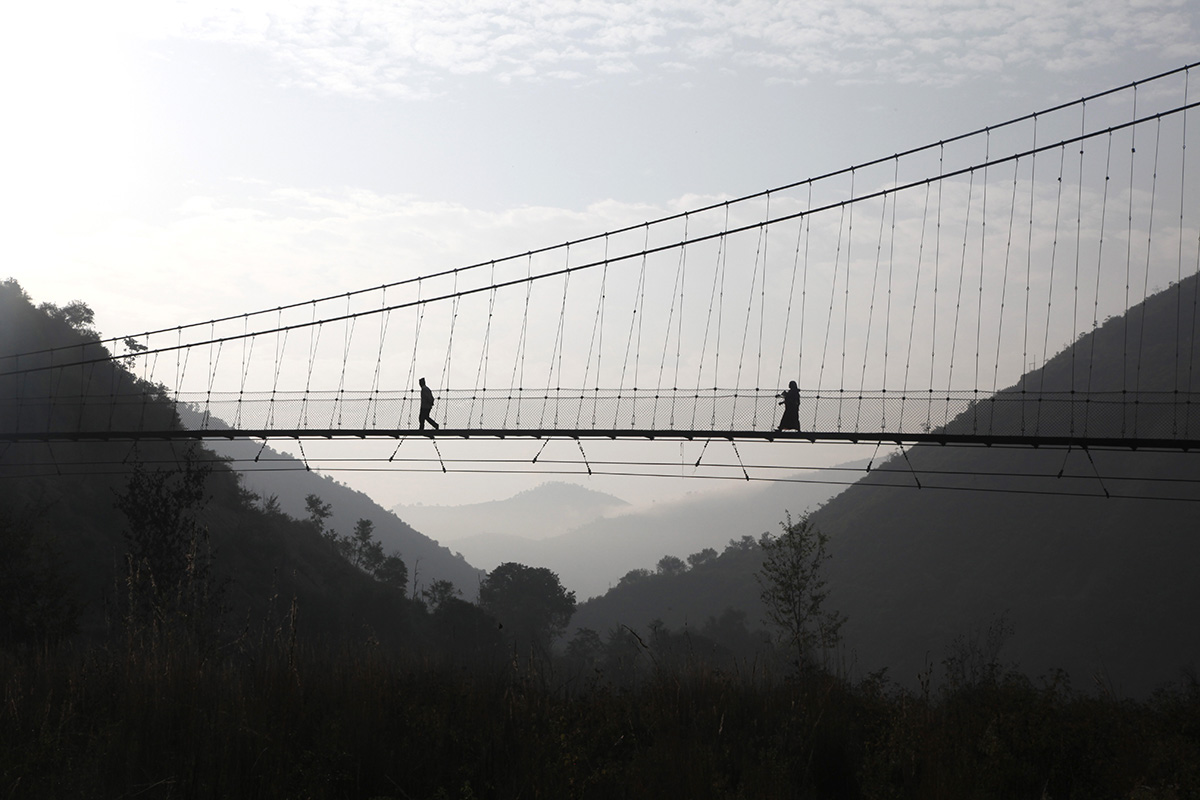
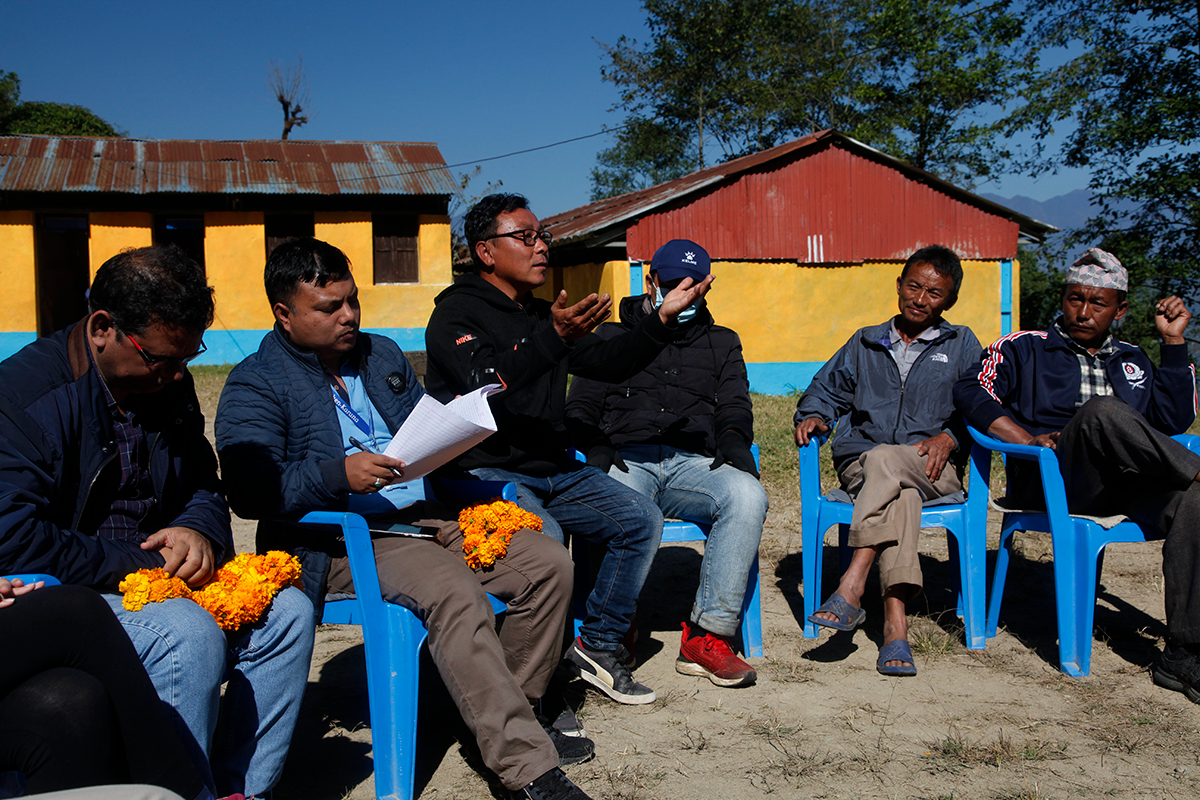
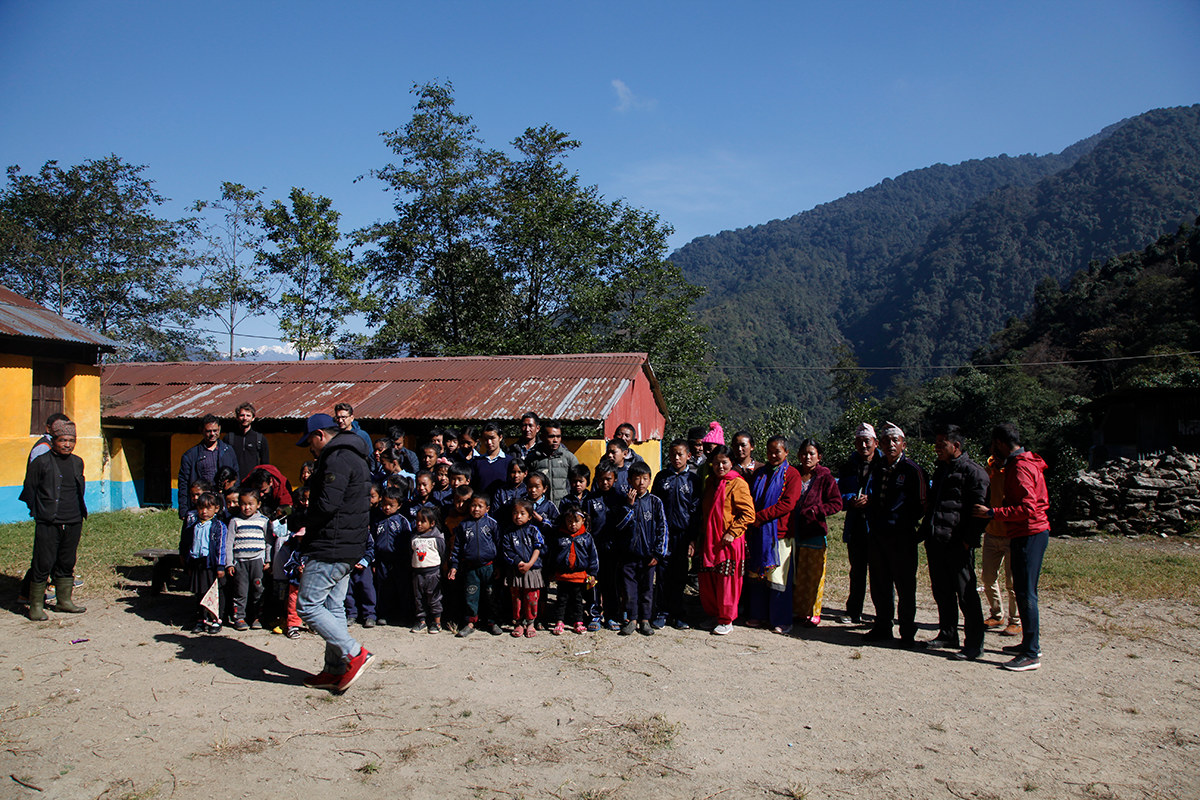
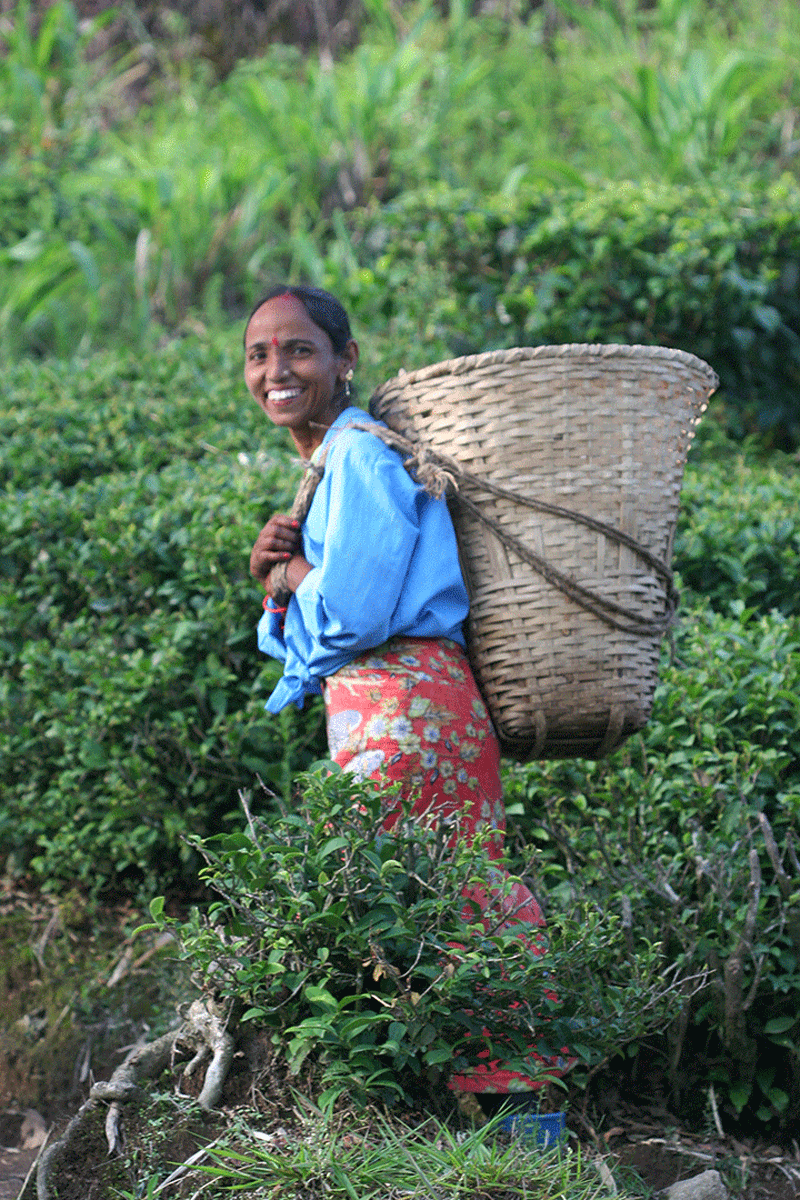
I’m back from Nepal, happy and surprised, after a trip with my friends from Karuna-Shechen, the non-profit association founded by Matthieu Ricard. I asked them to accompany me deep into the country’s easternmost valley to see for themselves the living conditions of the pickers in this region. My aim was to convince them of the benefits of Palais des Thés and Karuna working together to improve the villagers’ living conditions. But after we’d spoken with a number of people in their local language, Karuna’s enthusiastic response left me stunned. Their answer was this: in the 10 years since these villagers have been growing tea, their living conditions have improved to such an extent that we don’t need to be focusing our efforts on supporting them. Instead, it’s important for us to understand how worthwhile tea growing has been for these people, and how producing quality tea that costs 20 or 30 times more than mediocre tea has empowered an entire community to be able to take charge of its own future.

It now remains to be seen how we can help the people we visited so we don’t disappoint them, and above all to understand how this model of responsible tea growing could be easily duplicated.

Share on Facebook. Tweet this!

A taste for creativity

26 November 2021
previous arrow
next arrow
Slider

Tea is steeped in tradition, for sure, but innovation is not forbidden. In Tanzania, Bente, who had the audacity to plant tea trees on a coffee plantation, cultivates a taste for creativity. Sometimes she hollows out papayas and fills them with tea so that the camellia leaves take on their aroma when they come into contact with the fruit. At other times, she blows hot air onto sliced bananas, infusing the tea with a new fragrance. And she does everything in the most artisanal way possible. Bravo Bente!

Share on Facebook. Tweet this!

Different pruning methods

19 November 2021
previous arrow
next arrow
Slider

No two tea fields are the same, and growing practices vary from one planter to another. As far as pruning is concerned, some thin the tea bushes once a year and level out the branches to form what is known as the plucking table. Others, like our friend Bente in Tanzania, pictured here, use a different pruning method to allow more light to reach the bushes, even the lower branches.

Share on Facebook. Tweet this!

The benefits of passing on your knowledge.

12 November 2021
previous arrow
next arrow
Slider

It’s good to learn, but it’s even better if you can pass on your knowledge. I’ve been travelling around the world’s tea gardens for more than 30 years, and during that time I’ve gained enough knowledge that I can share it in my turn. I continue to learn something every day, every time I travel, and I now consider it my primary role to pass on what I’ve learnt. That’s why I ask my colleagues to accompany me on trips, and I plan to do this more. I want them to meet the farmers too, to experience their passion for tea first-hand, to form good relationships with the people who make tea on their mountaintops and who always welcome us with open arms. Here, I’m on the slopes of Kilimanjaro with Chloé and Nathalie and a team of pickers

Share on Facebook. Tweet this!

At the foot of Kilimanjaro

5 November 2021
previous arrow
next arrow
Slider

The only plantation in Tanzania that produces teas that can be considered premium is situated an hour’s drive from the town of Moshi. Actually, it’s more of a garden than a plantation. It really is very small, as you can see from the photo. It makes different batches of tea using truly artisanal methods. The factory is run by a woman called Bente. From her house you can enjoy a magnificent view of Kilimanjaro in the early morning or late afternoon.

Share on Facebook. Tweet this!

Tea sommeliers through and through

29 October 2021
previous arrow
next arrow
Slider

Palais des Thés makes a number of commitments to its customers including having a good knowledge of each growing region, knowing where and how tea is made, by whom and in what conditions. If one wants to give the best advice, to introduce people to tea in the best possible way, it is essential to understand how to choose tea, how to taste it and how to convey one’s sensory impressions. What motivates my colleagues is to be able to share their passion and help others appreciate tea. They are experts, enthusiasts and guides. They are tea sommeliers through and through.

Share on Facebook. Tweet this!

Thinking of friends

22 October 2021
Thinking of friends

The terrible weather in India and the Himalayan regions has caused many casualties and considerable damage, and has had severe consequences in several tea regions including the Darjeeling district and the eastern valleys of Nepal. Southern India was not spared. The devastation was caused by violent rains that led to landslides and tore up roads and bridges, on top of human activities ranging from deforestation to the construction of dams and unchecked urban expansion.

We should pay more attention to our planet and think of future generations with greater compassion at all times and in everything we do.

For those so inclined, I suggest taking some time today to make yourself a delicious cup of tea from Darjeeling or Nepal, to drink it while contemplating a beautiful landscape, for example, and to think of our friends.

Share on Facebook. Tweet this!

Memorable encounters

15 October 2021
Memorable encounters

When people ask me which trips have left the greatest impression on me, I naturally think of the breathtaking landscapes, the Himalayan foothills, the active volcanoes rising up behind the tea fields. I remember the beautiful Japanese tea gardens, the multi-hued trees of Sri Lanka standing in a sea of Camellia sinensis. I recall the long train journeys through all kinds of jungle, and all the times I’ve sat down on a mountain road just to contemplate the beauty of the world. But the experiences that have marked me the most are the human encounters. They are in essence all unique and so many memories come to mind. Among them, the tea pickers of the Golden Triangle from one or other of the region’s ethnic groups (shown here, two Dao women), who we would come across at random in a tea garden hidden deep in a remote forest, after hours of walking.

Share on Facebook. Tweet this!