
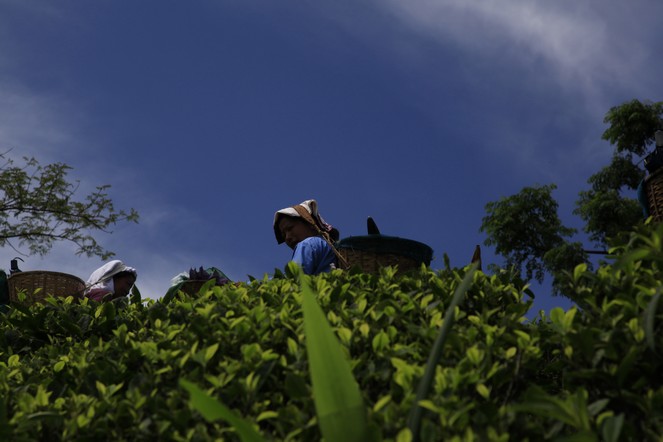
It is not just France enjoying a clear blue sky at the moment. Camellia sinensis is happy in weather that sees rain alternating with cloudless skies. However, it also has a fondness for spells of mist.
Big blue sky above the tea plants
12 July 2013
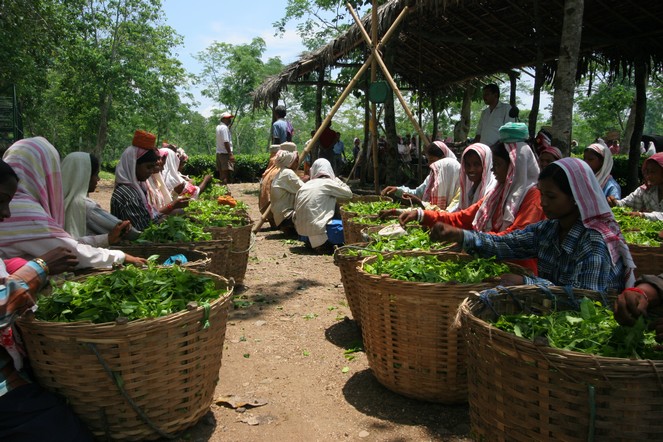
Powerful and full-bodied, Assam teas are worth a detour. Yet these teas are still not that well known. If you like Burgundy wines, I recommend them. You will find the same astringency and lovely finish in the mouth, the spicy, woody notes sometimes accompanied by tobacco and honey aromas.
Don’t these cheerful pluckers make you want to learn more about their tea?
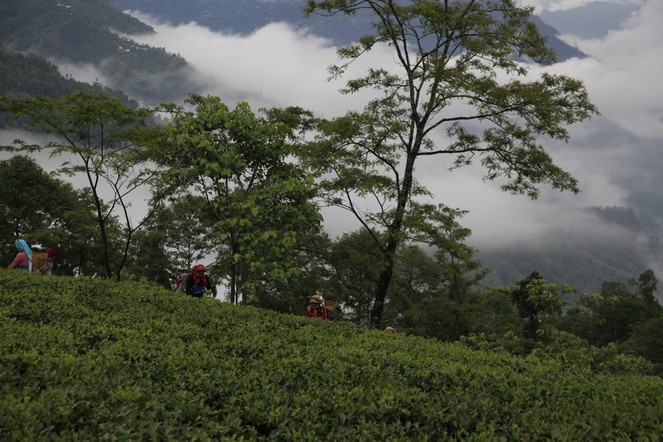
After several days of fine weather, the rain has returned, incessantly, in Darjeeling. Day and night. Heavy rain – without a break. Sometimes accompanied by strong winds and hail. With rain like this, nobody can produce good tea because the leaves grow too quickly.
Luckily, just as the rains started I bought three incredible batches: Puttabong Clonal Queen DJ232, Puttabong Kakra Muscatel DJ223 and North Tukvar Delmas Bari DJ101.
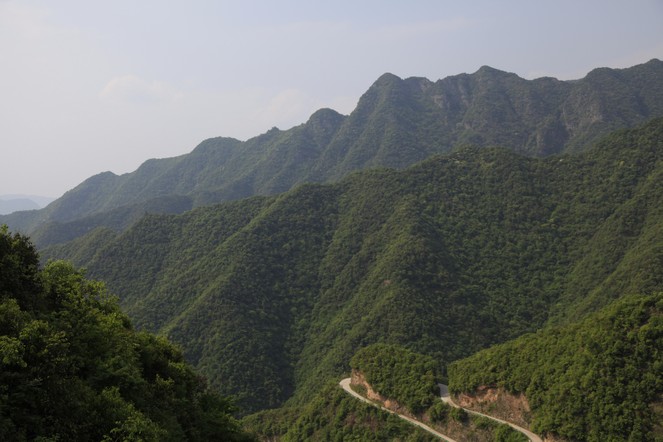
Among the best-known green teas in China are names such as Huang Hua Yun Jian and Yongxi Huo Qing. A couple of weeks ago I decided I wanted to visit the villages that produce these two rare, delicate teas. I have a weak spot for the first one in particular.
It is difficult to imagine the number of hours it took me to get there, over mountains and passes, before finishing the journey on foot along a path of stone and mud. It just proves that the finest teas are worth it.
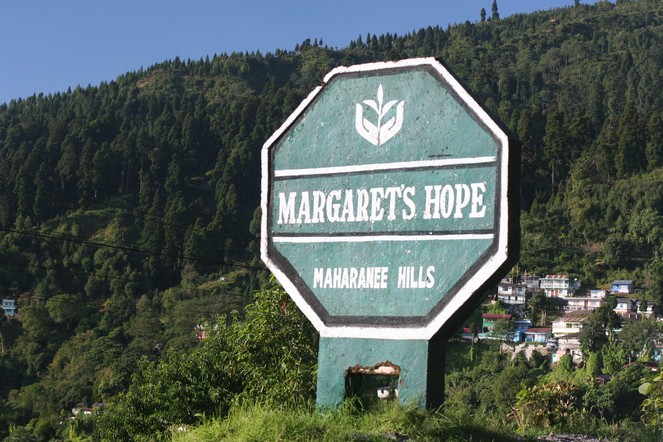
Margaret’s Hope has one of the best reputations among Darjeeling gardens. It has built this recognition mainly on its second flush teas, those harvested from mid May to mid June. However, it does also produce some very good first flush teas. Indeed, I have just bought a truly unique batch from Margaret’s Hope, made up almost entirely of buds. It looks like a white tea. It is exceptionally subtle. In the cup, it develops smooth, sweet, elegant qualities that are totally unique.
It is without doubt the very best batch of its kind produced by this garden in recent years. Tea drinkers with an educated palate and who appreciate the rarest fine teas will love it.
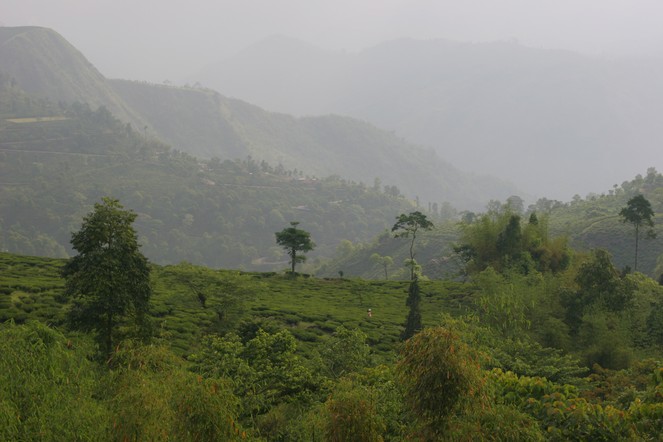
This morning, I had the pleasure of meeting Abhishek Bagaria, the owner of Phuguri Tea Estate, Orange Valley Tea Estate and Millikthong Tea Estate. He hopes to be able to go ahead with the harvesting on his various plantations in the next couple of weeks.
After a cold, dry winter, the weather conditions are now favourable. We must now just hope that the political tensions which have reignited over the thorny issue of autonomy for the Darjeeling region will not lead to strikes and road blocks.
There are still hurdles to overcome before we can enjoy these Darjeeling teas – but they will be worth the effort!
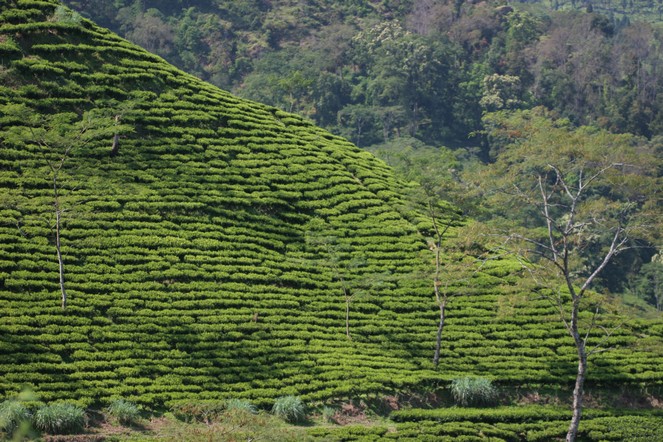
In a few weeks’ time, the spring tea harvest (first flush) will begin in Darjeeling. The weather is a decisive factor in determining the timing of the harvest, and Darjeeling fans will be as happy as I am to learn that it has finally just rained there, after a long period of dryness.
Anil Jha, the planter at Sungma, has just informed me that on the night of 16 February, between 18 and 32 millimetres of rain fell in the region.
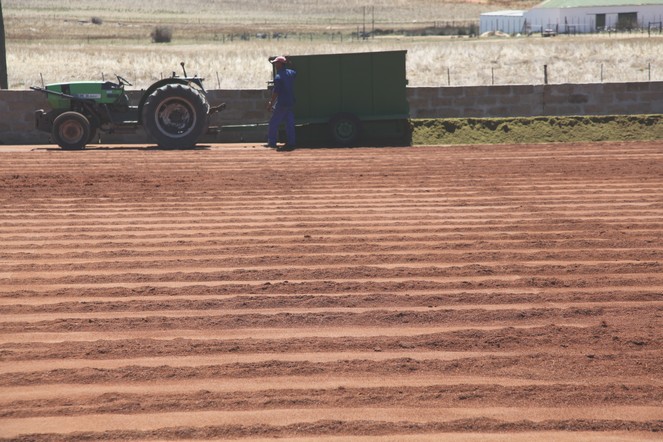
As soon as they are plucked, the rooibos shoots are cut and sprinkled with water. Then the oxidation process can begin. This takes place outside and causes the leaves to change colour, from green to brown. When it has oxidised to the right degree, the rooibos is spread out on the ground in a fairly thin layer, so it can dry in the sun.

It is only 38 degrees centigrade at the moment in this desert of stone and sand, situated three hours’ drive north-west of Cape Town (South Africa). This temperature is relatively clement, as rooibos is often harvested at around 45 degrees. The heat does not bother Aspalathus lineari, also known as rooibos. With roots that bury themselves to depths of up to four metres, the bushes seek coolness deep in the ground. I wish I could do the same!

South of the beautiful Lake Innlay, so often shrouded in mist, is one of the two mountains on which the Burmese grow tea. Around Pingluang, more specifically, about 30 kilometres south of the famous lake. This is in Shan State, and it is this beautiful region
I have chosen as the destination for my first journey of the year. Myanmar is changing and is opening up to the rest of the world, and it is time to find out what kind of teas they make in this country.