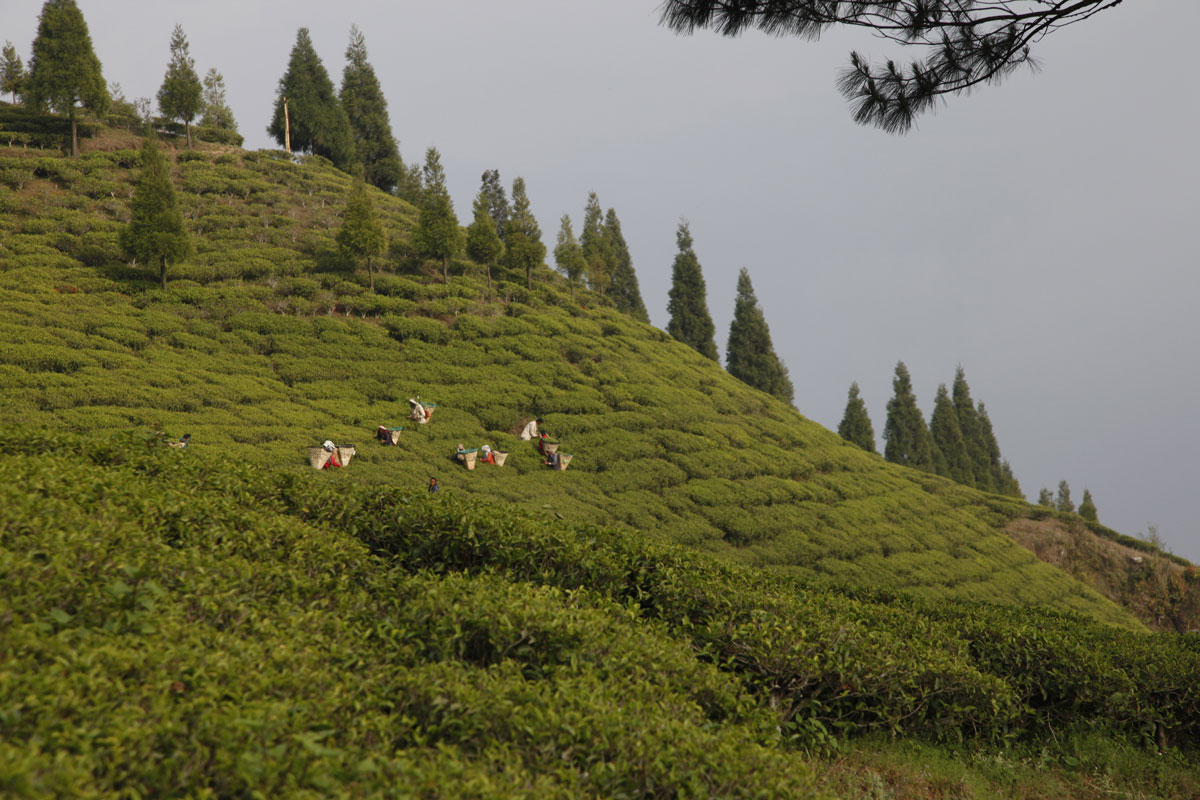
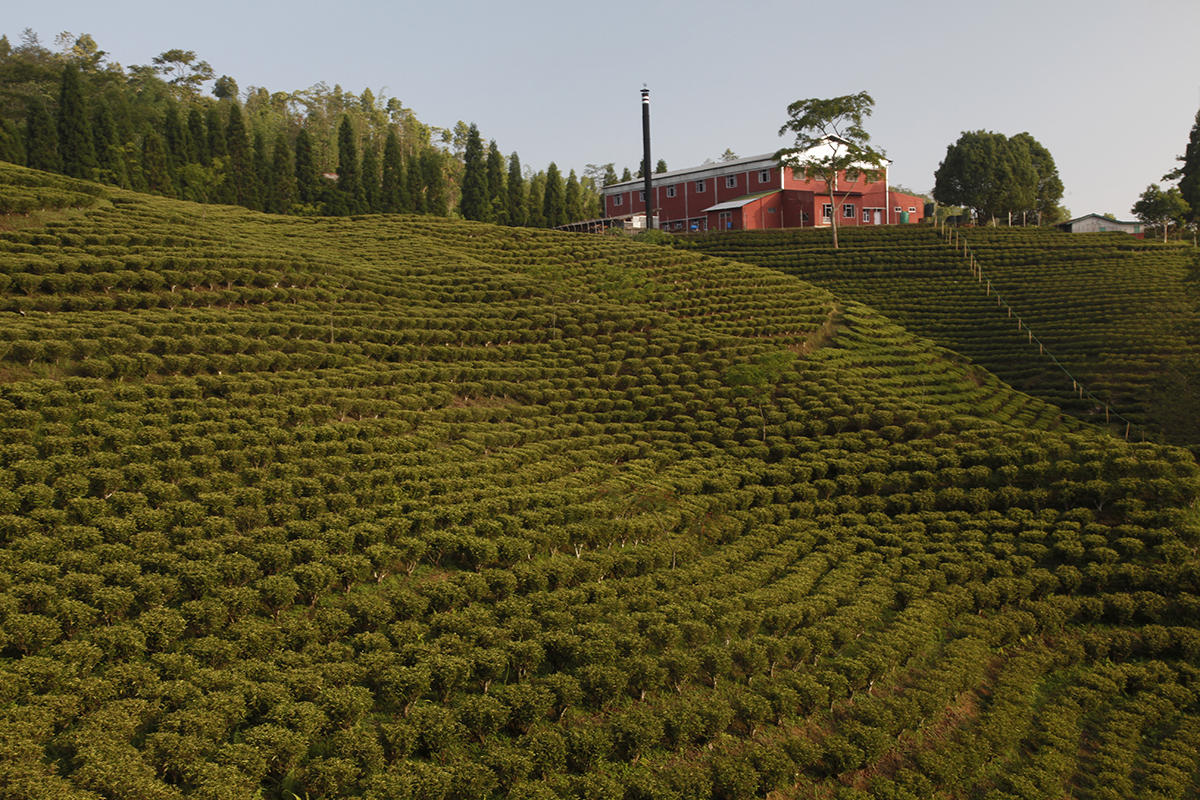
In Darjeeling and Nepal, you cannot trust the name of a garden blindly. Of course, plantations such as Turzum, Singbulli, Puttabong, Thurbo, Margaret’s Hope and Castleton have a much higher reputation than others. The same goes for Guranse and Shangri La in Nepal. But it is essential to understand that even the most prestigious gardens cannot produce high-quality teas all the time. At some point in the year they end up selling pretty nondescript ones. During the rainy season, for example, even an experienced planter cannot produce good tea, because the leaves grow too quickly and have no time to develop their essential oils. Also, each plantation has plots that are more or less well oriented, and planted with different cultivars. On Monday you might produce a sublime tea using leaves harvested from an excellent plot, and on Tuesday produce a very ordinary tea from a different part of the plantation. To sum up: yes, some gardens can make remarkable teas, but watch out, as they also produce mediocre ones. So you have to be very selective, and taste a vast amount of tea, to be able to recognise the best.
From plant to cup
There’s a spring tea for everyone
For those who want to try spring – or first-flush – teas, here are some tips. Darjeelings harvested in March and April develop sustained floral notes accompanied by a touch of astringency and bitterness. For a combination of brioche and floral aromas, try Nepalese first-flush teas, which are harvested from the start of April. Those who enjoy chestnut, mineral and vegetal notes would do well with new-season Chinese teas. (The rarest and most sought after, and therefore the most expensive, are those known as pre-Qingming teas, harvested before Chinese Tomb-Sweeping Day which takes place at the beginning of April). Lastly, for fans of iodine, cut grass and steamed vegetable notes, Japanese Ichibanchas are a pure delight. They are harvested between the end of April and the middle of May. Of course I haven’t covered them all here, and there are other countries to discover, but if we are talking about springtime and nature reawakening, and you want teas that evoke gardens and rising sap, these are the ones I think of first.
How we choose our first-flush Darjeelings
First-flush Darjeelings are the most difficult teas to buy, because production is not organised like it is elsewhere. In Darjeeling, they pick leaves from the same plants every seven to 10 days, and as plantations are divided into around 10 plots, it means they are constantly harvesting. As soon as the leaves are picked, they are processed; this batch is then sold as one lot. This means that each of the region’s 80 plantations produce a tea every day, and those are just the whole-leaf teas – the best, of course. These plantations do not mix the leaves from one day with those from the next day. The result is that six times a week for around six weeks, each of the 87 plantations puts a tea up for sale. This totals around 3,000 different batches of first-flush – or spring – Darjeelings to taste. Quality can vary considerably from one batch to another. Even when they come from the same plantation, one tea can be a hundred times better than another, if you want to quantify those differences.
Of course you cannot rely wholly on the name of a garden, or on a variety; that would be too simple. Only blind tasting allows you to judge a tea’s quality. This must be done quickly, very quickly, because although there are not many of us who receive these samples (only around 30 buyers in the world), sometimes a very good tea can sell just 30 minutes after the few grams of the sample have been received. So you need to work quickly while remaining calm and focused. But these teas that come from the roof of the world are generally worth the effort. They are the first teas of the season. They have a lovely spring freshness and incomparable floral, zesty aromas.
A tea rich in antioxidants
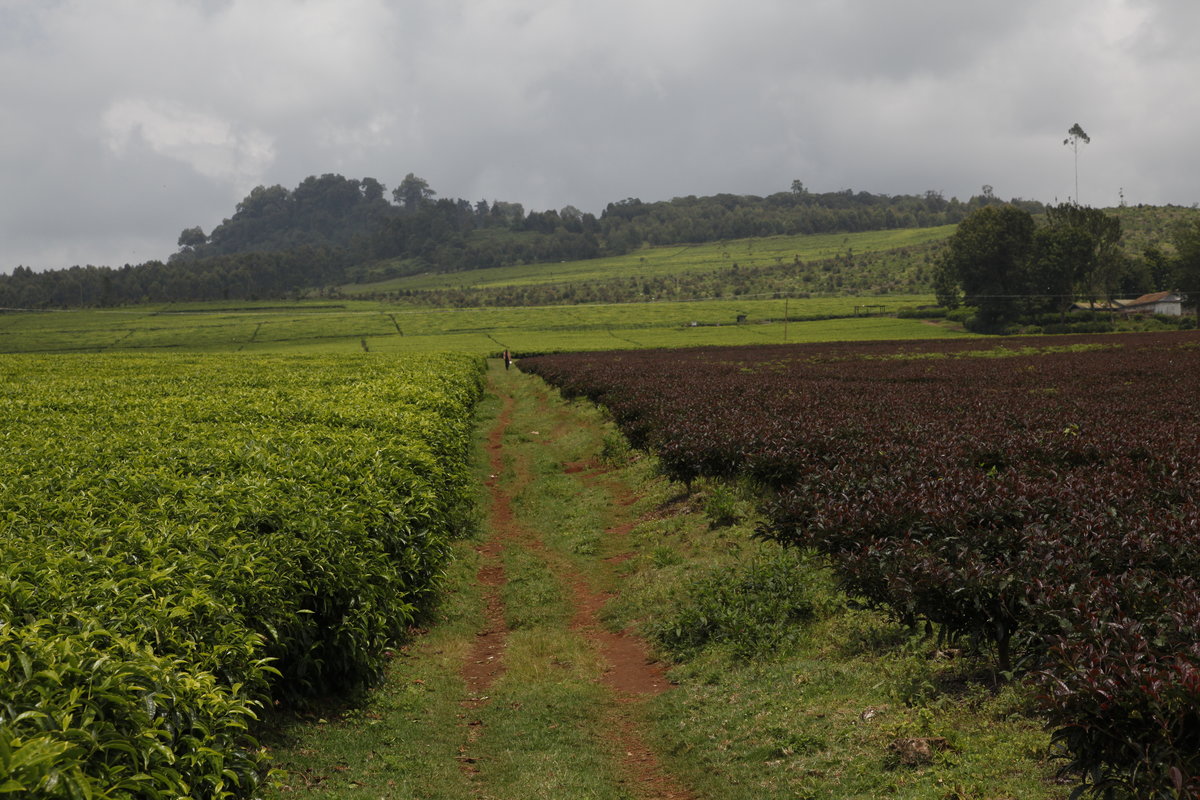
We might want to drink a tea for its flavour qualities, but at the same time we can be aware of its benefits and in particular its polyphenol content. One of the varieties with the most antioxidants is TRFK 306/1. It was developed by the well-known Tea Research Foundation of Kenya (TRFK), which I have visited. What is special about this variety, in addition to its polyphenol content, which is 1.5 times higher than other teas, is the colour of its leaves. You can see here, on the right, their lovely purple hue.
Japan, the end of the single variety
Last week I talked about how the mixing of tea leaves by Japanese co-operatives can limit the range of flavours in the country’s teas, but there are also some very positive developments coming from Japan. For example, a few decades ago, the country could be described as mono-cultivar: the vast majority of growers used the Yabukita variety. Happily, today, there are an increasing number of cultivars used in Japan, such as sae-midori, oku-hikari and asatsuyu. A greater range of cultivars means that once the tea is infused, it produces a wider palette of aromas and flavours. And that is good news for tea lovers.
Combining leaves limits flavour variety
I have a regret when it comes to Japanese teas. My Japanese friends know it and share it. It is this: in Japan, few farmers produce finished tea. They are not usually set up to do this in terms of equipment. Most farmers focus on growing the best possible tea and harvesting it at the optimal time, but then they immediately sell the fresh leaves to co-operatives, who finish the production process. However, these co-operatives don’t keep the batches separate so they can process them individually. They put all the tea harvested by different farmers together. This results in a certain uniformity of flavour, whereas if each farmer took care of the production process right to the end, we would undoubtedly get a wider variety of flavours and aromas.
In Japan, tea is harvested three or four times a year
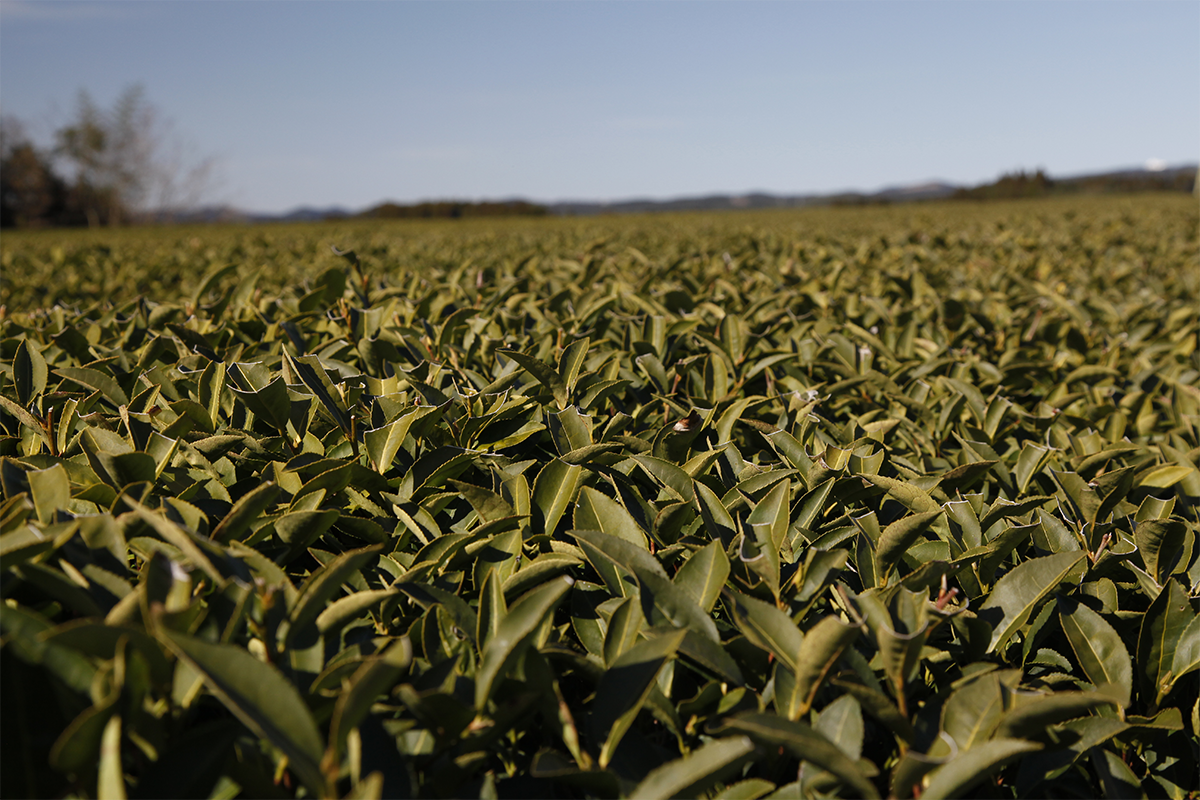
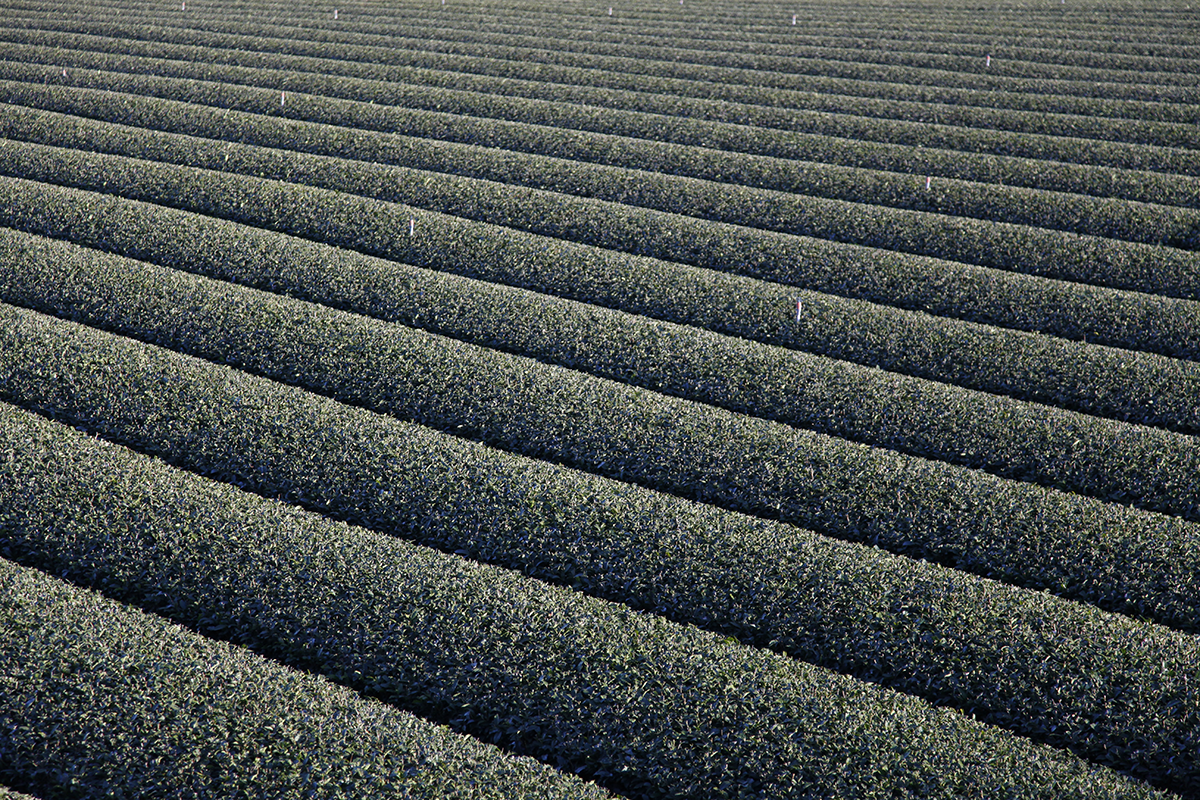
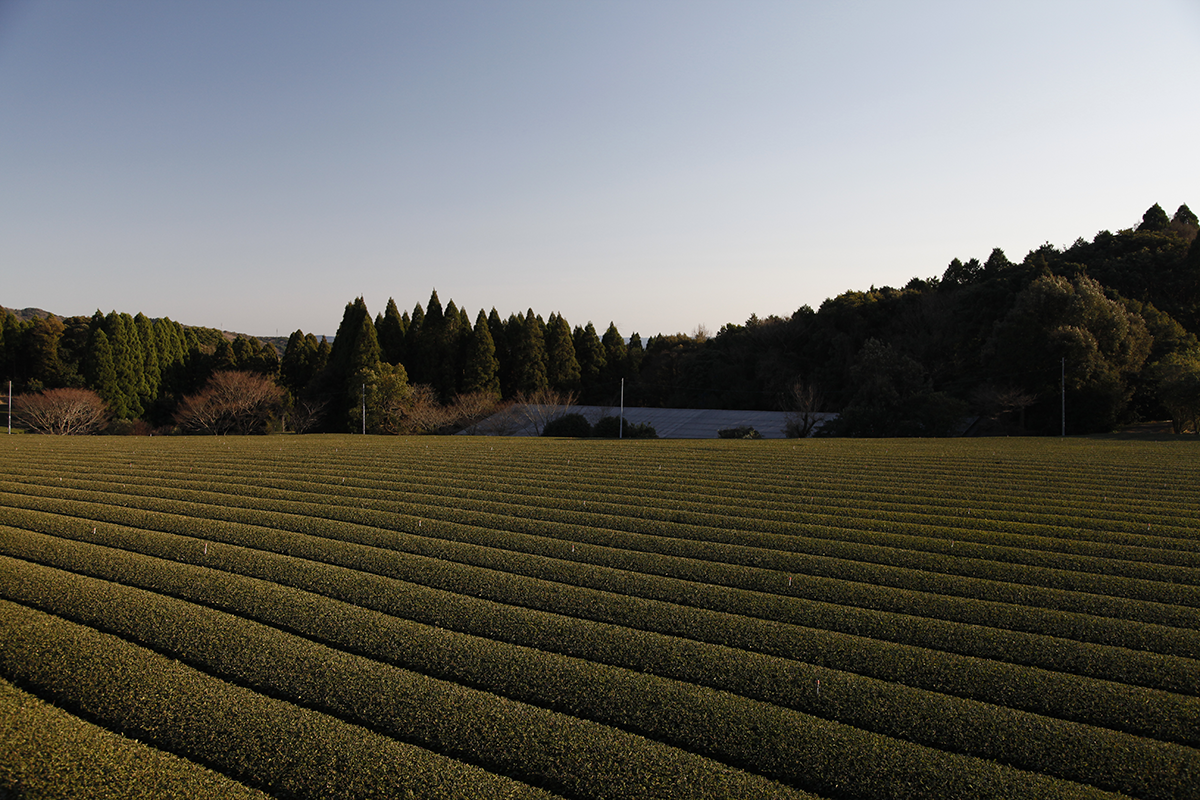
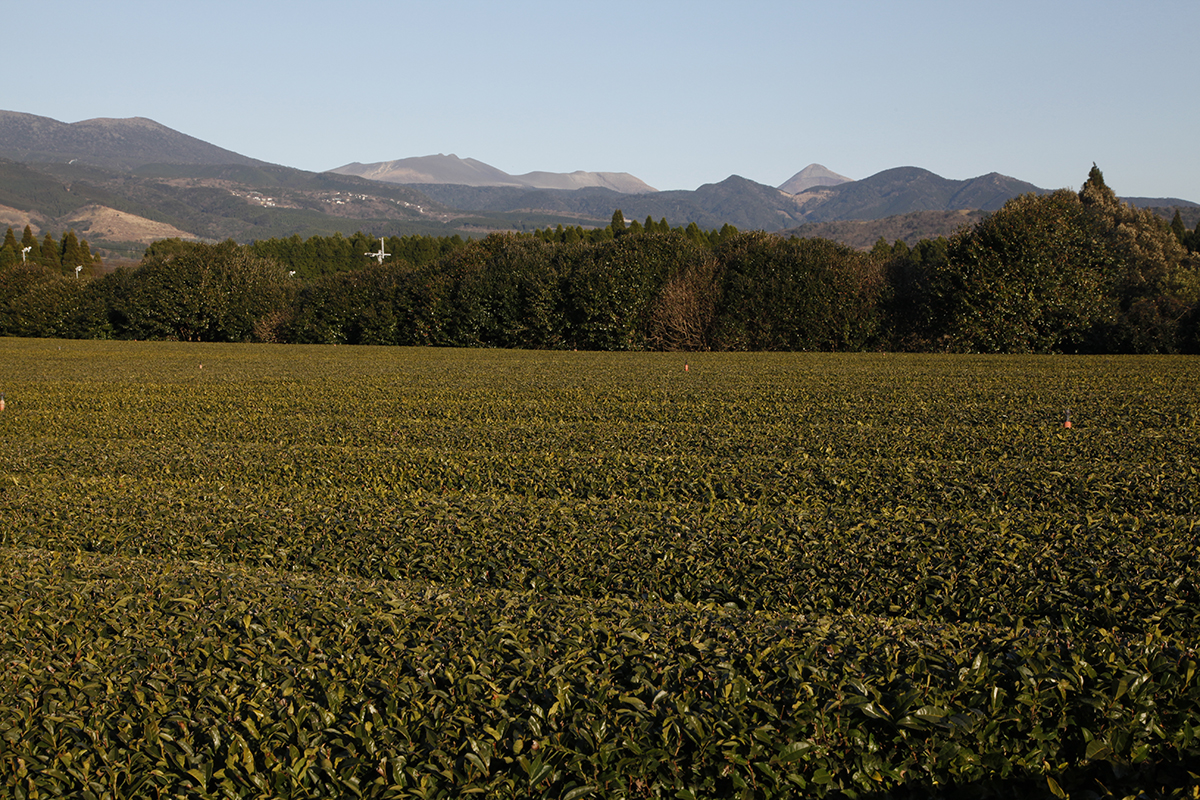
In Japan, harvesting is often done by machine due to the high cost of labour. So instead of picking the leaves every week, as is the practice in some parts of the world, they are harvested three times a year, in spring, summer and autumn. On the island of Kyushu, which is hotter than the islands further north, tea can be harvested four times a year – in April, June, August and October. The most prized harvest is the first one, known here and elsewhere in Japan as Ichibancha.
A volcanic plantation
In the far south of Japan, the tea fields’ proximity to active volcanoes means the leaves have to be treated in a special way. Several times a year, the volcanoes spew out ash that is deposited on the surrounding land. So once the leaves have been harvested, they are rinsed before the first stage in processing: steaming. The rinsing in cold water lasts for 30 minutes and no longer, to minimise the loss of aromatic compounds.
Kuwapani: a rather unordinary past
Some tea plantations have rather ordinary origins, and the Kuwapani plantation is one of them. A few years ago there was a rundown angora rabbit farm in Kuwapani that was only just limping along. I’m talking about the farm but I’m sure the same could have been said for the poor rabbits, bred for their fur alone. The owner saw a tea plantation being established on the hill opposite, followed by another. He observed the harvesting and processing of the leaves. He developed a taste for what his neighbours, Jun Chiyabari and Guranse, produced, and he witnessed their growing success. Then, one day, he decided to change his business, radically. He opened up the hutches, installed machines in his main building to process the tea leaves (rollers, dryers and so on), planted his land with tea, recruited an experienced, talented man to oversee the work, and a few years later the Kuwapani plantation had made its name in the world of tea. I heard this story while I was staying at Kuwapani and asked the owner about an object that had been intriguing me. On the mantelpiece in the living room sits a magnificent porcelain rabbit.
Little Adam’s Peak
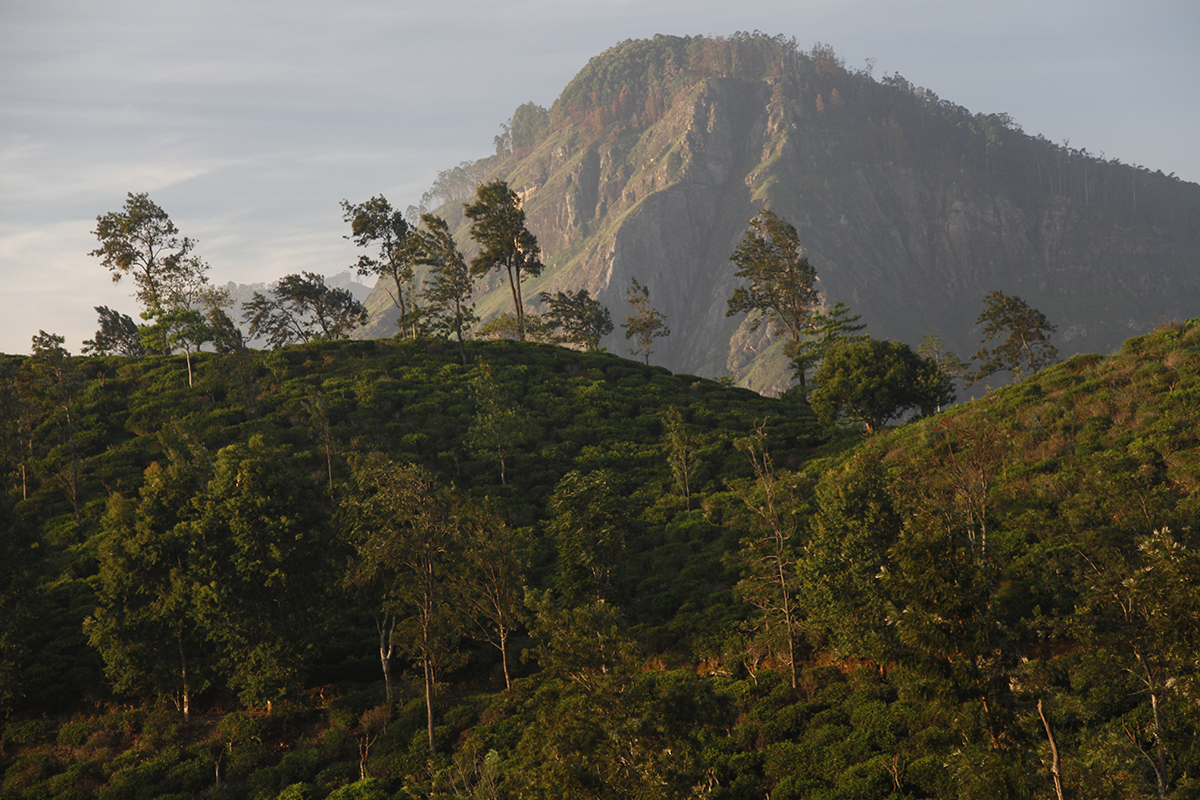
I was incredibly fortunate, when I woke yesterday without knowing exactly where I was, to discover this sublime view from my bed. I’d arrived in Ella late the night before, from Ratnapura, and without the moon I couldn’t get a sense of the landscape. I was woken at 5am by the birds singing, as well as the shrill cries of the squirrels, who were celebrating daybreak in their own way. I went out onto the terrace to enjoy the sight, and I stayed there, taking it all in. This mountain is called Little Adam’s Peak.
I hadn’t been to this beautiful country for a year, and I’m happy to see that in the mountains in the centre of the island, a few factories that used to make teas industrially with a rotorvane machine, which is very rough on the leaves, are now at least trying to make teas the orthodox way, a method that is more respectful of the leaves. They are just attempts, I know, but it’s a promising sign and it’s a pleasure to see that tea planters want to try out new methods, make better teas; that they are curious, and want to improve their quality.