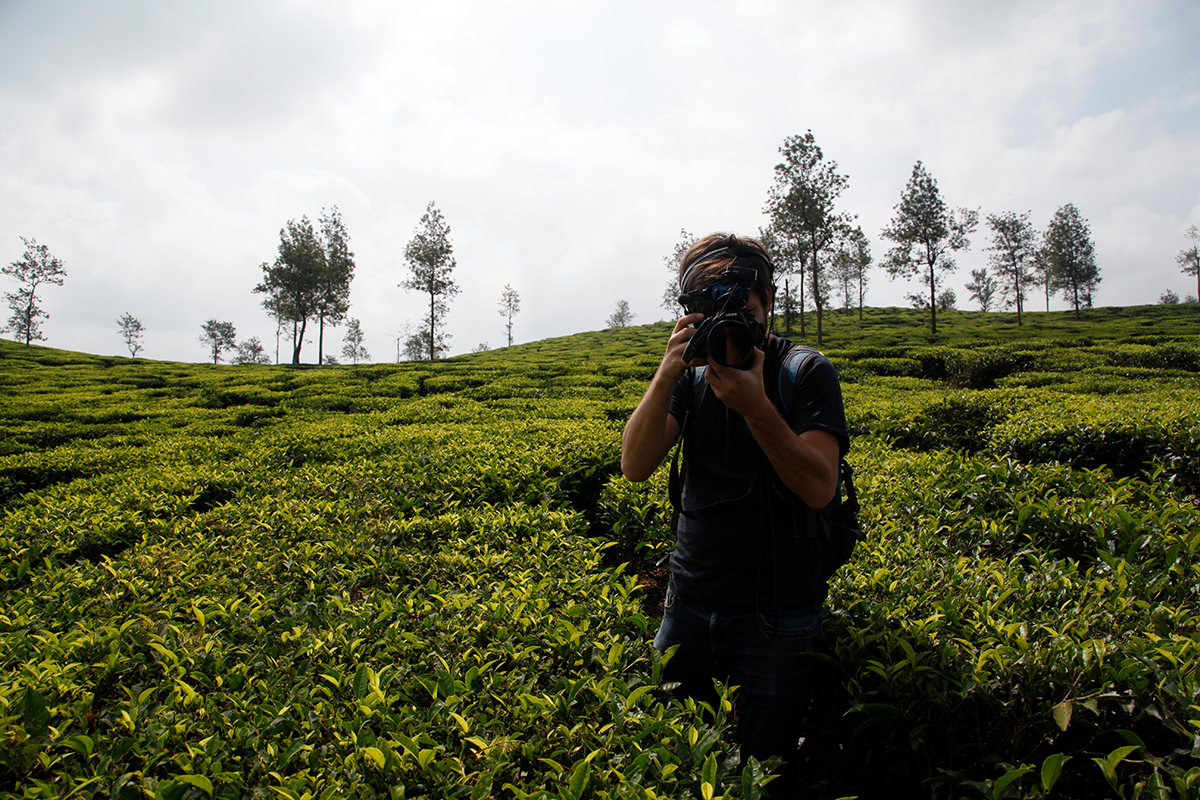
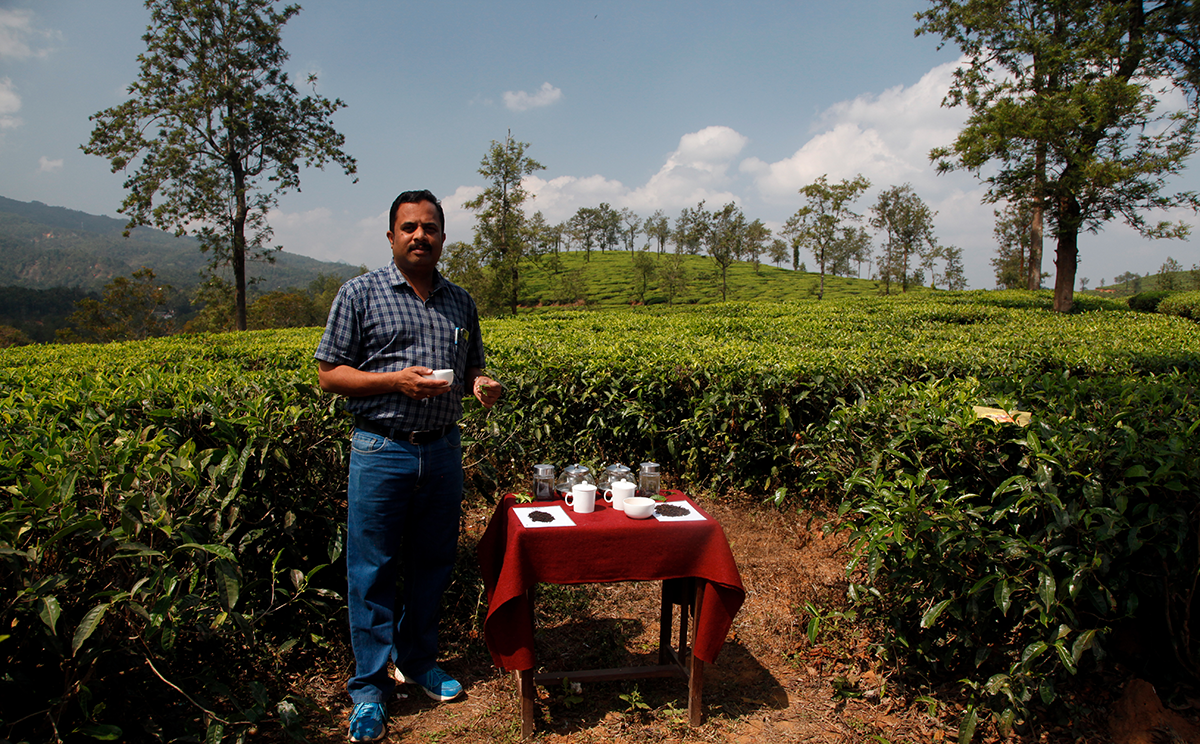
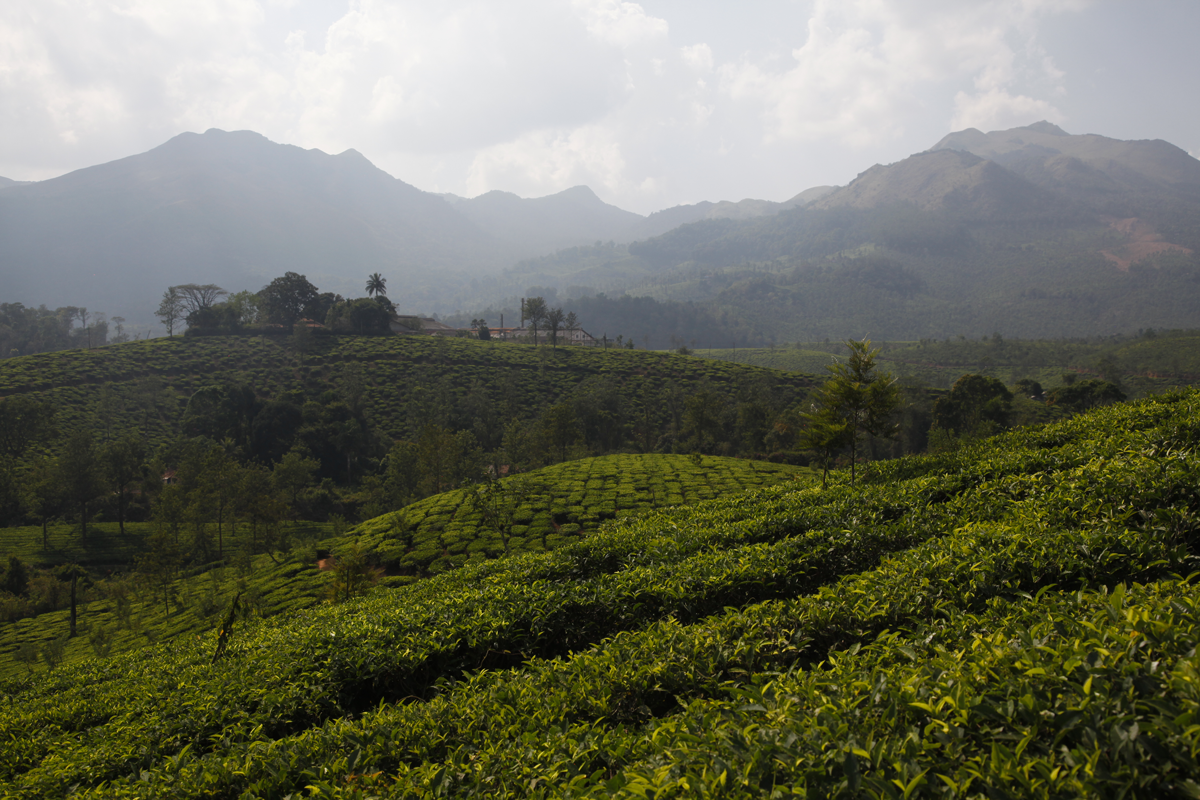
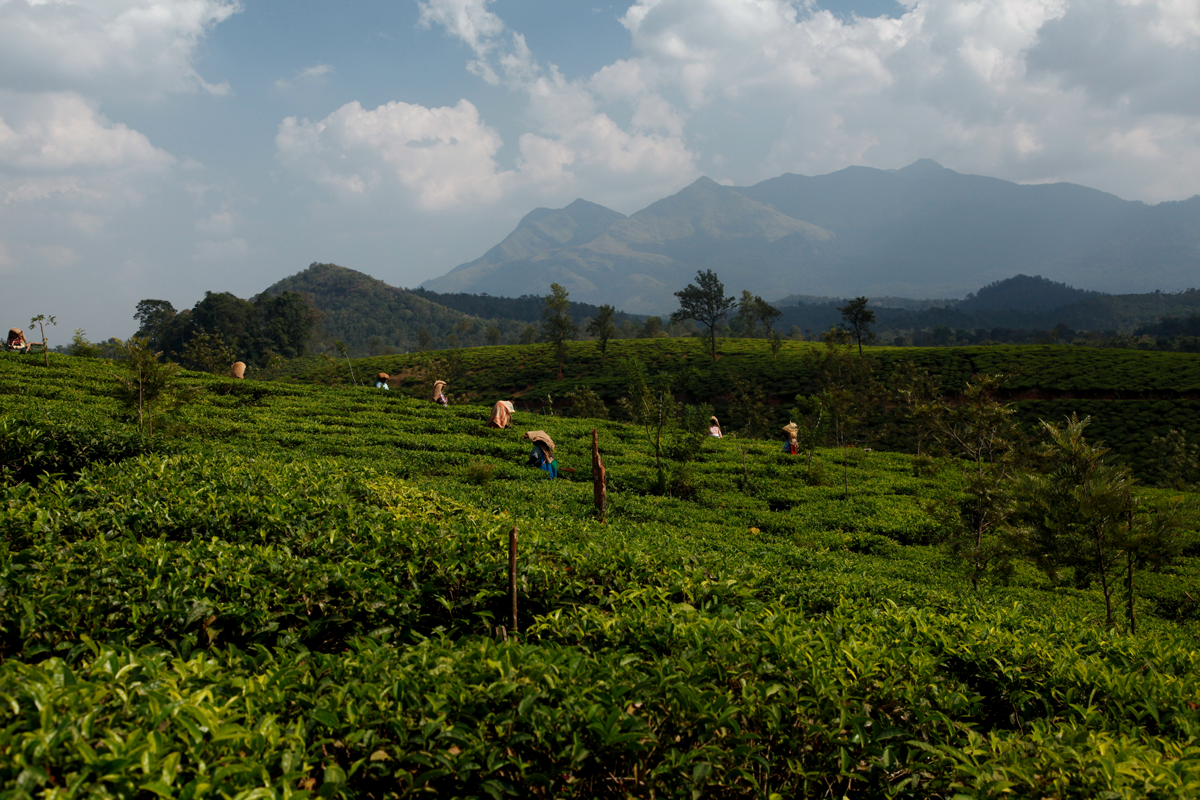
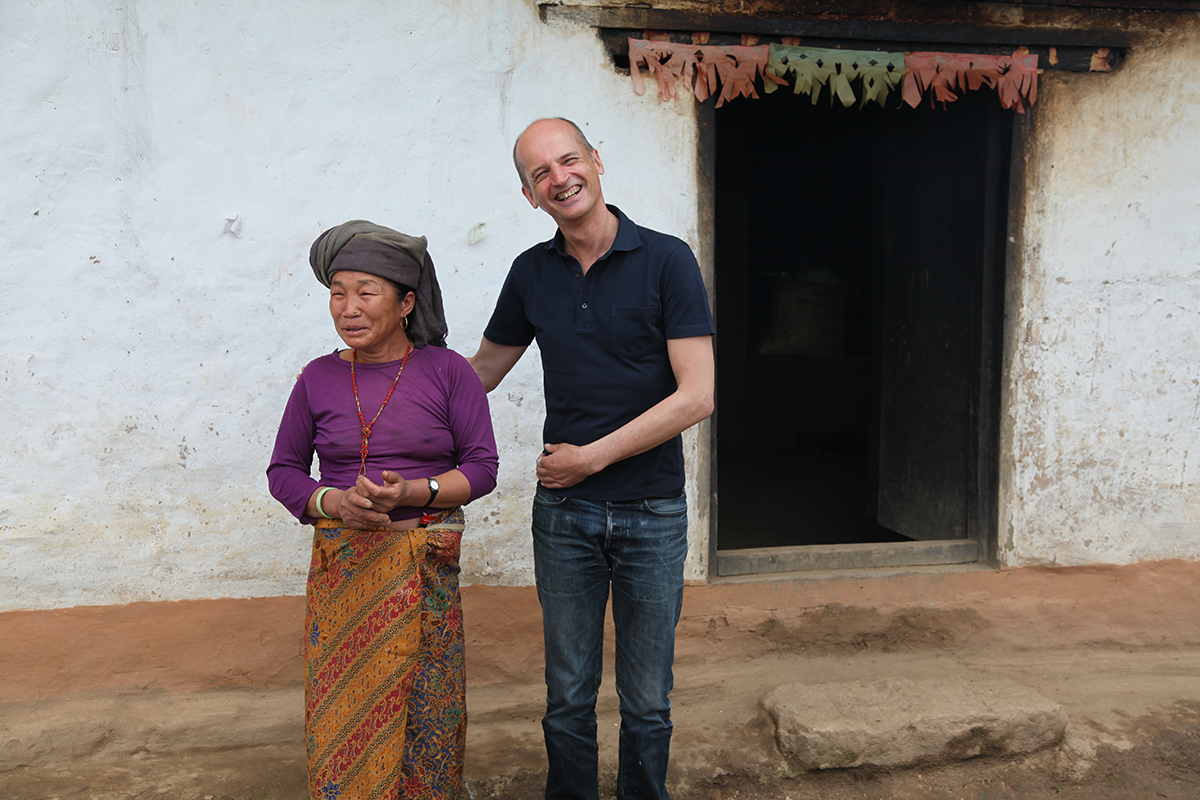
Before starting to work with tea, I dreamed of being a journalist. I liked the idea of finding out about people, asking them questions, understanding what they do, getting them to explain things that are sometimes complicated, and trying to make them comprehensible. I liked the idea of being an investigator, of gathering information, of putting my interviewee at ease and having an interesting conversation. I wanted to do a job that took me all over the world and let me meet people from all backgrounds and cultures, men and women who speak a different language, who have a different history from mine. I wanted to receive their message and transmit it. In the end, I created this role of tea researcher, which didn’t exist before. I could have stayed behind my counter in my tea shop, which I enjoyed, talking to customers, listening to them, helping them. But I wanted to do more, to investigate, to find out where the tea leaves come from. First I learned to taste, to recognise flavours and aromas; then I learned other languages. I was thirsty for knowledge, I wanted to discover an unexplored world, that of tea. So I packed my bags and I went to meet farmers, growers, traders, pickers and planters. I entered that world a little more with every trip. I took my time. I set out to meet the people who live in the mountains where tea is grown. I found them in the fields, in the village square, in front of the factory. I sat down with them, I rested. I listened, then listened some more. I recorded everything. And that is how, 32 years later, everything I found so rewarding and enjoyable in the job of a journalist, I find now, in my work as a tea researcher.
The tea routes
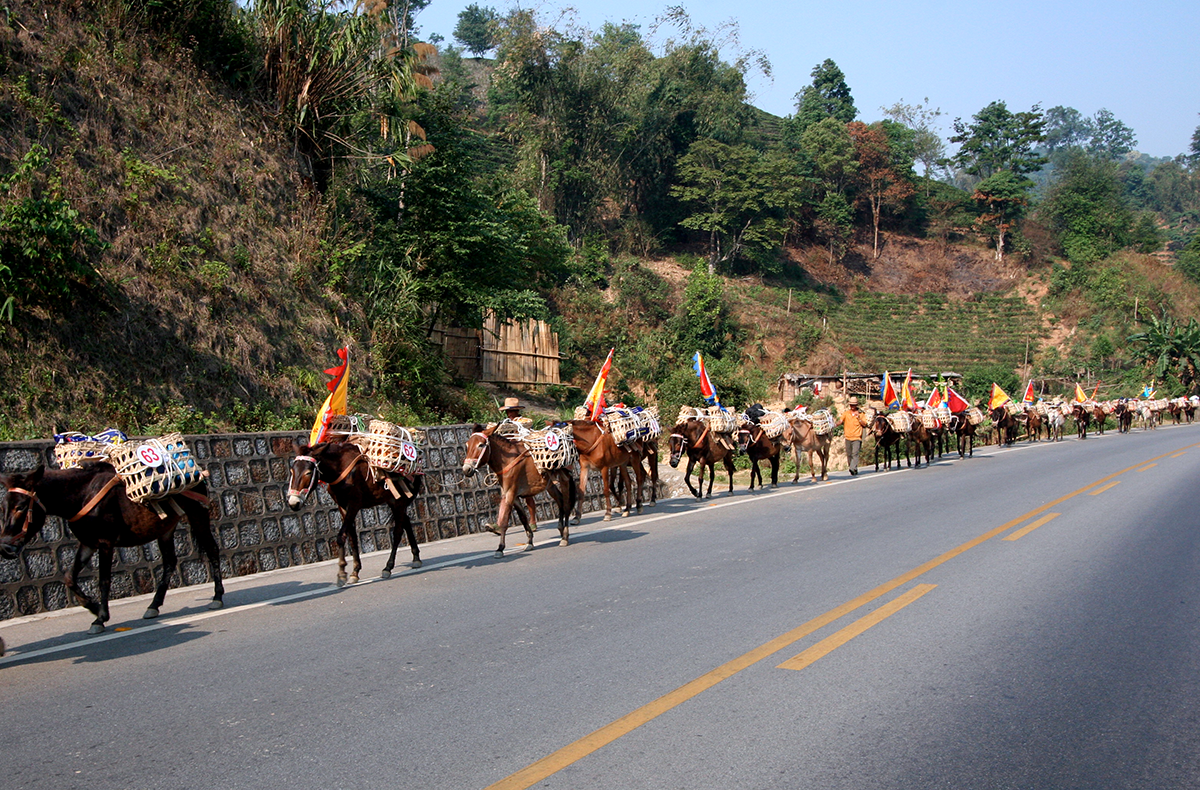
For centuries, tea travelled on the backs of donkeys, horses and yaks. There were a number of tea routes. They started at the Chinese provinces that produced compressed teas (Yunnan, Sichuan, etc.) and led to Tibet. In those days, tea was traded for salt or horses.
To perpetuate this tradition today, some people hold re-enactments, and you can watch hundreds of animals file past, carrying cakes of tea.
Common sense
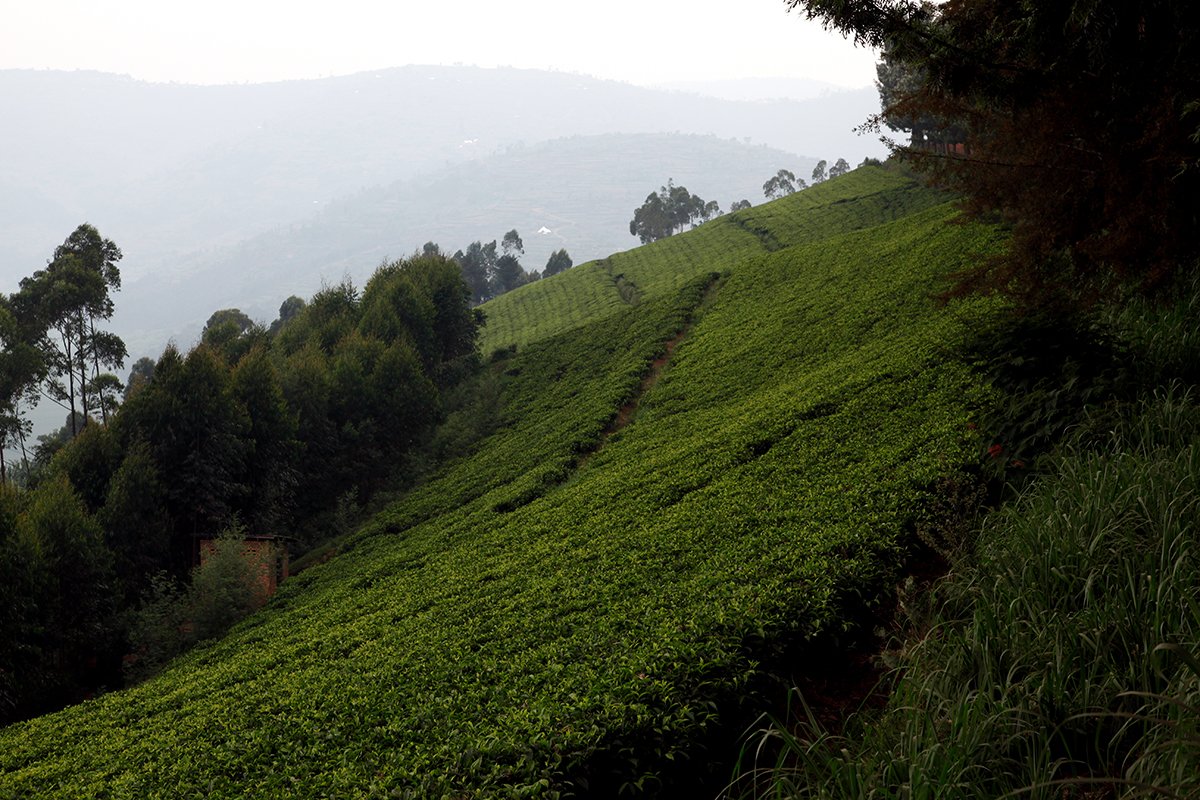
A farmer who grows tea might have to deal with various threats to his crop: insects (spiders, mosquitoes, etc.) that damage leaves, caterpillars which like to eat young plants, fungi that grow along the trunks of the bushes. But there are solutions to these problems that don’t involve pesticides. One is to encourage the presence of birds and other predators by growing hedges near the tea plants. Another important factor is altitude – pests are much less of a problem at low temperatures. Nature must be respected, and tea should be planted in a suitable environment. In the same way that we don’t build a house in a bog, tea should not be planted in an environment that is too humid, at low altitude, on flat, undrained land that is intensively farmed and stripped of all other trees and plants. In those circumstances, it is likely not to be organic. It makes sense when you think about it.
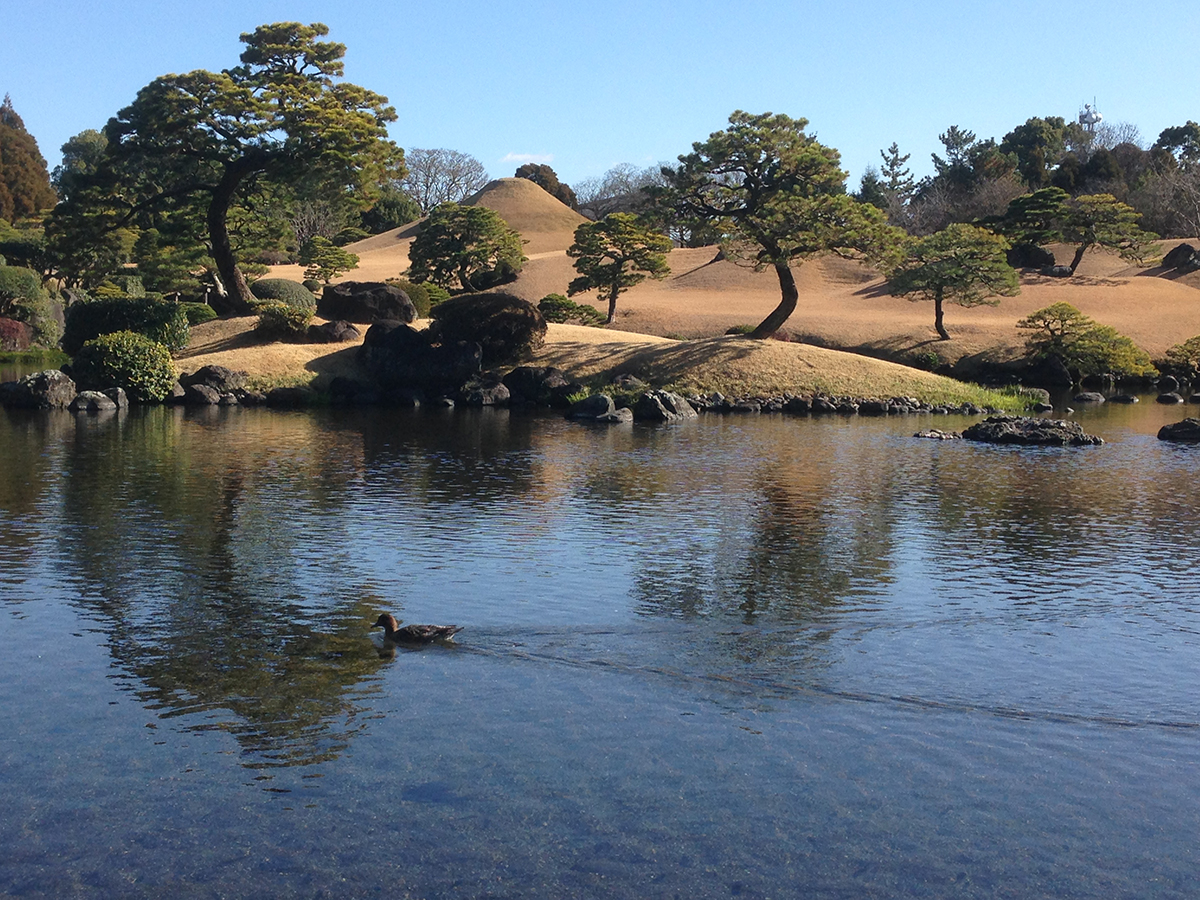
The Suizen-ji garden in Kumamoto
When I’m in Japan, I like to visit the gardens whenever I get a chance. They are incredibly beautiful. Peaceful, silent places where invisible gardeners with a keen eye for perfection trim every little shoot with scissors. They sculpt living things to create an incredible spectacle of a landscape, in which a simple mound symbolises Mount Fuji.
I come here often with a book, interspersing reading with gazing at the view. It’s pretty much my idea of heaven.
I wish you a real year!
We know that social media algorithms are programmed to put you in contact with similarly-minded people to make you believe that everyone shares the same views as you, and at the start of this new year, I’m making a resolution to spend less time on social networks, smart phones and tablets, because that’s not the real world. I wish you all more time spent meeting real people. For your delight. I wish you a real year!
The faces behind your favourite teas
When you prepare a cup of tea, you may find yourself wanting to know more about it. What sort of landscape did it grow in? Who are the people that grew and processed it? I hope to answer some of those questions in my blog! For fans of teas from northern Thailand (Milky Oolong, for example), here are the faces of the Mae Salong tea pluckers, hard at work harvesting the leaves.
Mrs Ming, an exceptional woman
In the world of tea, Mrs Ming is very unusual. There are very few woman in charge of a tea plantation. Not only does Mrs Ming produce some incredible Oolongs, she is also a pioneer, because she introduced tea to the area around Mae Salong. Since then, producing lightly oxidised teas in the Taiwanese style has become fashionable in this area of the Golden Triangle, on the border between Thailand and Myanmar.
I met Mrs Ming nearly ten years ago thanks to Augustin, one of my nephews who was travelling through these remote mountains on his motorbike. I’d asked him to let me know if he came across any tea plants.
Mrs Ming reserves her best teas for me – Jade Oolong, Ruby Oolong, Milky Oolong, Thai Beauty – along with that type of friendship that lasts a lifetime.
Daring and exacting, Mrs Ming never rests on her laurels. She experiments, innovates and tries out black and dark teas, with success. I have already chosen some, and soon you’ll be able to try them too.
Changing landscapes
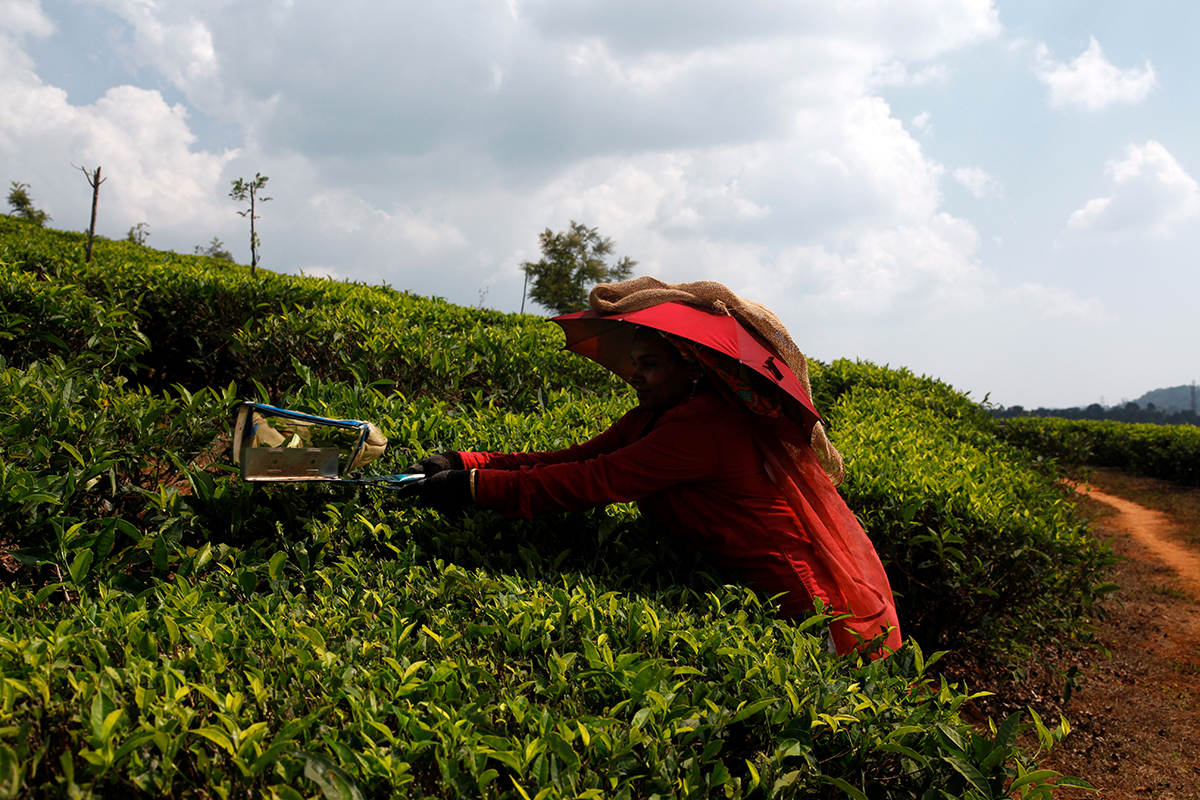
Tea grows in many countries, but the plantations look very different from one region to another. With the gently undulating rows of tea plants, the light covering of trees for protection, and the dark rocks that punctuate the landscape, this view is recognisably southern India. Munnar (Kerala) and Coonoor (Tamil Nadu) produce teas of varying quality. Those that come from around the town of Ooty (Tamil Nadu) are the best.
Brie melts in your mouth with Bancha Hojicha
Tea and cheese make ideal partners. To go with a Brie, whether it’s from Melun, Meaux, Nangis or Montereau, I recommend a Bancha Hojicha. The woody, roasted notes of this well-known Japanese toasted tea beautifully complement the flavours of the soft cheese. And if you prefer, you could infuse the tea for an hour in water at room temperature, instead of in hot water.
It’s not easy to find the right pairing. You need to taste lots of different teas, as in this photo, where I’m comparing Pu erh Impérial, Malawi Dark and Bancha Hojicha with three different Bries, after trying many others.
Looking across the roof of the world
In Darjeeling, tea is cultivated until the end of November, give or take a couple of weeks, depending on the soil temperature. Once the temperature dips below 16°C, the tea plants enter a dormant state until the following spring. November is an ideal month to admire the third highest peak in the world, Kangchenjunga, which rises above the Himalayan foothills.