La fabrication du thé

Rolled into balls

14 October 2022
Play
Play
Play
previous arrow
next arrow
Slider

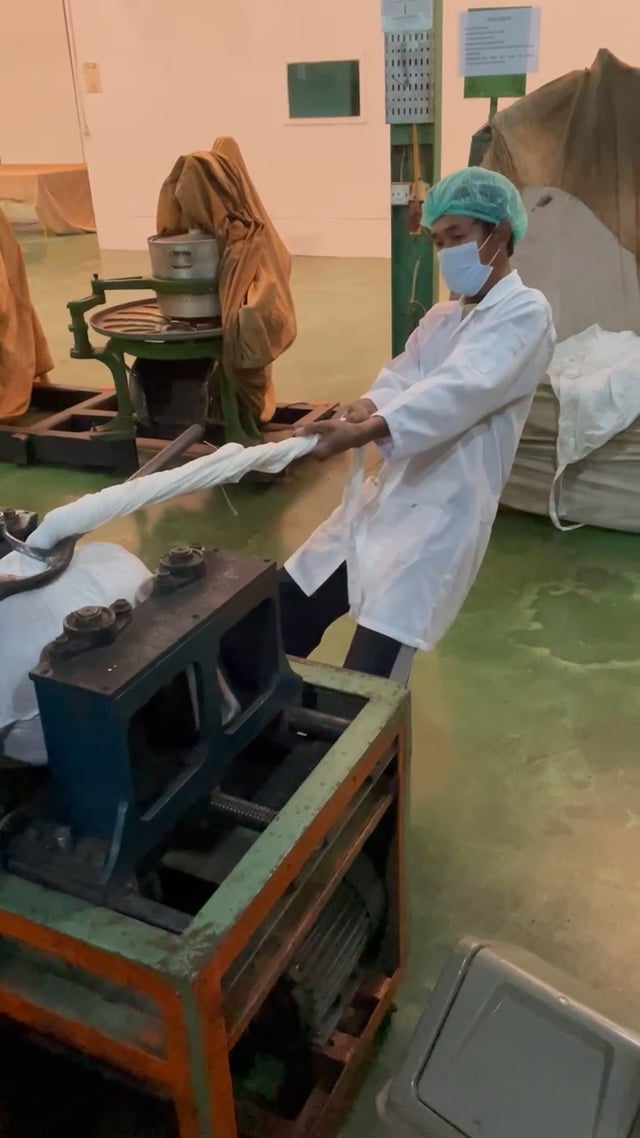
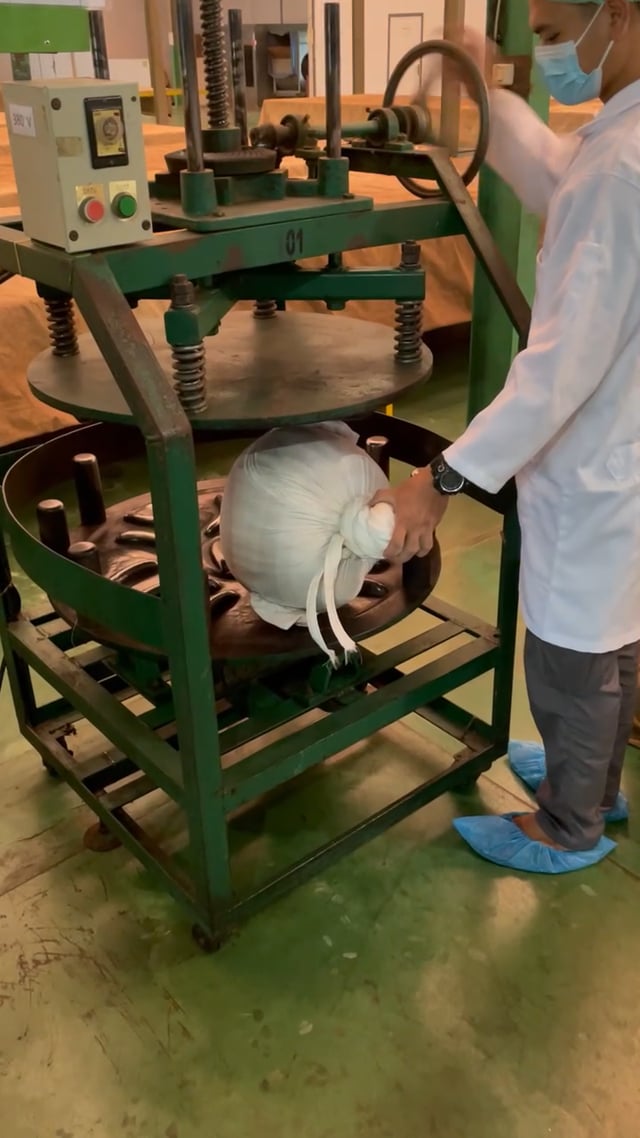
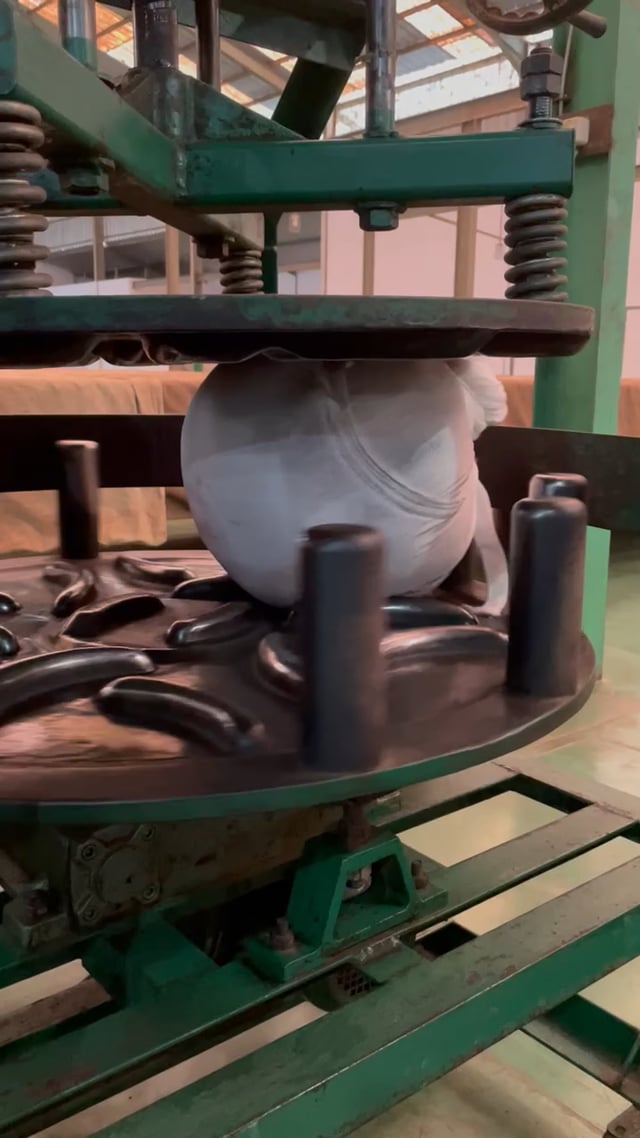
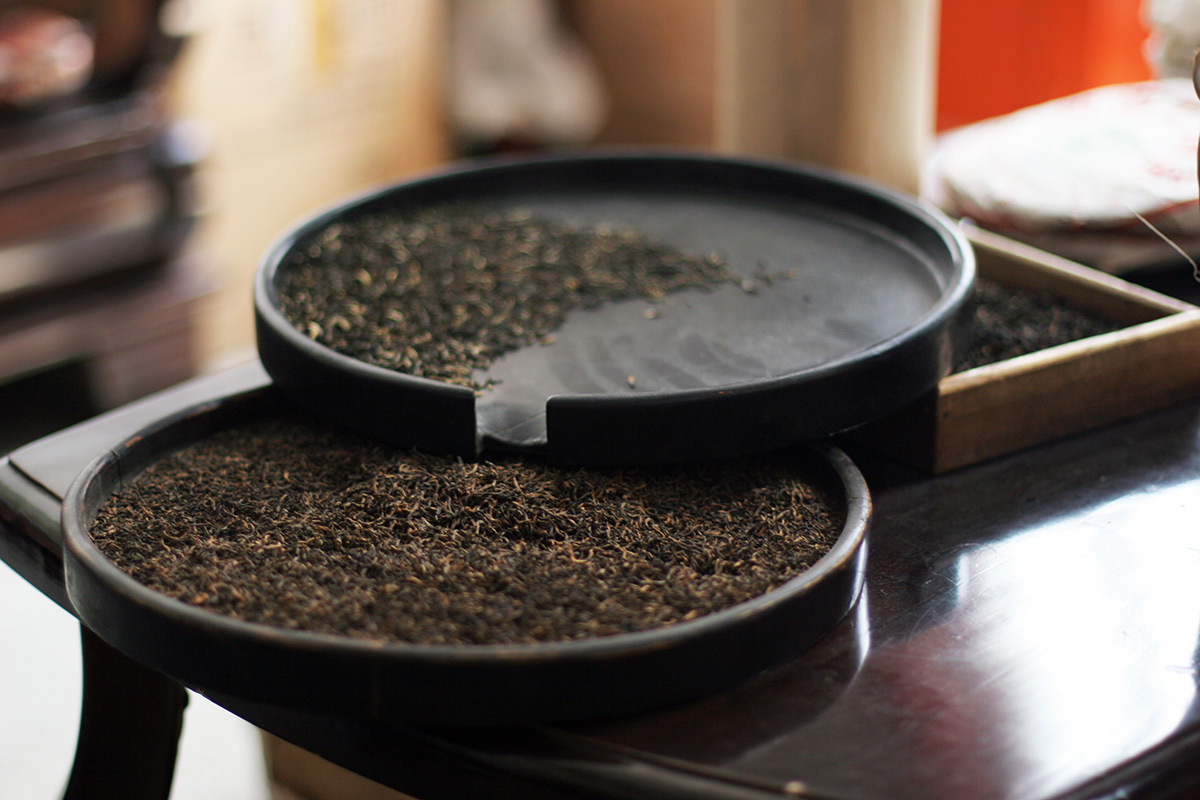
If you take a Camelia sinensis leaf and pour hot water over it, you’l get nothing from it. The leaf needs to be roughened  up first in order to release its aromas and flavours when it comes into contact with water. Immediately after picking, the producer will process the leaves, which removes much of their moisture and eventually breaks down their structure without breaking the leaves themselves, so that the juices contained within their many cells can be extracted. This is one of the machines that’s used here in West Java (Indonesia). A cloth sack is packed with tea leaves then squeezed hard between two metal discs. This tool is widely used in Taiwan for making Oolongs, and is also used to make green teas that are rolled into balls.

Share on Facebook. Tweet this!

Citrus notes

11 February 2022
previous arrow
next arrow
Slider

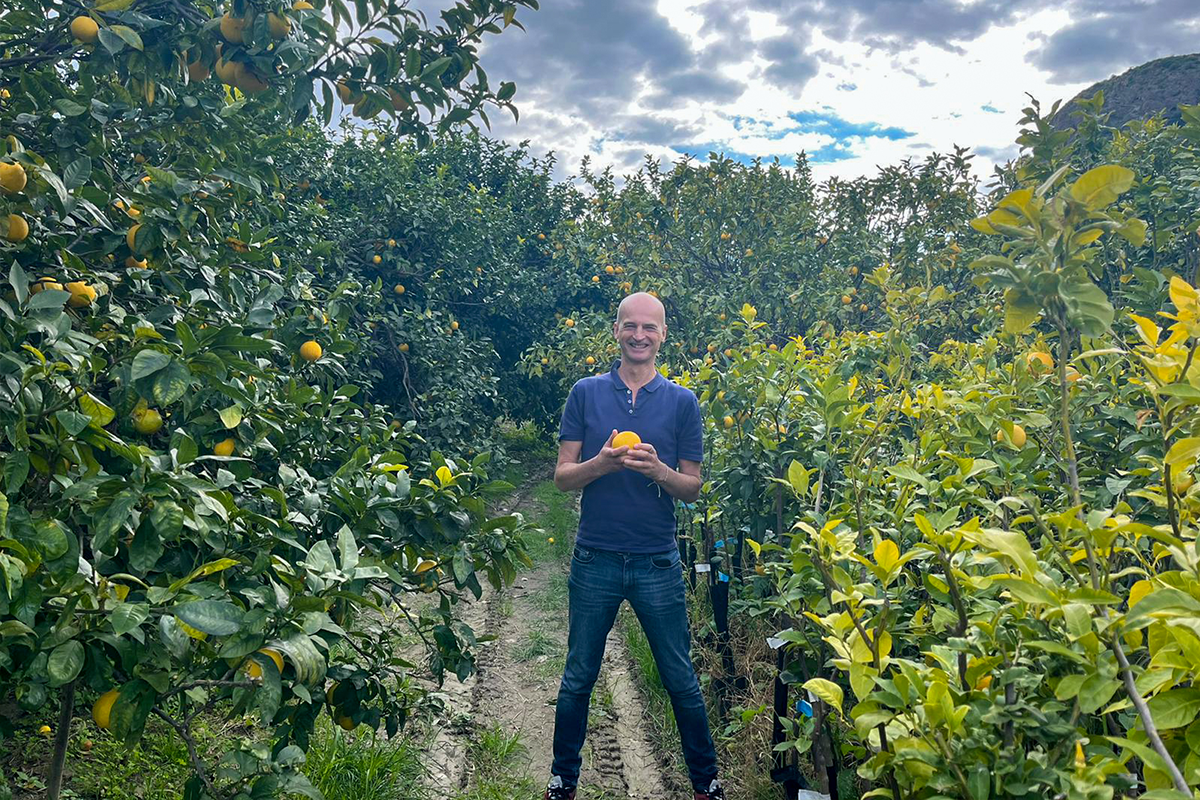
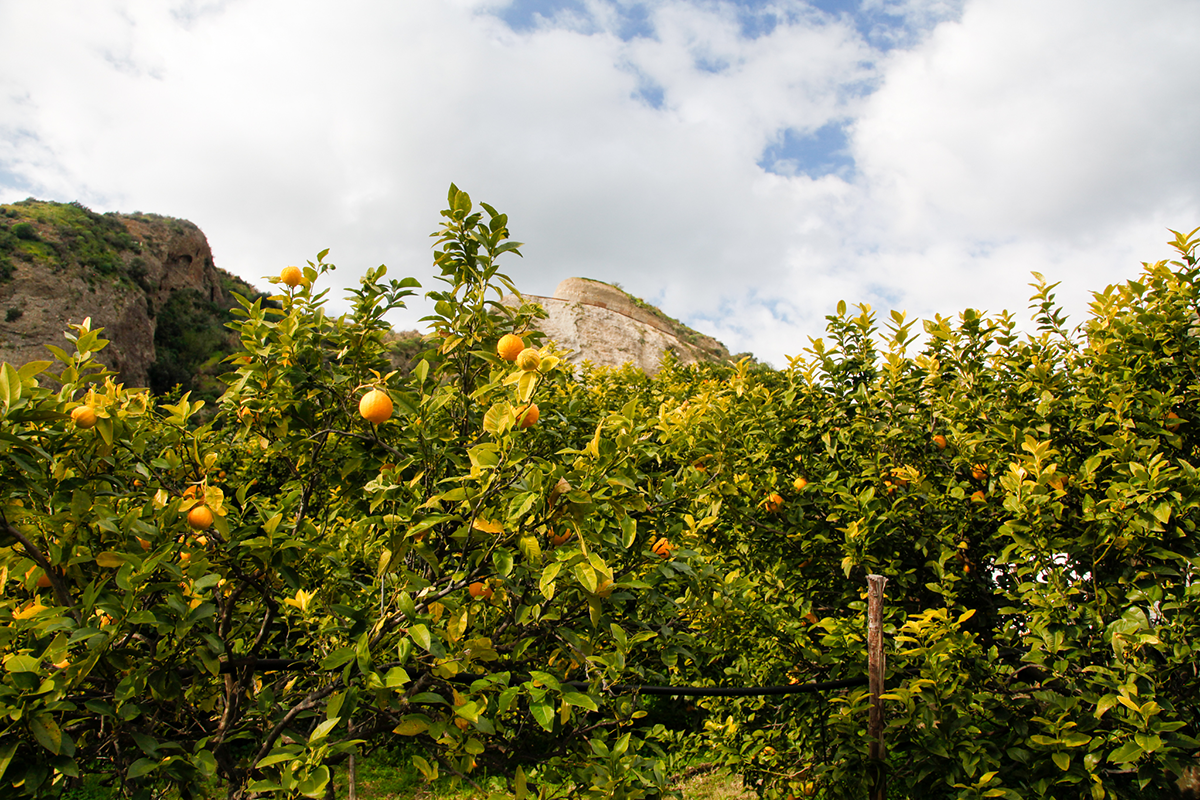
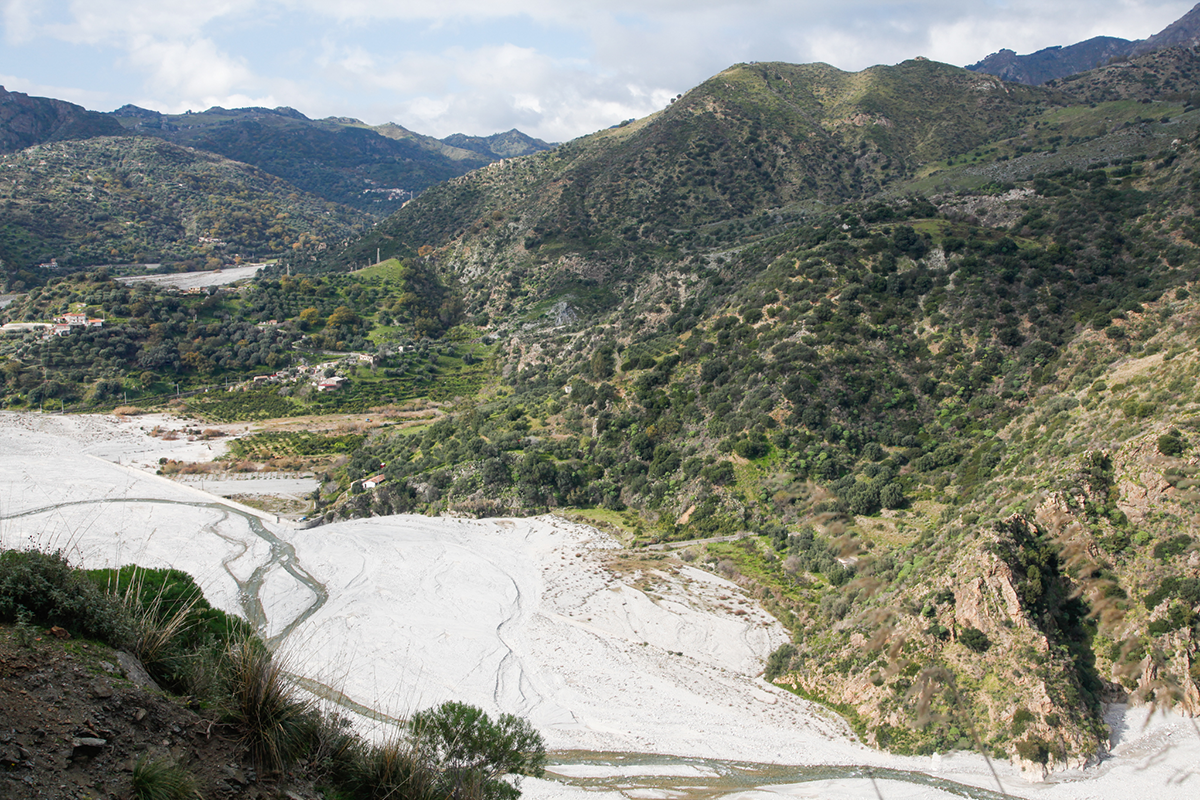
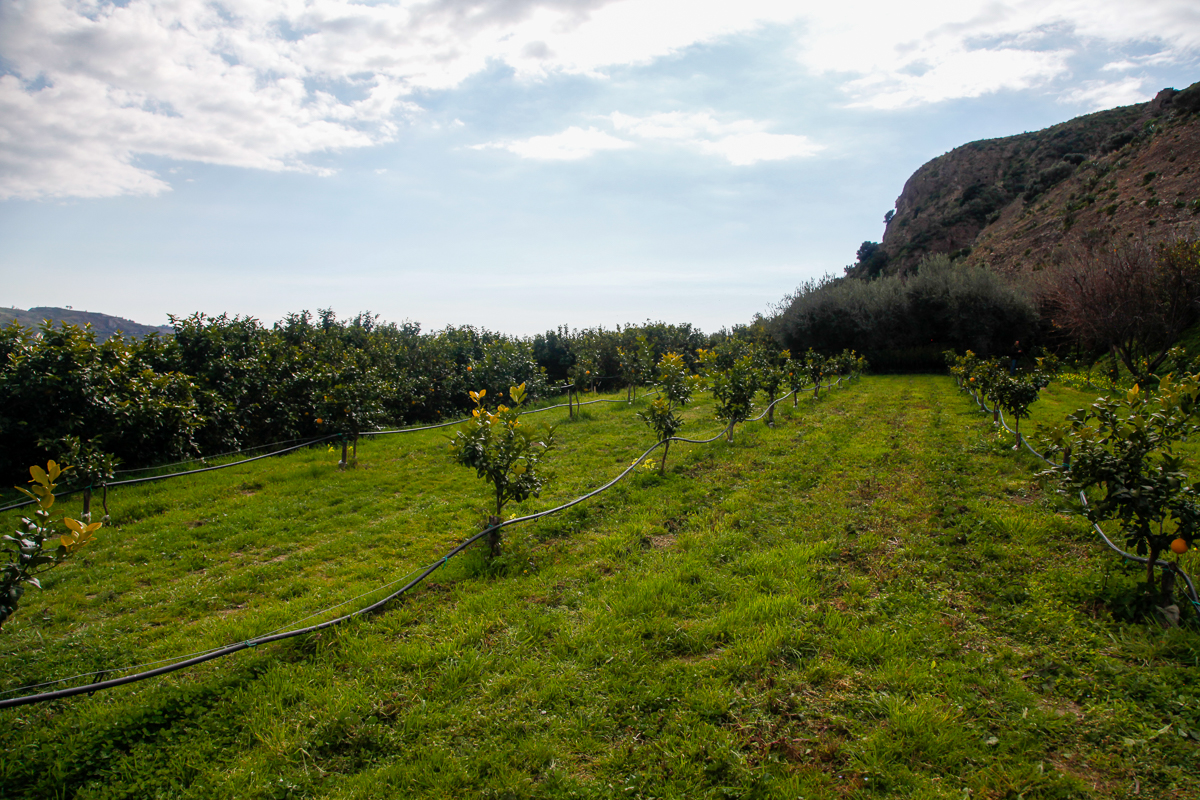
In Reggio Calabria in southern Italy, bergamot is harvested from November to February from trees that each produce between 80 and 120 kilos of fruit per year. This citrus fruit, widely used in perfumery, gives the famous Earl Grey tea its citrus notes. Bergamot is grown in all the valleys in the region (pictured here: San Carlo valley), which offer breathtaking views of the Ionian Sea or the Strait of Messina.

Share on Facebook. Tweet this!

Tea in Brittany

28 January 2022
previous arrow
next arrow
Slider

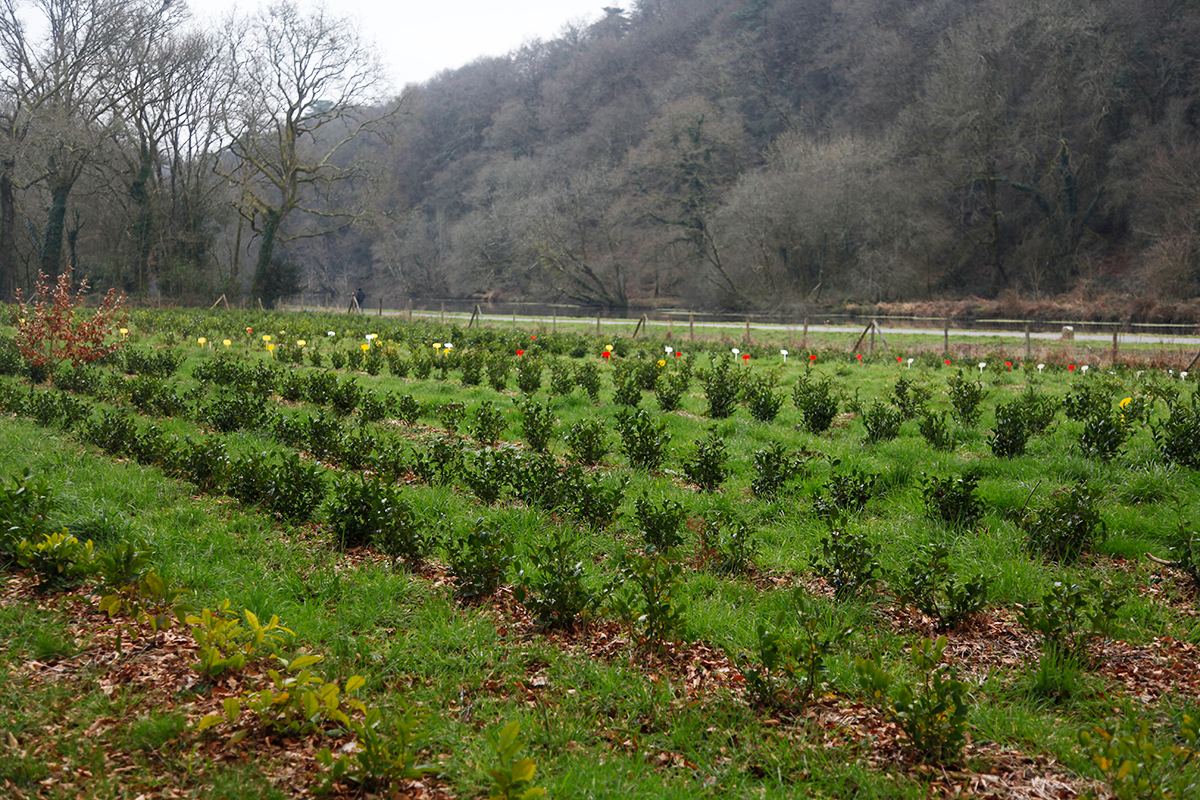
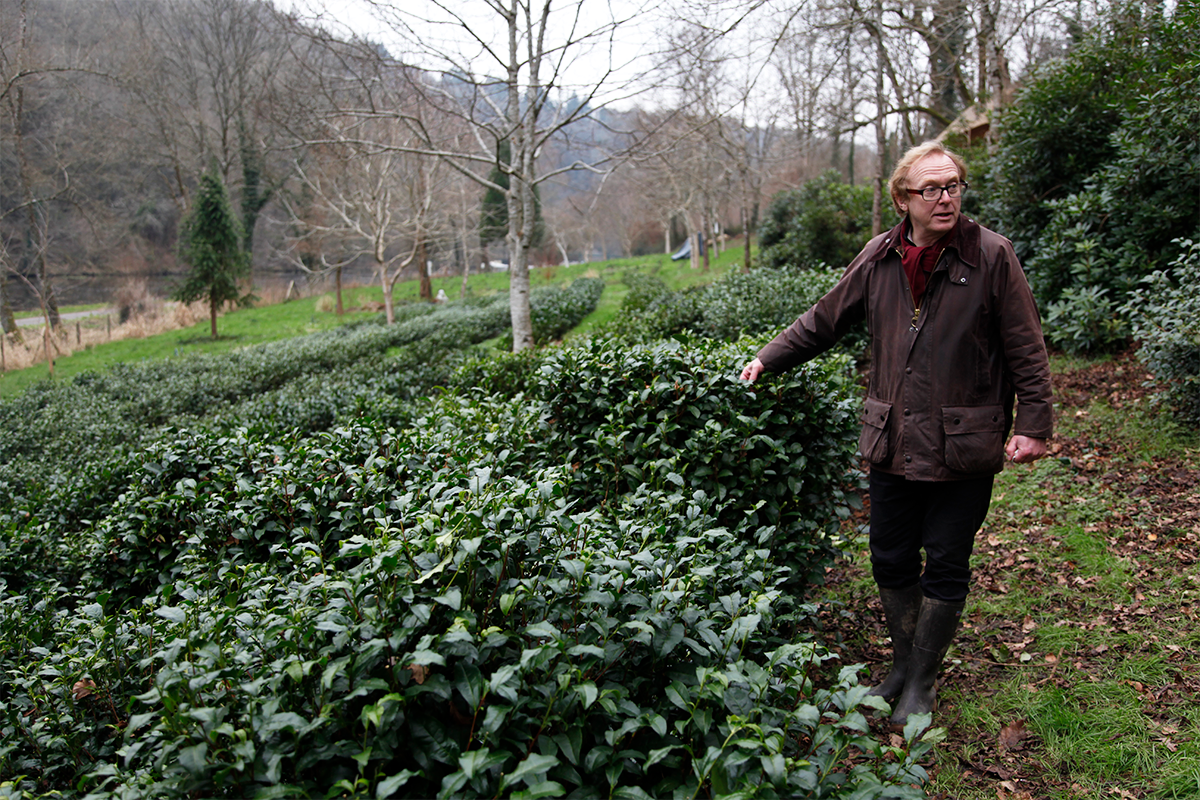
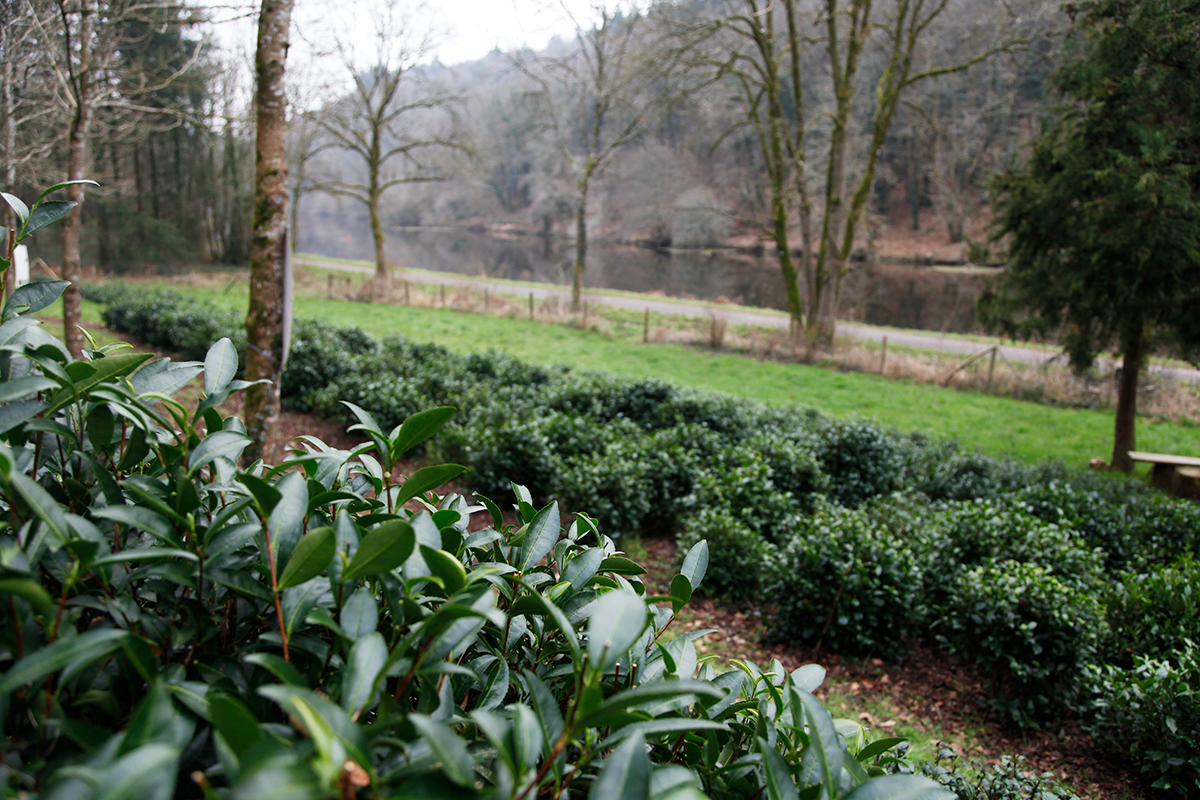
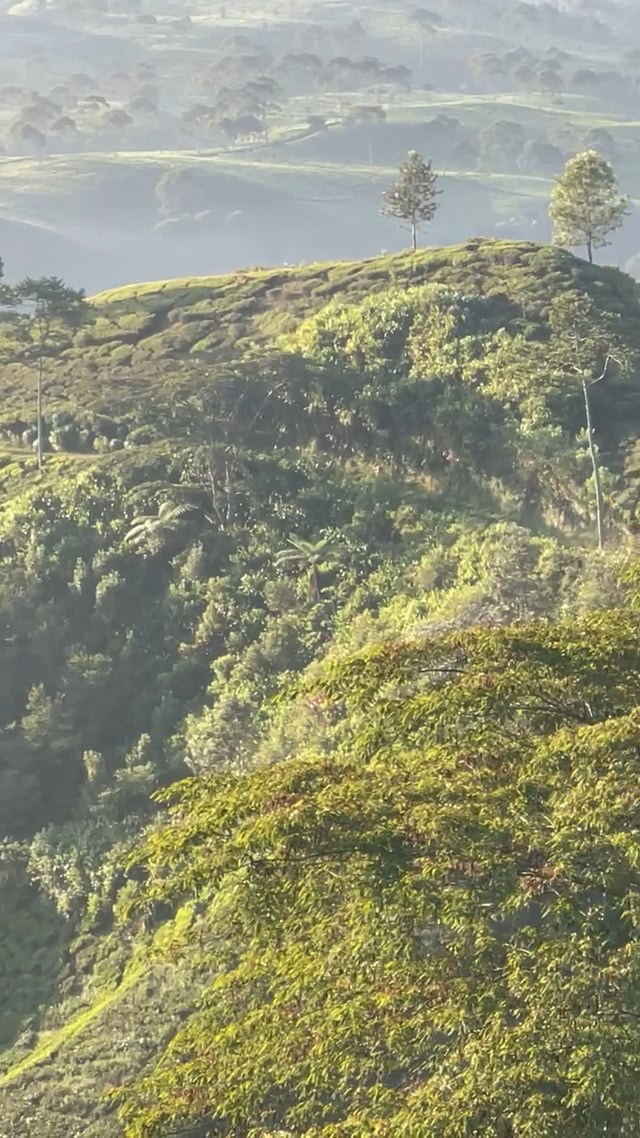
There are attempts to grow Camelia sinensis in many countries, including France. On the banks of the Blavet, near Hennebont (Morbihan), Denis and Weizi are pioneers. They planted eight tea bushes 17 years ago, for their own consumption. They now have 30,000 from 15 different cultivars. Their production is still limited (20 kg per year) but is set to double over the next few years. Denis and Weizi’s enthusiasm is inspiring others to grow tea, and in addition to supplying nearly 20,000 tea plants a year to hobby growers, they are supporting them and forming a strong community.

Share on Facebook. Tweet this!

A tea for every season

14 January 2022
A tea for every season

So, it’s January, it’s cold outside, what tea should you be drinking? I recommend a dark tea (not to be confused with black tea), especially after that holiday period when the chances are you’ve overindulged. Because this deep, rich tea has been reputed for centuries for its digestive properties. Note, however, that this type of tea, also known as pu’er or pu-erh, undergoes post-fermentation. As such, expect your cup to develop aromas of moss, mushrooms, undergrowth, wet straw, along with notes of vanilla and liquorice as well as leather and other musky flavours. This incredible tea is simply perfect for this time of year and is good for us too. Let me know what you think!

Share on Facebook. Tweet this!

Tea sommeliers through and through

29 October 2021
previous arrow
next arrow
Slider

Palais des Thés makes a number of commitments to its customers including having a good knowledge of each growing region, knowing where and how tea is made, by whom and in what conditions. If one wants to give the best advice, to introduce people to tea in the best possible way, it is essential to understand how to choose tea, how to taste it and how to convey one’s sensory impressions. What motivates my colleagues is to be able to share their passion and help others appreciate tea. They are experts, enthusiasts and guides. They are tea sommeliers through and through.

Share on Facebook. Tweet this!

Inventing a new profession

19 February 2021
Inventing a new profession

During a recent interview, a journalist remarked that Palais des Thés had created two new professions, something I’d never really considered before. It’s quite unusual to create a new type of job; I don’t know if many companies have had this experience. At Palais des Thés we have two roles that didn’t exist before us: tea researcher and tea sommelier. There are now two tea researchers on our team and we get contacted by many applicants who want to join us. And thanks to our diploma programme, 26 people can now call themselves a tea sommelier, which is to tea what the sommelier is to wine.

Share on Facebook. Tweet this!

A beautiful landscape does not always produce good tea

12 June 2020
A beautiful landscape does not always produce good tea

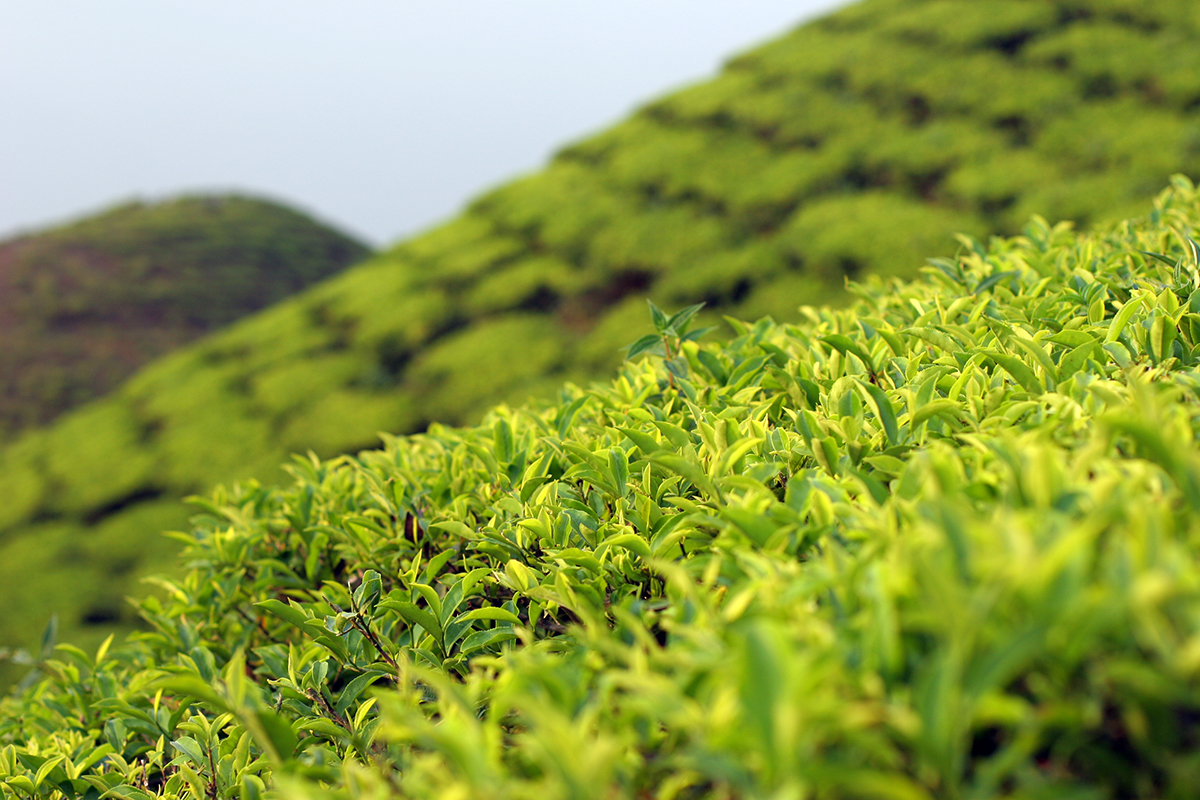
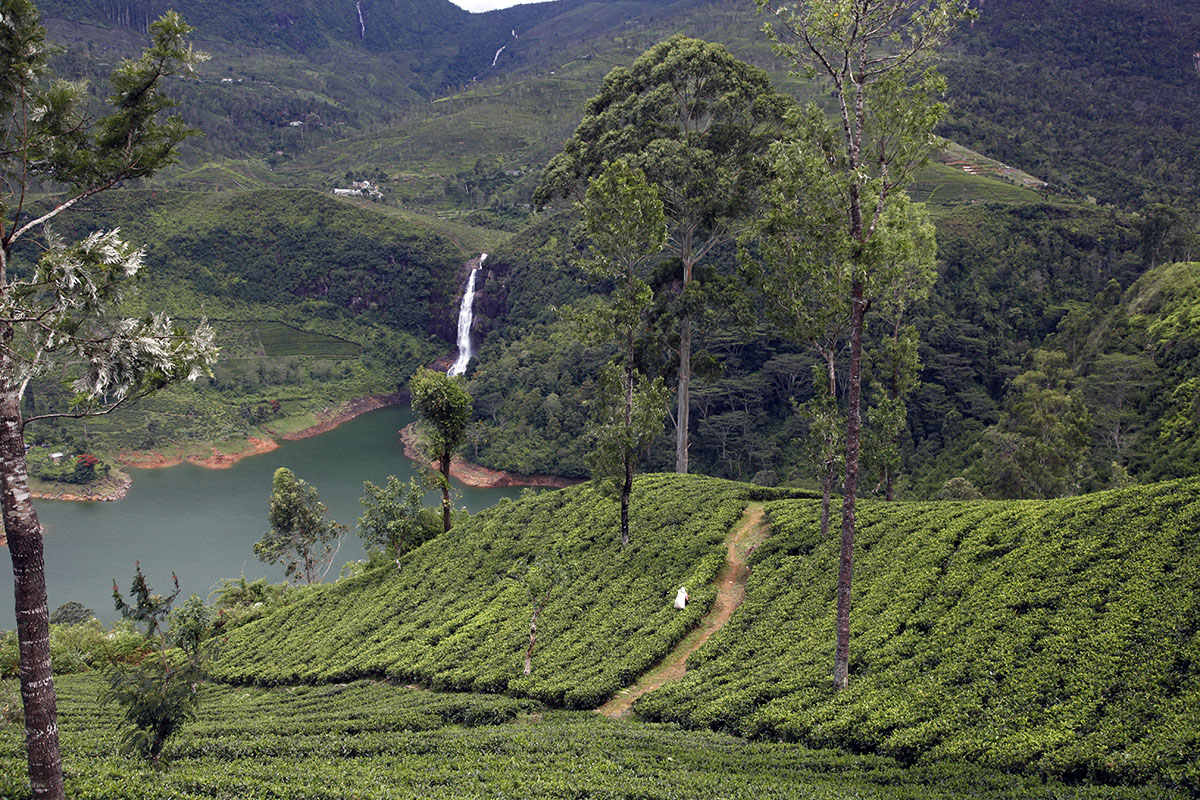
Sri Lanka’s tea plantations are among the most beautiful in the world, but that is not always reflected in the quality. You have to learn not to be influenced by landscapes. The best teas on the island are in the south, in a less mountainous region. Here, west of Nuwara Eliya, you won’t enjoy a remarkable tea, but the views are magnificent. 

Share on Facebook. Tweet this!

Teas shelter in place to develop powerful aromas

8 May 2020
Teas shelter in place to develop powerful aromas

If there is one type of tea that could be described as being in “confinement”, which is our term for “lockdown” or “shelter in place” here in France, it is shade-grown teas. The best known of these is Pu Erh.

These teas generally go into confinement by being shaded for one to two months, although it can be longer. And when it comes to “deconfinement”, when you lift off the covers under which the harvested leaves have been gently fermenting, you are greeted with wonderful, powerful bouquets. In the cup, these teas develop magnificent aromas of undergrowth, cellars, mushrooms, sought-after animal notes that often evoke stables, and spices. Here’s to your “deconfinement”, whenever that may be.

Share on Facebook. Tweet this!

Proud experts!

1 June 2018
Proud experts!

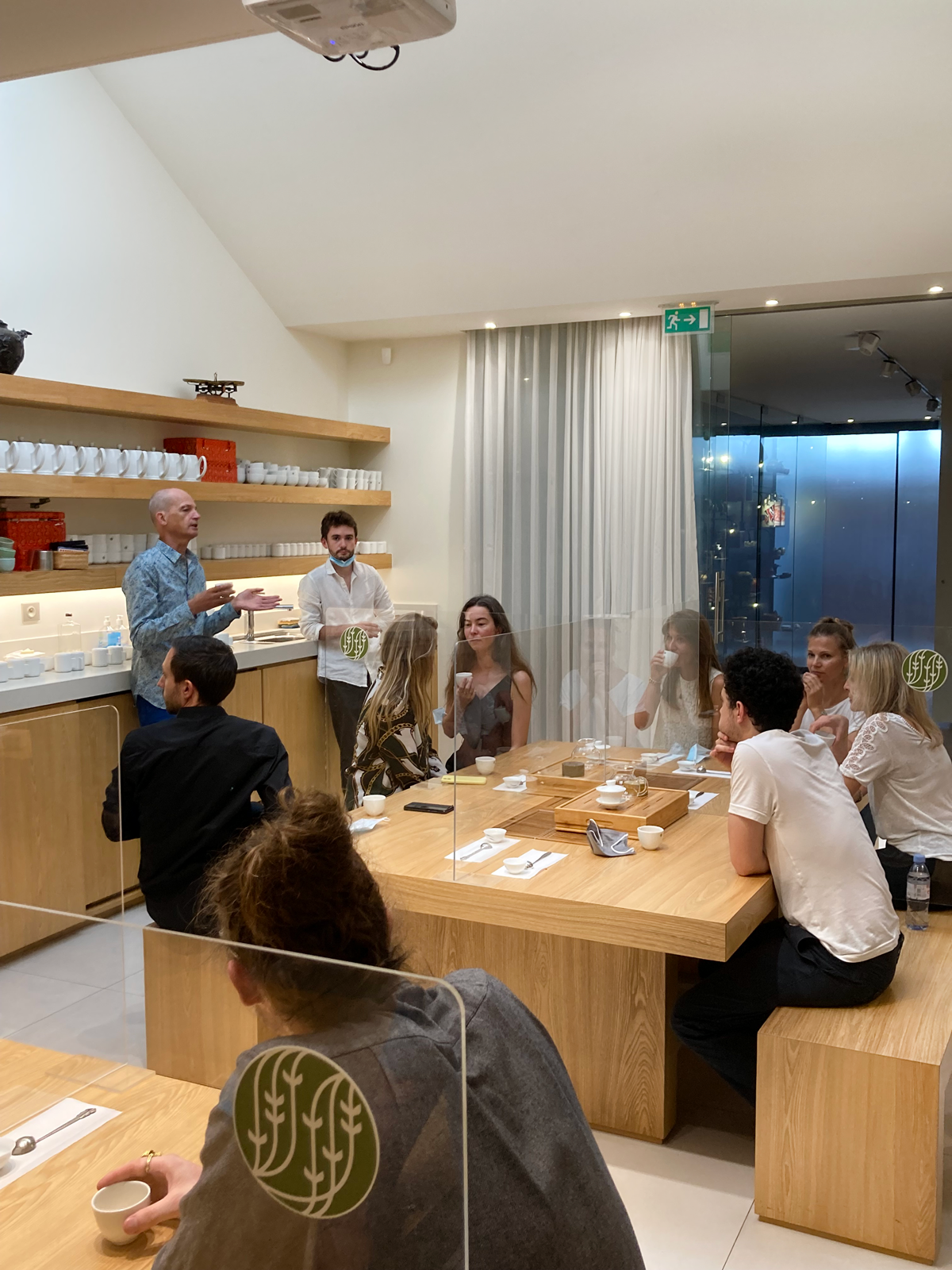
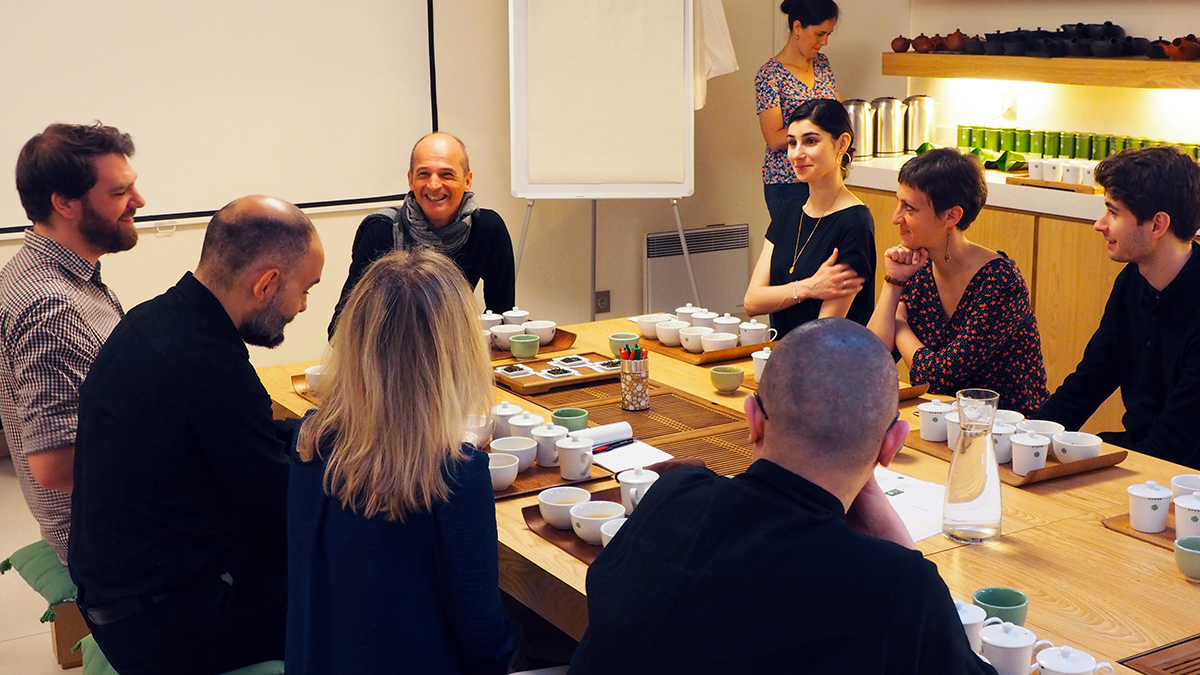
It’s no mean feat to obtain a Tea Sommelier diploma. First, the candidate must answer 24 open questions in just an hour. Then they must prepare, in front of three examiners, a tasting of six teas from among 22. The leaves placed in front of the applicant have no written indication of their type, colour or origin. Then they must perform a task chosen at random: prepare a matcha tea correctly, serve tea in a kyusu, or serve a pu erh using the gong fu method. That’s what this esteemed exam consists of, meaning that those who obtain the diploma are true experts! Here, I’m meeting some of them, with my assistant watching on. Bénédicte has infused a few premium teas, which we are discussing.

Share on Facebook. Tweet this!

Tea Sommeliers day

21 April 2017
Tea Sommeliers day

Working together is good; sharing good times is even better. Yesterday was the Tea Sommeliers day, which I devote to the people who have obtained their precious diploma. The aim of the day is to spend a good time together, with tea, food and treats for the senses.

We began by tasting the entire selection of first-flush Darjeelings, which I have just completed, before joining Nathaly from L’Esprit-Cuisine for a meal of food and tea pairings. With Nathaly – a remarkable, positive and passionate teacher – we prepared an onglet of Aubrac beef with crème à l’anguille, flavoured with Bourgeons de Yunnan Premium tea. It was delicious, and we ate it accompanied by the same tea. This followed a fresh herb soup served with a Taiwan Si Ji Chun, and was followed by a delicious streusel, chocolate and black sesame biscuit served with the famous Jukro from South Korea.

In the afternoon we returned to the tasting room, where our tea sommeliers discovered a few rare teas, tasted blind of course, before we all decided together whether they merited being called “premium” teas. Among the curiosities we tasted were a goishicha from Japan, a compressed dark tea from Hunan, little tea balls from Sri Lanka, a tea from the Nainital region of India, and a black tea from Colombia!


Share on Facebook. Tweet this!