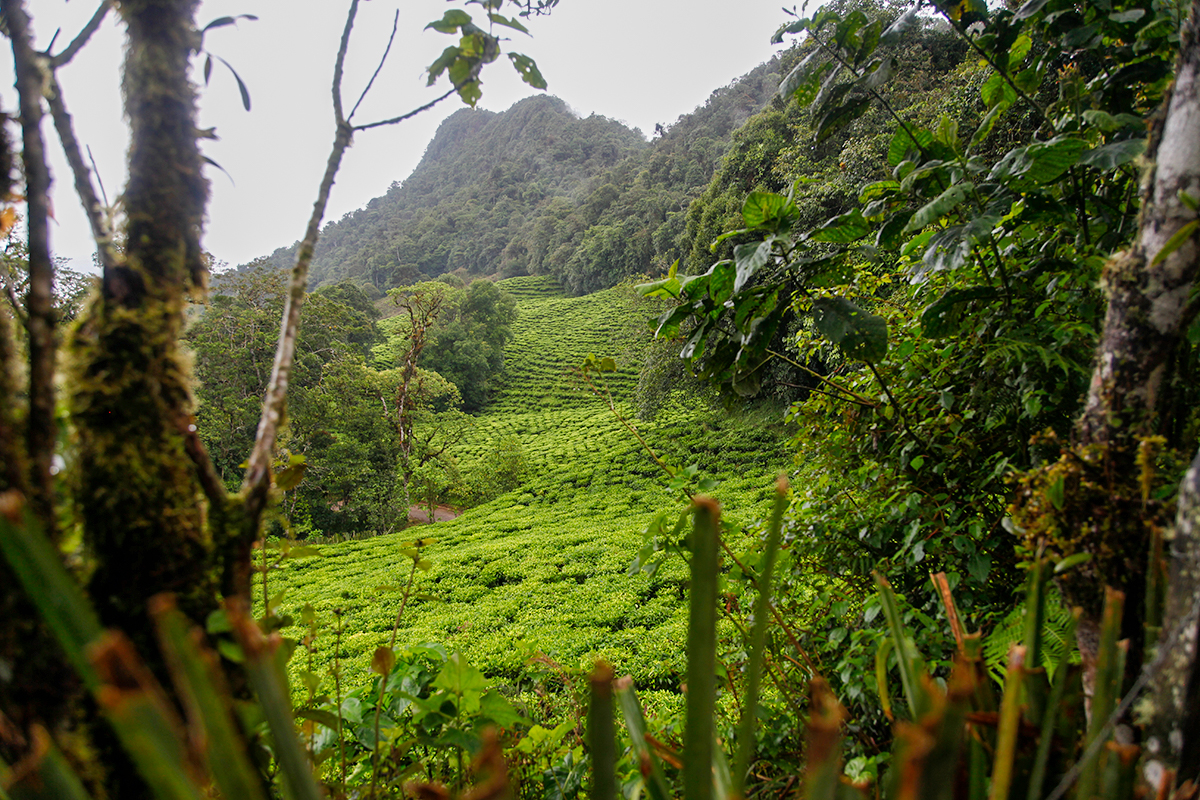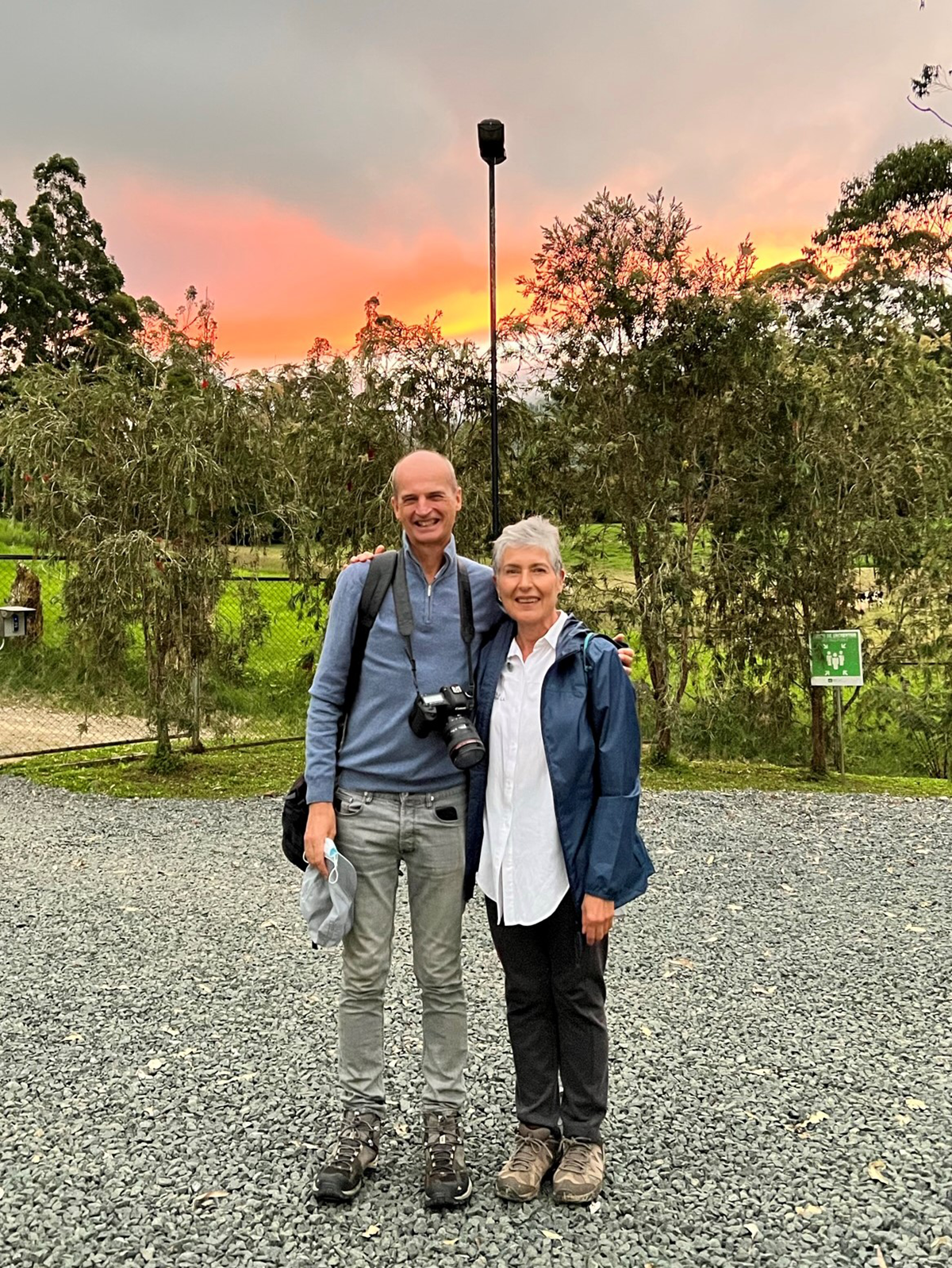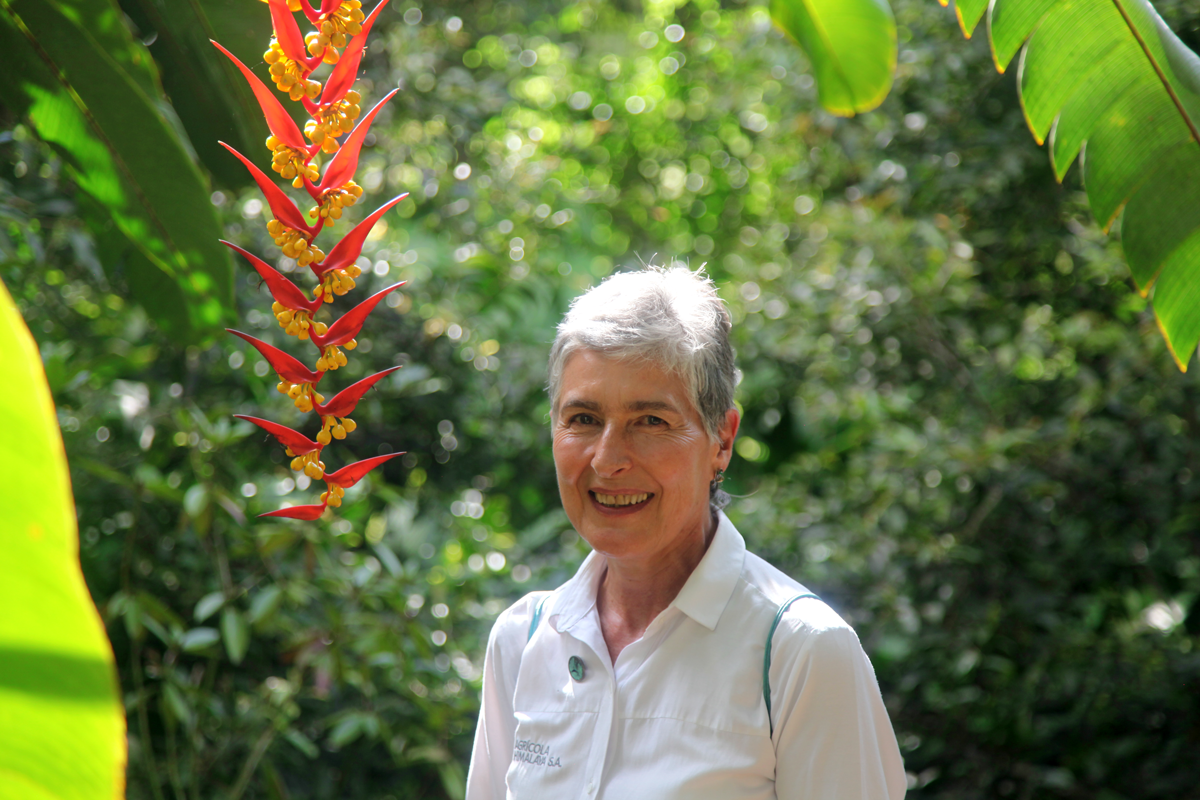
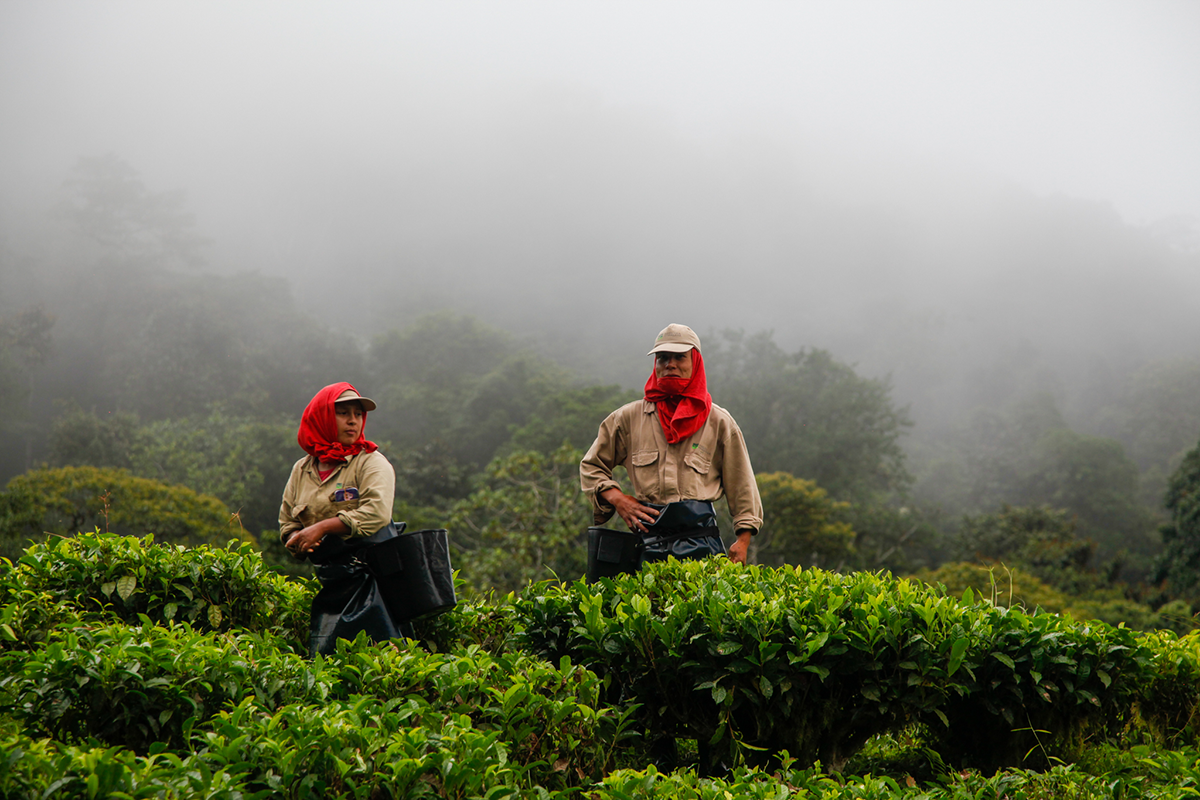
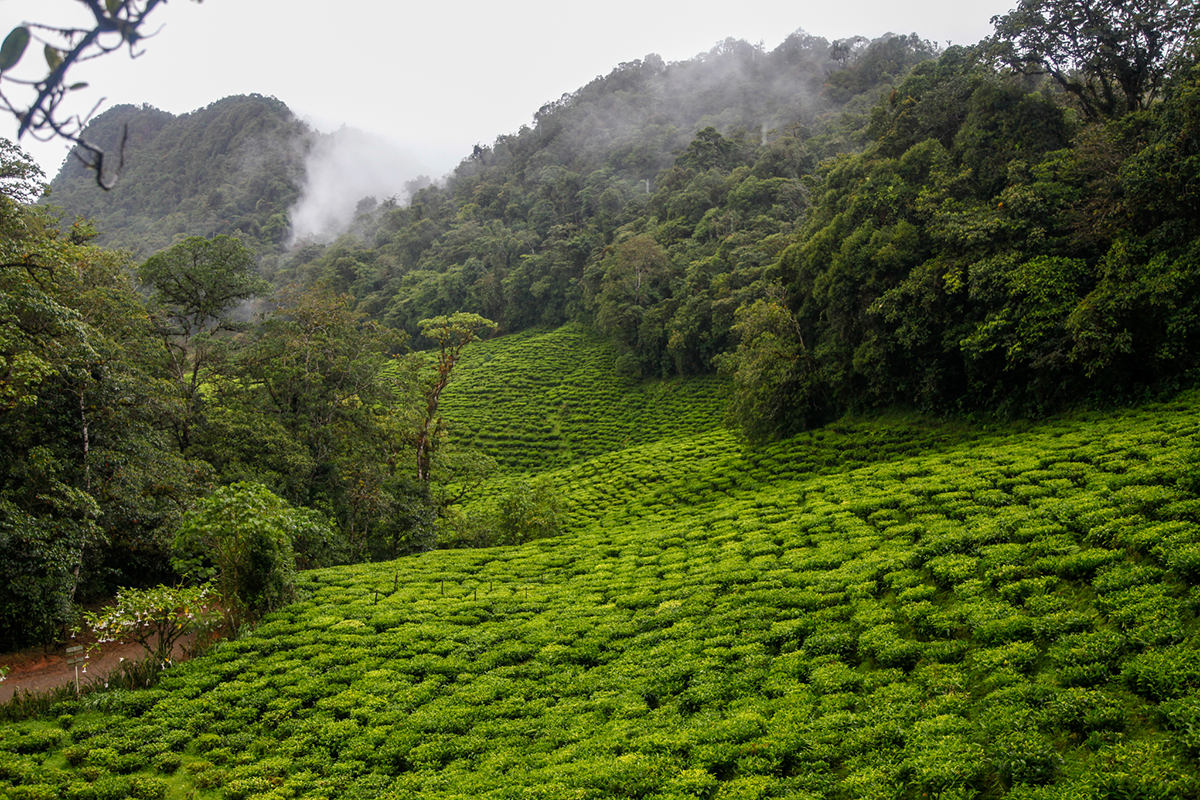
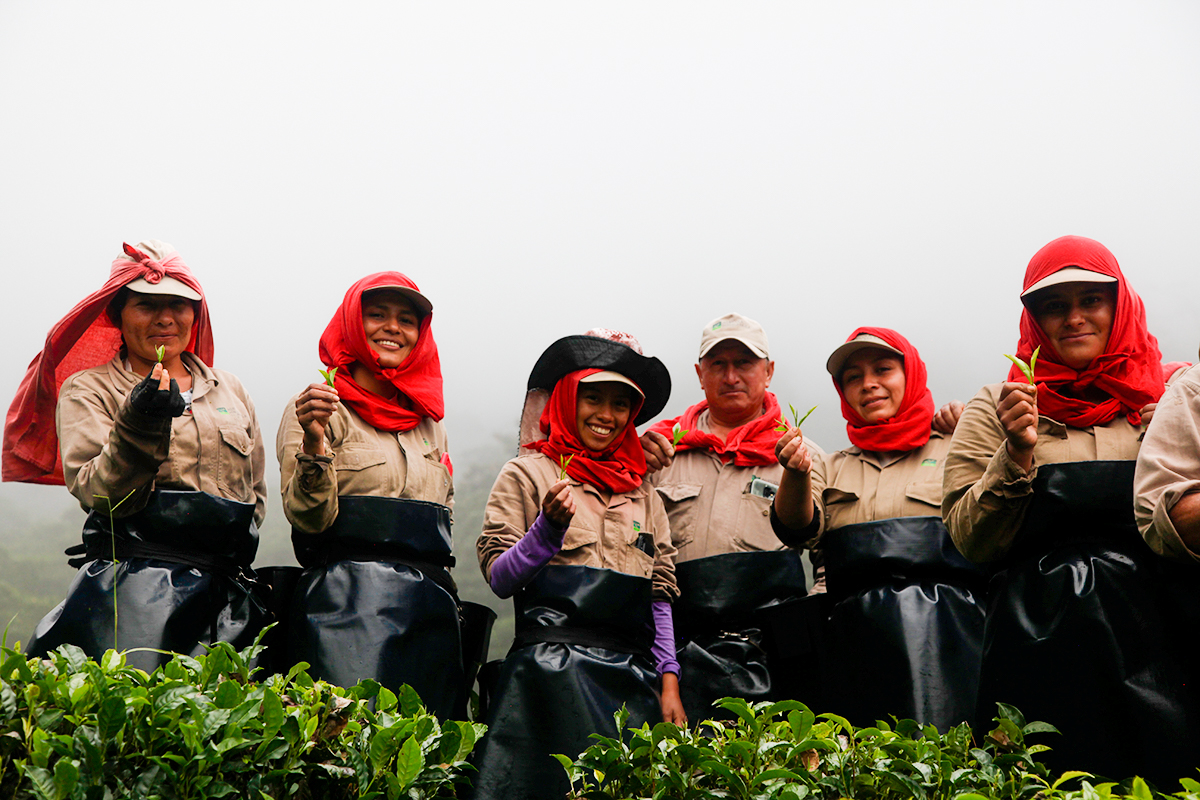
In Colombia, tea grows in the Andes; more specifically, in the region of Cali, the capital of salsa. But there is more to this area of the Cauca Valley, south-east of the capital Bogotá, than dancing. Once known for its sugar cane, the district’s most famous crops now include coffee and cocoa. And surely tea too, one day, which creates beautiful landscapes here. Carlota, who oversees the region’s only plantation, has a principle: the plots cover a maximum of five hectares and are surrounded by the jungle, in order to protect the biodiversity that is so important to her. Carlota’s whole life revolves around her love of nature and her love of the jungle where she has chosen to live. She is devoted to her tea crops because they allow a whole community to live in these mountains and help preserve this unique, fragile and incredibly rich environment. It is a truly special place.
Colombie
Colombia has a bright future
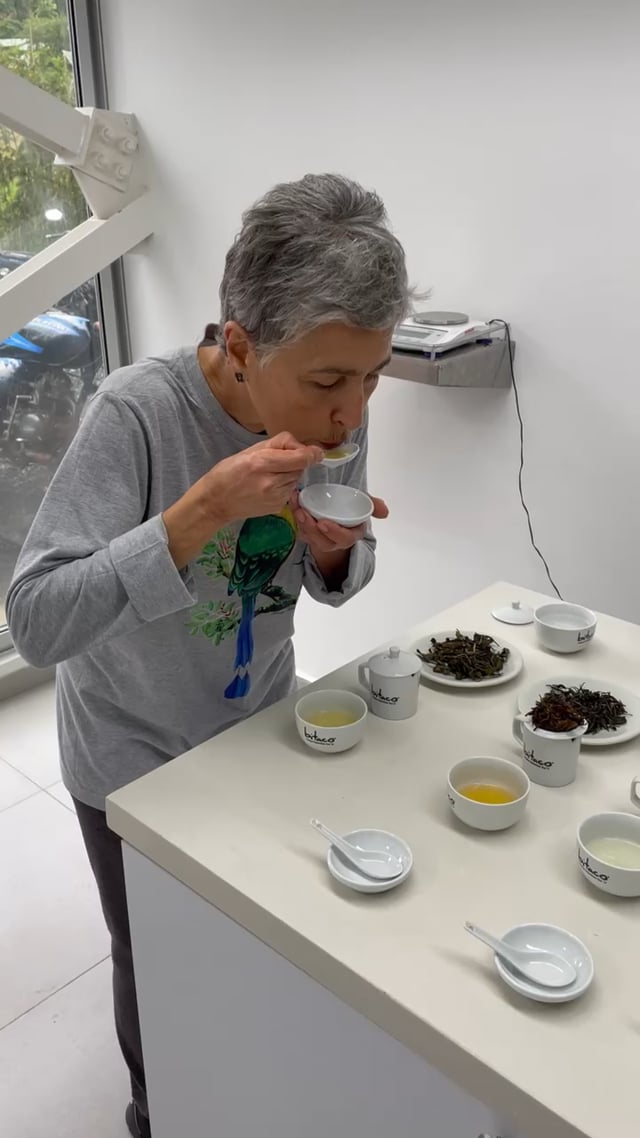
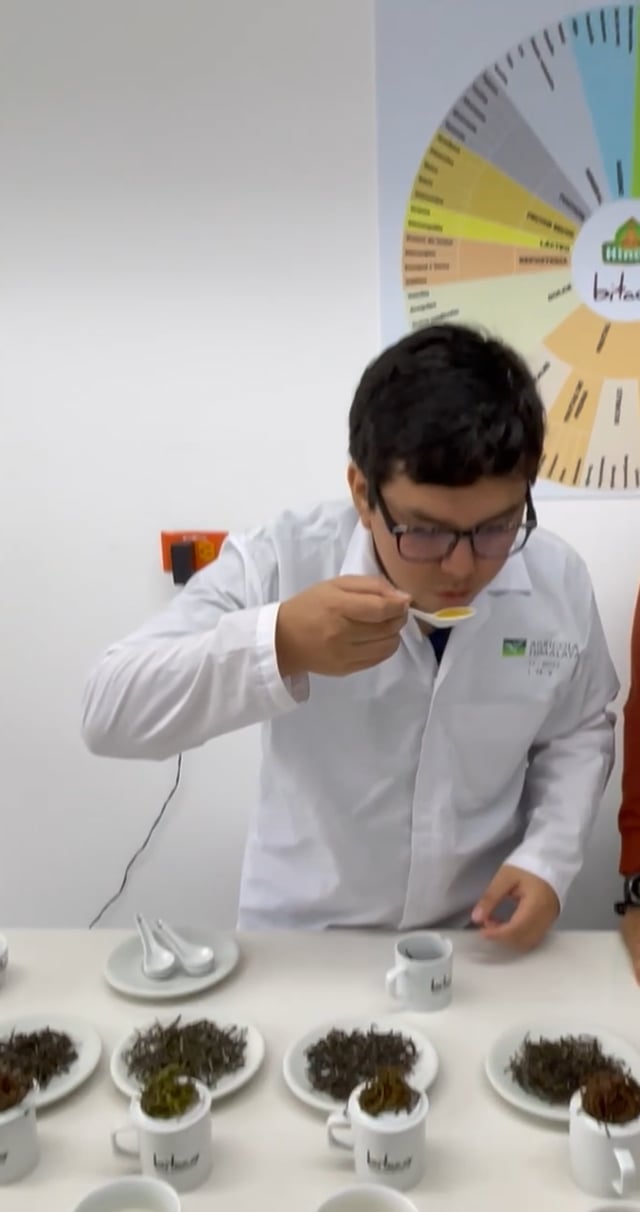
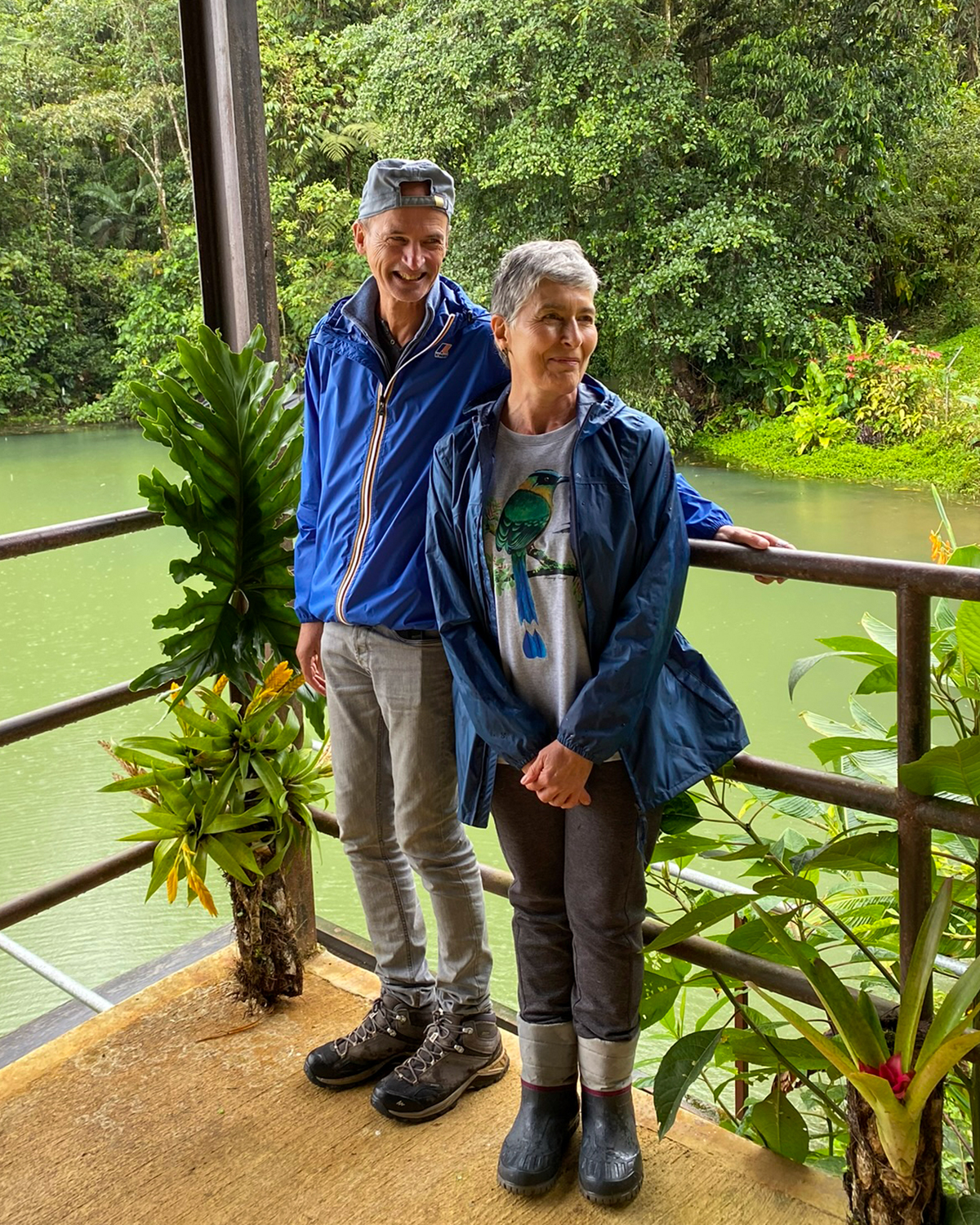
Bitaco is the only tea plantation in Colombia. Not only is it working to produce more and more exciting teas, it is also certified organic and is run by people who are passionate about tea. Carlota is one of the owners. She is in charge of the Foundation. Her interests include horticulture, ornithology and anything else related to her amazing Andean estate. Every day she tends the tree ferns, dozens of species of rare orchids, water lilies, arums and anthuriums in the botanical garden that she herself created. Then there’s Claudio, who makes and tastes new teas every day and has a voracious appetite for knowledge. Colombian tea has a bright future.
South America, another continent for tea
It took me a long time to decide to go to South America. For ages I equated tea with Asia. After all, it is where tea originated, and China and Japan have a history with the plant that goes back more than a thousand years. Then came Africa, an interesting discovery. There is a considerable volume of tea produced on the continent, but if you take the time to look, you can find some remarkable gardens that are well worth the effort. And so to South America. A new challenge. Colombia then Peru. What a surprise to discover such beautiful gardens run by passionate people having a go at making different types of tea: white, green, black, oolong. Then there’s the warm welcome, the joy, and producers’ delight when they realise they might soon be recognised for what they’re doing. On top of that, the farming practices here are remarkable, and tea gardens have not delayed in getting organic certification.